Phu Quoc has Sao Beach. Con Dao has old-growth forest and sea turtles that come ashore to lay eggs at night. Ly Son has a million-year-old volcano and a basalt arch that frames the sea like a painting.
And all three islands have prisons.
This is not a coincidence.
Why Always an Island
The French didn't choose islands for the scenery. They chose islands because islands are perfect natural prisons - no high walls needed, no large garrisons required, nowhere to swim to. The sea does all the work.
This logic wasn't unique to Vietnam. Alcatraz in the United States. Devil's Island off the coast of French Guiana. Robben Island in South Africa - where Nelson Mandela spent 18 years. Same calculation, different oceans: isolate with water, not concrete.
The French repeatedly applied this logic along Vietnam's coastline. Three islands, three prisons, stretching from south to north.
| Con Dao | Phu Quoc | Ly Son | |
|---|---|---|---|
| Established | 1862 | 1946 | 1898 |
| Built by | French | French | French |
| Peak capacity | ~10,000 | ~40,000 | Local cells |
| Infamous for | Concrete tiger cages | Barbed wire cages | Stone cells beneath lighthouse |
| Today | Sea turtle sanctuary | Resort island | Volcanic island |
Con Dao - Trying to Time-Travel Inside a Tiger Cage
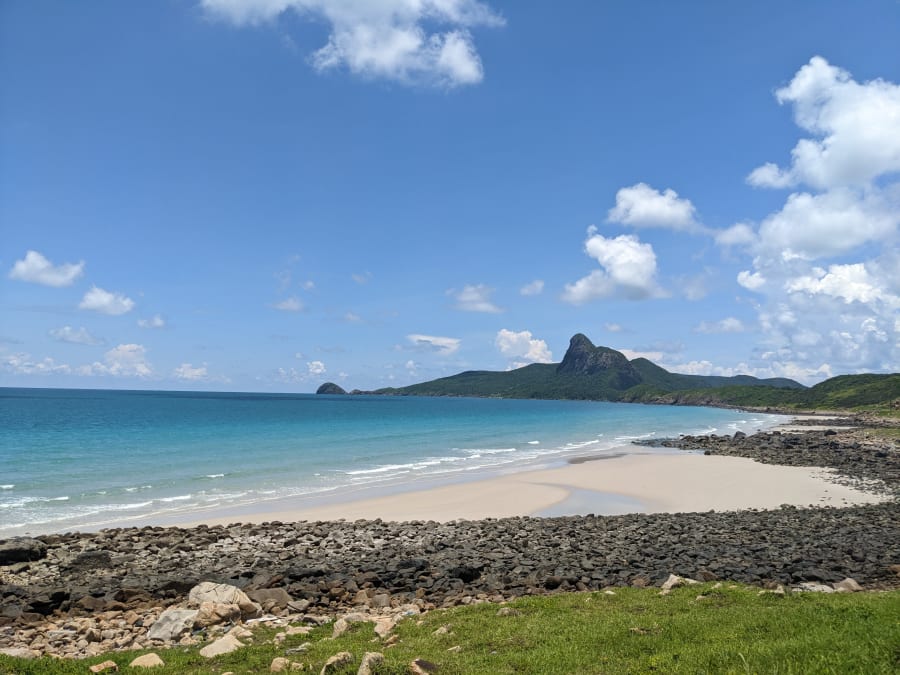
I arrived on Con Dao on September 2nd, 2023 - Vietnam's National Day.
It had just rained. The air inside the prison was cool and still in the way that makes you feel like you're trespassing on someone else's space.
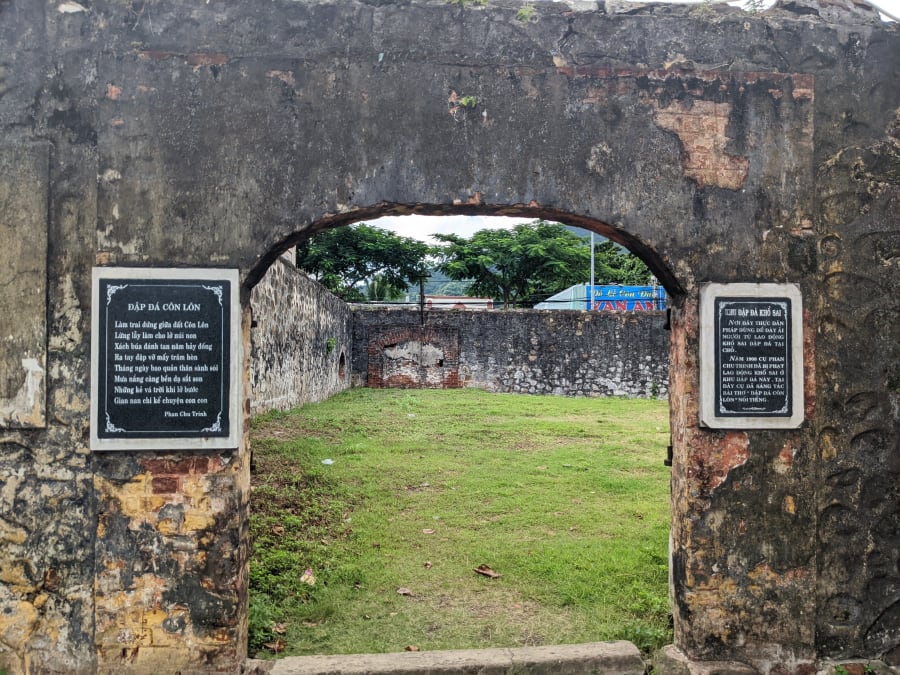
I wasn't really listening to the tour guide - or more accurately, I was half-listening while trying to do something else entirely: time-travel.
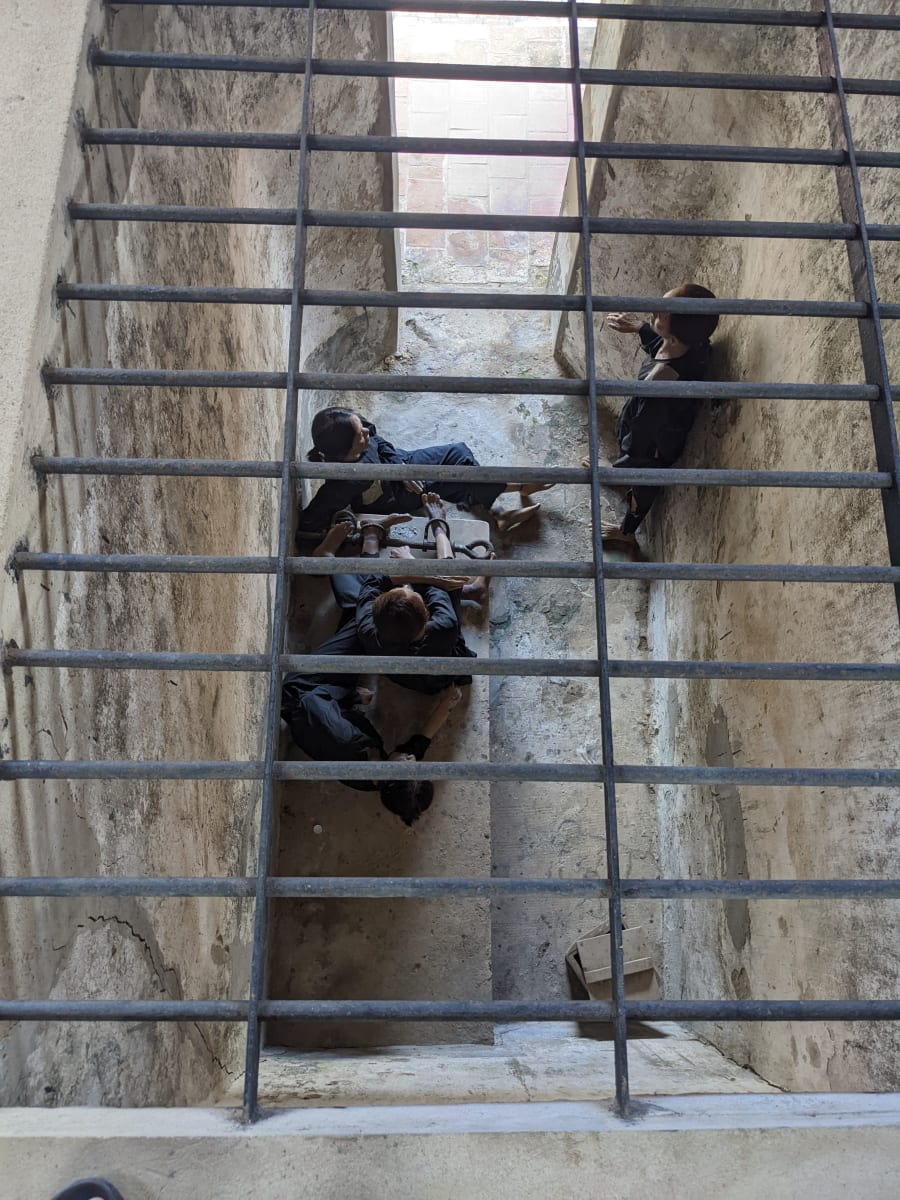
Not metaphorically. I stood inside the tiger cage block, closed my eyes, and tried to escape the cool quiet of 2023 - to slip into a different reality. The cramped, suffocating heat. The smell of mold and unwashed bodies. Each labored breath pushed into the face of whoever was pressed against you. The silence that wasn't peaceful but depleted - not the absence of screaming, but what comes after it. Darkness in the middle of the day.
It felt like being Toru in Murakami's The Wind-Up Bird Chronicle - sitting at the bottom of a dry well in complete darkness, waiting long enough to slip into someone else's reality. Toru doesn't choose what he sees down there. He just sits still long enough in the dark until another world surfaces on its own.
I didn't sit still long enough.
My well wasn't deep enough - because I knew I could step out at any moment, back into the light, back to the sea breeze, back to the seafood dinner waiting that evening. The people who were held here didn't have that option. That gap between me and them was one I couldn't cross, no matter how hard I tried.
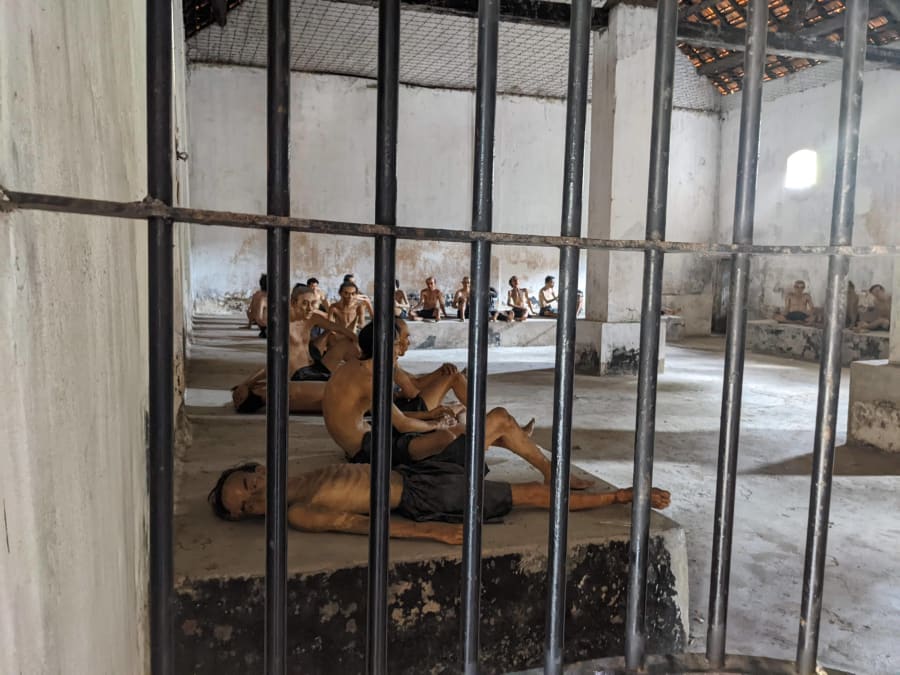
A few numbers to understand the scale:
Con Dao - known as Poulo Condore under French colonial rule - began receiving prisoners in 1862. By the early 1970s, the prison population had reached 10,000 people on a small island. Nearly every senior revolutionary leader in Vietnam, with the exception of Ho Chi Minh, was imprisoned here at some point.
The tiger cages are what made Con Dao infamous internationally. Small concrete pens, open-roofed so guards could stand above and pour lime powder down onto the prisoners below. When two American journalists photographed the tiger cages in 1970 and published the images in Life Magazine, the pictures became some of the most disturbing of the entire war - not battlefield photographs, but photographs of a concrete box.
Today, Con Dao is a tourist destination with some of the most beautiful beaches in southern Vietnam and sea turtles that nest on shore at night. The prison is still there, a short walk from the waterfront.
After visiting, go to Hang Duong Cemetery in the evening when locals come to light incense. It's a different kind of quiet than the prison.
Phu Quoc - The Largest Prison Camp in Southeast Asia That Most Tourists Drive Past Without Knowing
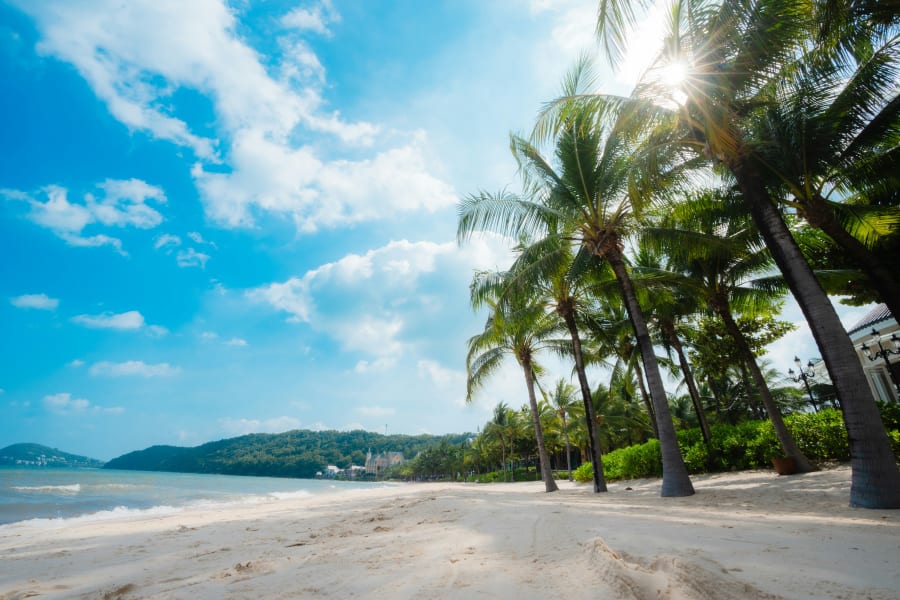
I've been to Phu Quoc several times. I knew Coconut Tree Prison existed.
I never went inside.
Not because I didn't have time. But because every trip followed the same script: Sao Beach, grilled seafood, sunset. The prison sits at the far southern end of the island, 28 kilometers from Duong Dong, and nobody in the group ever suggested going.
I think that's the answer to why most tourists don't know this prison exists - not because the information is hidden, but because Phu Quoc has been packaged so completely as a resort island that the mind automatically filters out anything that doesn't fit that image.
Meanwhile, at the other end of the island, this is what actually exists:
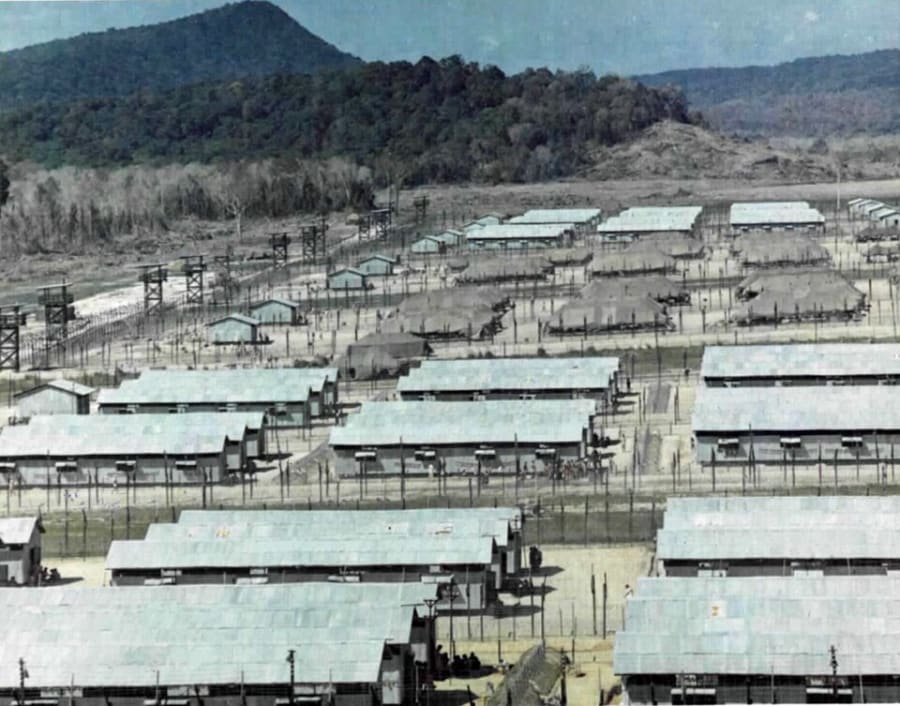
Coconut Tree Prison was built by the French in 1946. But it was the subsequent regime that turned it into something else entirely. By 1967, it had expanded to 400 hectares - once the largest prison camp in Southeast Asia, holding up to 40,000 prisoners. The French weaponized the geography. The later regime weaponized the infrastructure.
The name "Coconut Tree Prison" isn't poetic. The prison was built in a coconut grove. The trees are still there.
I'll go inside on my next trip. Not out of obligation. But because standing at the gates of Con Dao taught me that places like this aren't really about history - they're about trying, even once, to stand close enough to imagine.
Ly Son - The Volcano Island and the One Thing the French Were Best At
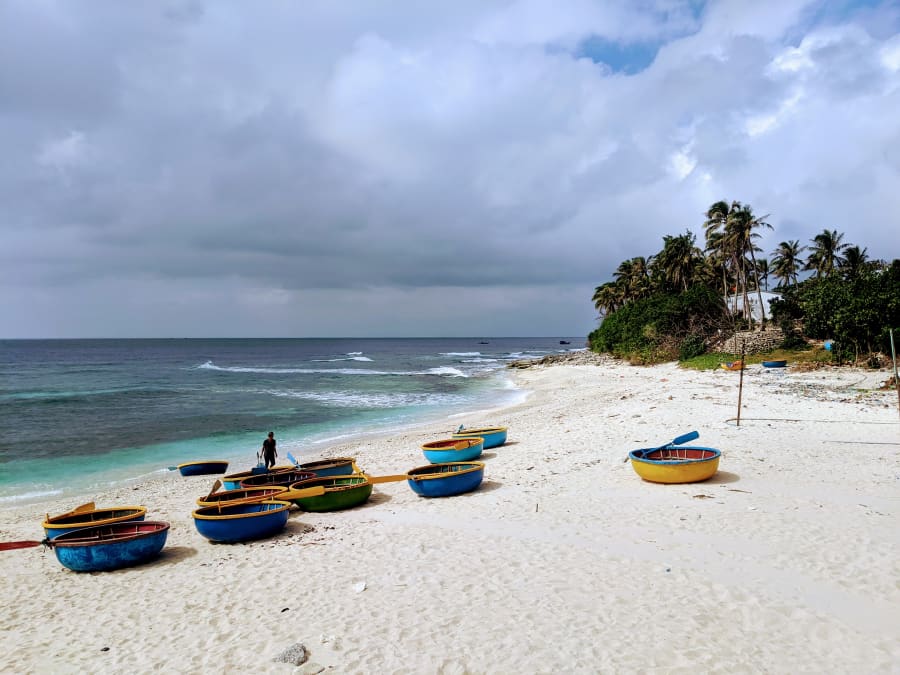
I came to Ly Son in January 2020.
The agenda: a million-year-old volcano, a basalt sea arch, Ly Son garlic, a pagoda built inside a cave. The things that nobody who comes to Ly Son skips.
And then I walked past a sign.
Provincial Historical and Cultural Relic: Nha Pha Relic Site.
I stopped and read it. Nha Pha - derived from the French le phare, meaning lighthouse - a term that in Vietnamese came to refer both to the beacon above and, for those who knew what happened beneath it, to the stone holding cells where members of the local revolutionary cell were imprisoned and tortured. The sign listed their names: Le Lua, Vo Ke, Tran Qui, Bui Tuy, Le Thien.
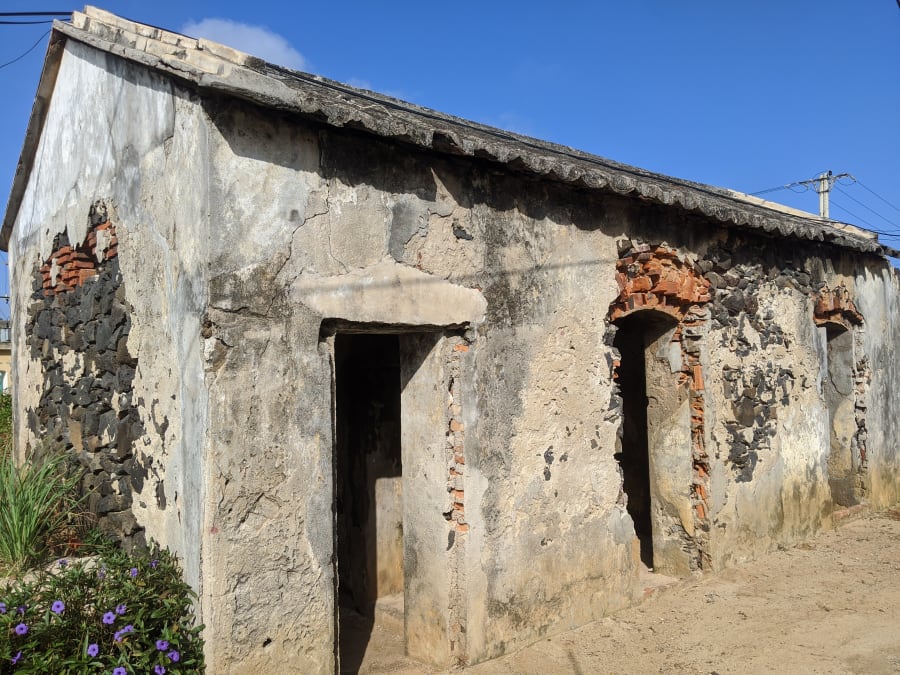
I finished reading, looked up at the lighthouse, then out at the sea.
And thought: Oh. Another prison.
Not because I was indifferent. But because in that moment I realized this was no longer a coincidence - Con Dao, Phu Quoc, and now Ly Son. The same pattern, the same logic, running the length of Vietnam's coastline.
I still don't understand why the French made the effort - the long crossings, the logistics of building on remote islands - only to arrive somewhere extraordinary and immediately get to work on the one thing they were best at.
They could have stood under that basalt arch and watched the waves break against the rocks. They could have climbed to the crater rim and looked out over the sea.
Instead they built a prison.
I don't know what the French thought when they chose the most beautiful islands in Vietnam to build their prisons. Maybe they didn't notice the beauty. Maybe to them, an island was just an island - far from the mainland, difficult to escape from, easy to control.
But I stood on Ly Son, looking out at that blue water surrounding the island on every side, and thought: they chose the most beautiful places. And saw none of it.
These are active historical sites, not theme parks. Dress modestly, speak quietly, and read what's on the signs - the names listed there are real people.
Con Dao - Phu Hai Prison Nguyen Hue Street, Con Dao Town. Open 7:30-11:30 and 13:30-17:00. Entrance fee approximately 40,000 VND. After visiting, go to Hang Duong Cemetery in the evening when locals come to light incense.
Phu Quoc - Coconut Tree Prison 350 Nguyen Van Cu Street, An Thoi, Phu Quoc. 28km south of Duong Dong - in the same direction as Sao Beach and Khem Beach, easy to combine into one trip. Open 7:30-11:00 and 13:30-17:00 daily. Free entrance.
Ly Son - Nha Pha Relic Site Thon Dong Village, An Hai Commune, Ly Son Island. Follow the lighthouse - at 45 meters it's visible from most of the island. The view from the top over the whole island is worth the climb.