Overview
Things to Know
Gallery



About This Place
What Makes Bãi Môn Beach Special
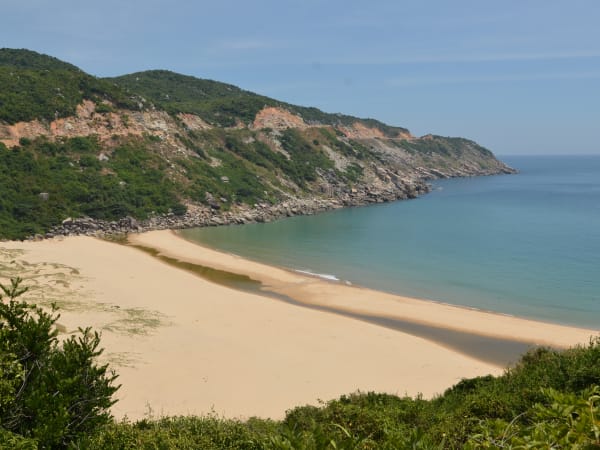
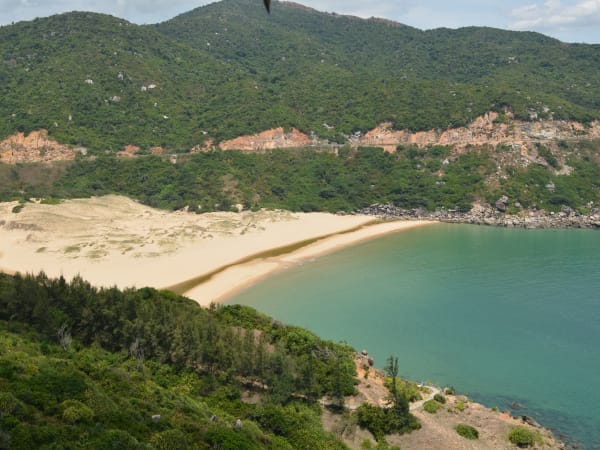
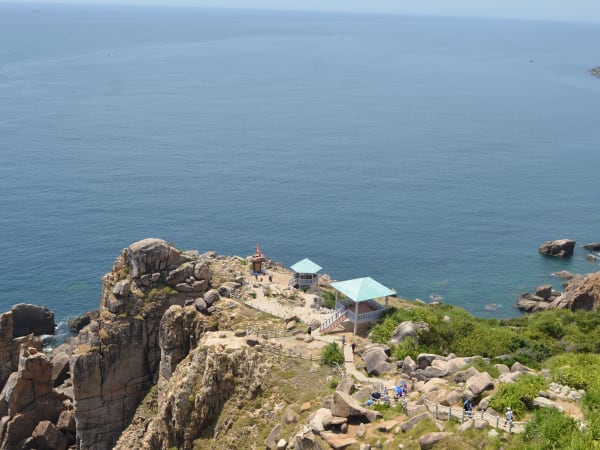
Bãi Môn is a 400-metre crescent beach nestled between two headlands on the Phú Yên coast - Mũi Nạy to the north and Mũi Điện to the south. The beach sits at sea level beneath the Mũi Điện lighthouse, accessible on foot via a trail from the lighthouse road or by a path descending directly from the lighthouse compound. The western side is backed by primary forest from which a freshwater stream flows year-round across the sand and into the sea. The water is clear and the sand relatively clean - no permanent development, no restaurants, and on most weekdays very few people. The beach's main claim is its position: Mũi Điện is traditionally regarded as one of the first places on mainland Vietnam to receive the sunrise each morning - a title also claimed by Mũi Đôi in Khánh Hòa, with the debate unresolved. What isn't debated is that the light clearing the horizon directly in front of this beach at dawn is genuinely theatrical. Combined with a Mũi Điện lighthouse visit and an overnight camp, Bãi Môn becomes one of the more memorable stops on the central Vietnam coast.
How to Get There
Getting There
Bãi Môn is reached from Đại Lãnh beach village on Highway 1, approximately 60km north of Nha Trang and 40km south of Tuy Hòa. From Đại Lãnh, follow the road north toward Mũi Điện for 8km to the lighthouse road. The trail to Bãi Môn descends from near the lighthouse in about 20 minutes. If visiting Mũi Điện lighthouse first, a path leads directly down from the lighthouse compound to the beach - look for the trail signs. Entrance fee: 30,000 VND. No public transport to the trailhead - motorbike from Đại Lãnh is the standard approach.
What to Expect
On the Ground
A sheltered crescent of white sand about 400 metres long, backed by coastal scrub and primary forest. Rocky outcrops at both headland ends. A freshwater stream crosses the beach - it runs year-round from the forest on the western slope. The beach slopes steeply into deeper water; local residents warn about rip currents - swimming is possible but stay close to shore. No shade on the main sand; some tree cover at the far left end. No facilities beyond basic toilets. The best light is early morning when the sun rises directly in front of the beach. The first view of the cove as the trail breaks through the vegetation - white sand, turquoise water, headlands on both sides - is one of the better arrival moments on the central coast.
Travel Tips
Tips
Bãi Môn is worth a 7/10 as a standalone beach visit. It becomes significantly better combined with the Mũi Điện lighthouse (views from 110m above) and an overnight camp - the sunrise from the sand before any day visitors arrive is the experience that justifies the trip. For camping: bring a tent and food from Đại Lãnh, the freshwater stream handles water needs. Leave by motorbike from Đại Lãnh at 4:30 AM to arrive before sunrise. Mũi Điện and Bãi Môn together make a natural half-day stop on a Nha Trang to Quy Nhơn coastal motorbike route.
Insider Tips
Based on real traveler experiences and commonly mentioned advice from multiple visitors.
FAQ
Common questions from travelers who've visited this place.
Can I swim at Bãi Môn?›
What is the entrance fee?›
How do I get to Bãi Môn from Mũi Điện lighthouse?›
Is camping allowed at Bãi Môn?›
Is Bãi Môn worth visiting on its own?›
Nearby Locations
Explore more things to do like this around Vietnam