Overview
Things to Know
Gallery




About This Place
What Makes Kê Gà Lighthouse Special
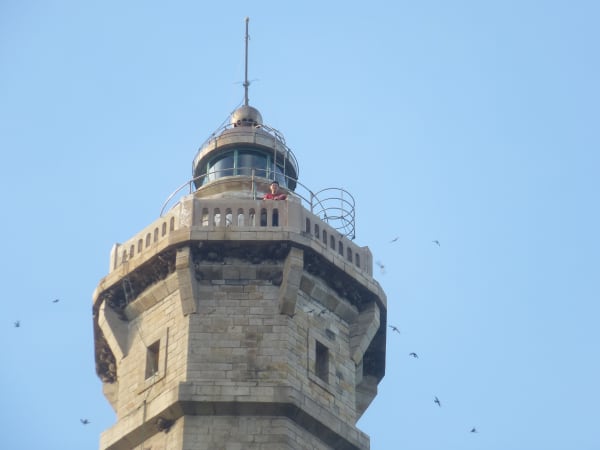
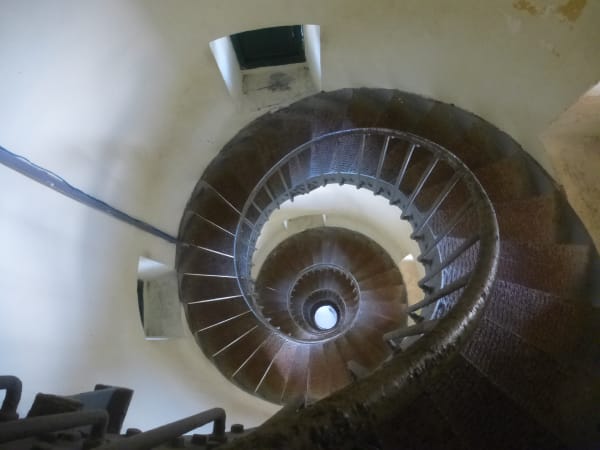
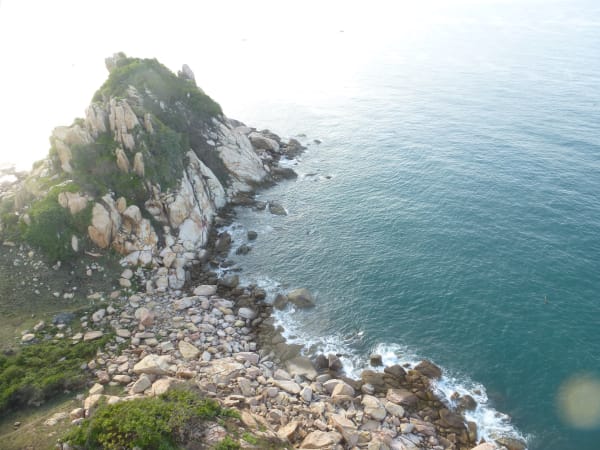
Kê Gà Lighthouse stands on a small granite islet a few hundred metres off the Bình Thuận coast. The waters here were once notorious for dangerous underwater reefs that wrecked or damaged many passing ships, prompting French colonial authorities to survey the area and build a lighthouse to guide vessels safely through - designed by French engineer Chnavat, construction began in February 1897, and the lighthouse became operational in 1899. At over 125 years old it is the oldest standing lighthouse in Vietnam, and - at 35 metres tall (65 metres above sea level, roughly equivalent to a 12-storey building) - it's also recognised as the country's tallest. The French-era granite tower, built without mortar from interlocking carved blocks shipped over from France, sits in marked contrast to the granite boulders and scrub vegetation of the islet around it. Climbing the roughly 183 spiral steps to the top has traditionally been free and open to visitors - the interior is narrow (under 3 metres across, narrowing further near the top), so a little dizziness isn't unusual - taking in the view through small windows along the way before reaching a 360-degree lookout at the summit. Access to the top isn't always guaranteed, though: heritage preservation rules and border-security oversight mean it can sometimes require permission from the border guard post or lighthouse station on the day, so treat the climb as likely but not certain. The lighthouse is reached by a short boat crossing from the mainland beach at Tân Thành, making it one of the more accessible island landmarks on the south-central coast; in March, when the tide runs unusually low, it's sometimes possible to walk across the exposed reef to the island without a boat at all, a distinctive and little-known way to make the crossing. The surrounding water is clear enough for snorkeling and the islet itself is walkable in 20 minutes - the combination of colonial architecture, coastal scenery, and the short boat adventure makes Kê Gà a compact but rewarding stop.
How to Get There
Getting There
Kê Gà is located in Tân Thành commune, Hàm Thuận Nam district, approximately 30km south of Phan Thiết and 40km from Mũi Né. By motorbike from Mũi Né, follow the coastal road south past Hàm Tiến - the journey takes about 45 minutes. From Phan Thiết city, the drive is around 30 minutes south on Highway 1A then coastal road. The mainland beach at Tân Thành village is the embarkation point; small wooden boats make the short crossing to the islet on demand throughout operating hours.
What to Expect
On the Ground
The boat lands on a concrete pier at the base of the islet. A path leads up through granite boulders to the lighthouse compound. The tower has traditionally been open to visitors - the climb to the top involves a narrow spiral staircase of around 183 steps and gives a 360-degree view over the coast on a clear day, and it's a genuine climb rather than a token gesture. Access can sometimes be limited or require on-the-spot permission from border guard or station staff, tied to heritage preservation and security rules, so ask when you arrive rather than assuming the top is open. The keeper's quarters and outbuildings are intact and the overall compound is well-maintained. The rocky shoreline of the islet descends directly into clear water. The crossing itself is enjoyable - the islet looks picturesque from the mainland beach and the approach by boat gives a different perspective on the lighthouse.
Travel Tips
Tips
Kê Gà works best as part of a broader Bình Thuận coastal itinerary - the lighthouse visit, including the climb if it's open on the day, takes 1-2 hours and the mainland beach at Tân Thành is pleasant for swimming afterward. The Bình Thuận coast between Kê Gà and Mũi Né has several underdeveloped beaches and fishing villages that reward slow travel by motorbike along the coastal road. For travellers based in Mũi Né who have exhausted the standard sand dunes and fishing village circuit, Kê Gà provides a half-day excursion with a different character - colonial history, a possible climb, and a boat trip rather than beach activities. Sunrise and sunset are both popular times to visit for photography, with golden light over the water and fishing boats.
Insider Tips
Based on real traveler experiences and commonly mentioned advice from multiple visitors.
FAQ
Common questions from travelers who've visited this place.
Can I climb inside the lighthouse?›
How much does a boat ride cost?›
How long does the boat journey take?›
Nearby Locations
Explore more things to do like this around Vietnam