Menu
Destinations→Locations→Blog→Map→About→
Waterfall · Forest

Yavly Waterfall

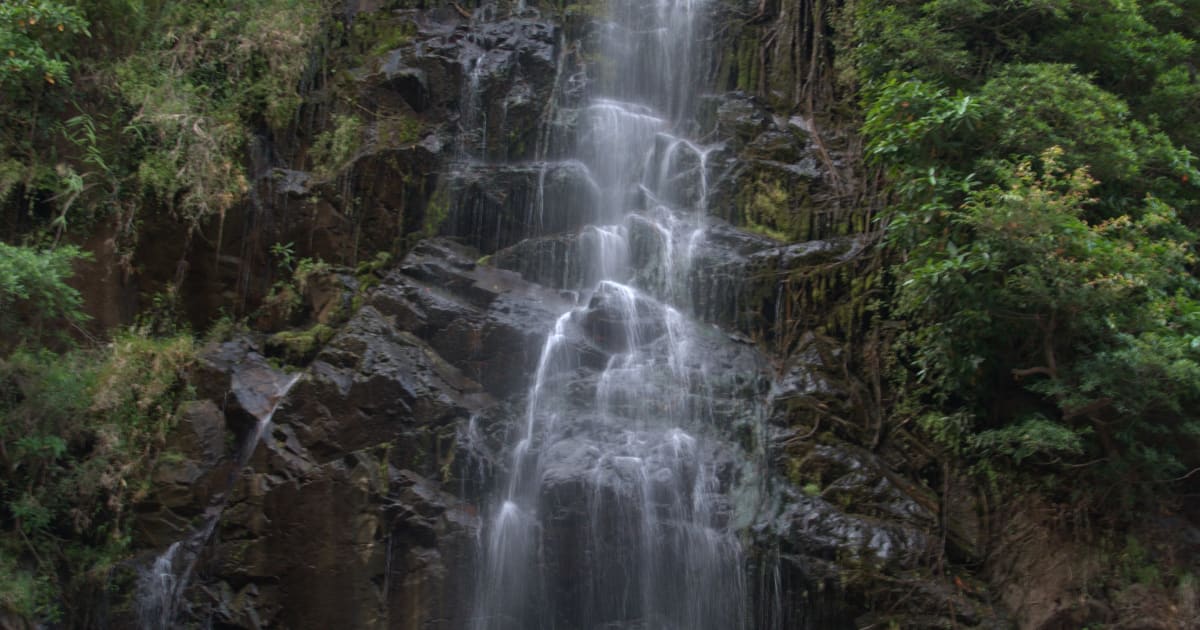
Yavly Waterfall - also known as Thác Cặp (Paired Falls) or locally Thác Bay (Flying Falls) - is a roughly 100m cascade deep in the Tà Hoàng gorge along the Tà Năng - Phan Dũng trekking route, one of the most celebrated multi-day wilderness treks in southern Vietnam. Now developed enough for basic tourism, including abseiling, it can be visited as a quick stop on the through-trek or as the highlight of a 2-day, 1-night camping trip.

Tà Năng Waterfall · Multi-day Trek · Abseiling

Yavly Waterfall
Best months

Nov - Apr (dry season; trails are manageable and stream crossings safe - avoid rainy season when the Tà Năng route becomes dangerously flooded)

Entry fee
Free
Opening hours
Trek typically starts at dawn; overnight camping required for the full multi-day itinerary, though a quick stop is possible for those passing through on the Tà Năng - Phan Dũng route
Address
Tà Hoàng, Phan Dũng, Tuy Phong, Bình Thuận
Difficulty
A challenging trek requiring an experienced guide. Rocky terrain with slippery stones, especially dangerous during rainy season. Multiple stream crossings required. Getting lost is possible without markings.
Safety
Rocks become slippery and extremely dangerous during heavy rain. Cold water temperature requires caution. In dry season, water sources along some sections can run scarce, so plan carefully if getting turned around. Scout your campsite location before descending to the stream.
Accessibility
Accessible via two directions: descending from Tà Năng (Lâm Đồng), or ascending from Phan Dũng (Tuy Phong, Bình Thuận), where a motorbike covers part of the approach before a final stretch on foot. Not suitable for those without trekking experience.
Seasonal
Best in the dry season (roughly December-April) for water clarity and camping. Rainy season (May-November) brings landslide and flash flood risk along the route.

What Makes Yavly Waterfall Special

Yavly Waterfall lies in the Tà Hoàng gorge, in the forest interior of the Tà Năng - Phan Dũng trekking corridor, one of the most celebrated wilderness routes in southern Vietnam. Also known as Thác Cặp (Paired Falls, since two small mountain streams meet right at its head) and, colloquially among locals, Thác Bay (Flying Falls, for the fine mist that drifts widely from its spray), the waterfall drops an estimated 100 metres and runs with water year-round, in both dry and rainy seasons.

The route crosses the boundary between Lâm Đồng and Bình Thuận provinces through a landscape that transitions from open highland grasslands on the Tà Năng plateau to dense lowland forest as the trail descends toward Phan Dũng.

Yavly sits in the forest section of this descent - a cascade falling through a gap in the canopy into a clear pool, surrounded by the kind of primary forest that has survived precisely because the terrain is too remote and steep for agricultural clearing. The site has picked up more tourism development in recent years, including an abseiling service at the falls, though it remains fundamentally a wilderness destination reached on foot rather than a roadside attraction.

How to Get to Yavly Waterfall

The Tà Năng - Phan Dũng route is typically started from the Tà Năng end in Lâm Đồng province, accessible from Đà Lạt (approximately 80km, 2 hours by motorbike) or with Phan Thiết on the Bình Thuận coast as the exit point (approximately 100km from Phan Dũng village). From the Phan Dũng side specifically, reaching Yavly takes over two hours by motorbike from the commune centre, crossing 11 streams of varying size along a rocky forest road - though the motorbike only covers about 14km of the distance, with the final 3km on foot along a rough, rocky forest trail.

Most organised groups arrange transport to the Tà Năng trailhead and pickup at Phan Dũng at the end. Yavly Waterfall is encountered roughly in the middle section of the route - typically on the second day of a standard 2-day itinerary or the second morning of a 3-day itinerary, though it's also reachable as a shorter out-and-back trip from the Phan Dũng side for those not doing the full crossing.

What to Expect at Yavly Waterfall

The Tà Năng - Phan Dũng route begins on open highland plateau with sweeping grassland views before descending into progressively denser forest. The trail crosses streams multiple times - the number and depth of crossings depends on recent rainfall.

Yavly appears in the forest section after the route has dropped significantly in elevation - the canopy closes in, the air cools, and the sound of falling water becomes audible before the fall comes into view, with mist visible drifting through the forest on approach. The pool beneath is clear and deep enough for swimming. Campsites near the waterfall are used by organised groups and are the most scenic overnight stops on the route.

An abseiling service is now available at the falls for those who want to add a more active element beyond swimming and photos. The full route exit at Phan Dũng takes another half to full day of walking after leaving the Yavly area for those doing the complete crossing.

Travel Tips for Yavly Waterfall

The Tà Năng - Phan Dũng route has developed a strong following among trekking enthusiasts from Ho Chi Minh City and is widely considered the best multi-day wilderness walk accessible from the south. The combination of terrain variety - open grassland, primary forest, stream crossings, waterfall camps - compressed into 2-3 days makes it a more diverse experience than single-environment treks.

Yavly is the emotional high point of the route for most trekkers - the camp near the waterfall is where groups typically spend their most sociable evening of the trek.

If you don't have time for the full multi-day crossing, a shorter out-and-back visit from the Phan Dũng side is possible, taking a fraction of the time, though you'll still need the motorbike-plus-walking approach described above. Booking through a reputable operator based in Ho Chi Minh City or Đà Lạt handles the permits, guide, and logistics; independent trekking is possible but requires solid navigation skills and knowledge of the seasonal conditions.

Based on real traveler experiences and commonly mentioned advice from multiple visitors.

  • Hire an experienced guide to navigate multiple trail forks; painted arrows and machete-cut markers help, but getting lost is still a real risk
  • Plan your campsite location before descending to the stream - climbing back up is difficult once you're committed to the lower areas
  • Bring proper footwear for slippery rocks, and exercise extreme caution when rocks are wet from rain
  • Time needed: 30 minutes to 1 hour if just passing through as a stop on the Tà Năng - Phan Dũng trek, or 2 days/1 night if camping overnight at the falls as the main goal
  • Yavly has picked up more tourism infrastructure recently, including an abseiling (rappelling) service at the falls - worth asking about if you want more than just a swim
  • The waterfall also goes by two other names: Thác Cặp ('Paired Falls', since two small streams converge right at the top) and, informally among locals, Thác Bay ('Flying Falls', for the fine spray that drifts over a wide area)
  • From the Phan Dũng side, it's over 2 hours by motorbike from the commune centre, crossing 11 streams of various sizes - though the bike only covers about 14km of this; the final 3km is on foot along a rocky forest trail
  • Go with an experienced guide or organised group - the trail crosses multiple streams and the forest navigation is not trivial; several trekkers have needed rescue on this route in rainy season
  • Pack light but pack right - a waterproof bag liner is essential, proper trekking boots are non-negotiable, and a lightweight tent or hammock with rain fly covers the overnight sections. Bring insect repellent, sunscreen, basic first aid (bandages, antiseptic, fever medication), and expect unstable phone signal throughout
  • The waterfall pool is swimmable and the water is clean - after a full day of trekking through the heat of the open grassland sections, arriving at Yavly for a swim is one of those moments the route is famous for. The falls run with water year-round, in both dry and rainy season
  • Water sources along the route are generally clean but bring a filter or purification tablets as a backup - stream crossings increase in number and depth the further into the route you go

Common questions from travelers who've visited this place.

When is the best time to visit Thác Yavly?
Roughly December to April (dry season) offers clear water and better camping conditions. Rainy season brings heavier water flow but dangerously slippery conditions and flash-flood risk.
Can I reach the waterfall without a guide?
It's difficult without experience - there are multiple unmarked trail forks, navigated using painted arrows, tree cuts, or GPS. An experienced guide is strongly recommended.
Do I have to do the full multi-day trek to see Yavly?
No - while most trekkers reach it as part of a 2-3 day Tà Năng-Phan Dũng crossing (staying 2 days/1 night camping at or near the falls), it's also possible to visit as a shorter out-and-back trip from the Phan Dũng side, taking as little as 30 minutes to an hour once you're at the falls, plus the approach time by motorbike and on foot.

Explore more things to do like this around Vietnam