
Locations in Lai Châu · 10 found
Chung Nhia Vu Mountain
Chung Nhía Vũ is one of Vietnam's highest peaks at about 2,918 m on the Vietnam-China border in Lai Châu - usually climbed together with Po Ma Lung, through near-untouched forest with 50-metre trees, big clear streams and bamboo groves along the border line.
Khang Su Van Mountain
Khang Su Van (Phàn Liên San) is one of Vietnam's highest peaks at about 3,012 m on the Vietnam-China border in Lai Châu - a steep trek through cardamom forest, ancient Shan tuyết tea trees and waterfalls to border marker 79, often called the highest border marker in Vietnam.
Ky Quan San Mountain
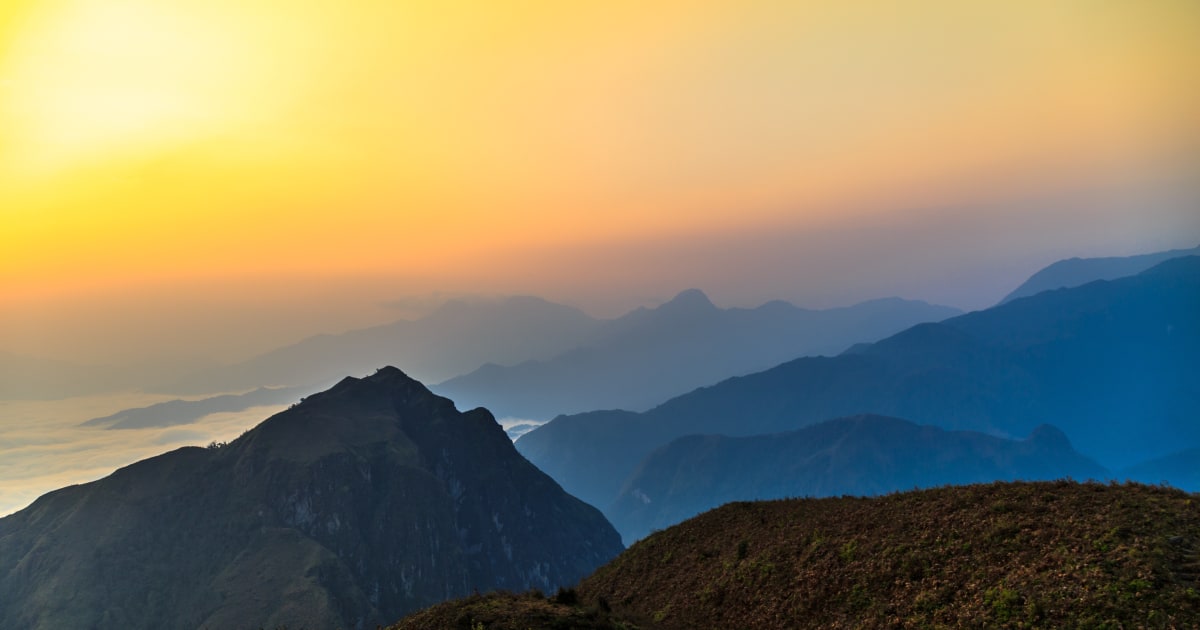
Ky Quan San (formerly Bạch Mộc Lương Tử) is one of Vietnam's highest peaks at about 3,046 m, on the Lào Cai-Lai Châu border - a 2-3 day trek through bamboo, moss and primeval forest to one of the country's most famous cloud-sea viewpoints at Núi Muối.
Nam Kang Ho Tao Mountain
Nam Kang Ho Tao (2,881 m) in Hoàng Liên National Park, on the Lai Châu - Lào Cai border, is often ranked among Vietnam's hardest treks - a 2-3 day route of steep stream-bed climbs, cliff faces with ropes and ladders, primeval forest and pơ mu wood huts.

Ngu Chi Son Mountain
Ngũ Chỉ Sơn (Five-Finger Mountain) is a 2,858 m peak on the Lào Cai-Lai Châu border near Sa Pa - a short but very steep trek up wooden ladders, rock scrambles and narrow ledges to five finger-like summits, often rated about 7/10 for difficulty.

O Quy Ho Pass
Ô Quy Hồ Pass is one of Vietnam's 'tứ đại đỉnh đèo' (four great passes) - the longest mountain pass in the northwest at 50km, crossing the Hoàng Liên Sơn range at 2,035m between Sapa and Lai Châu. Named after the mournful cry of a bird in a tragic love legend.
Po Ma Lung Mountain
Po Ma Lung is one of Vietnam's highest peaks at about 2,967 m on the Vietnam-China border in Lai Châu - widely rated one of the hardest treks in the country, with its infamous 3-hour slope, primeval forest, bamboo groves and streams, and a border permit required.
Pu Si Lung Mountain
Pu Si Lung is one of Vietnam's highest mountains, at roughly 3,076 m on the Vietnam-China border in Lai Châu province - often called the toughest high-peak trek in the country, through primeval forest to border marker 42, with a border-area permit required.
Pu Ta Leng Mountain
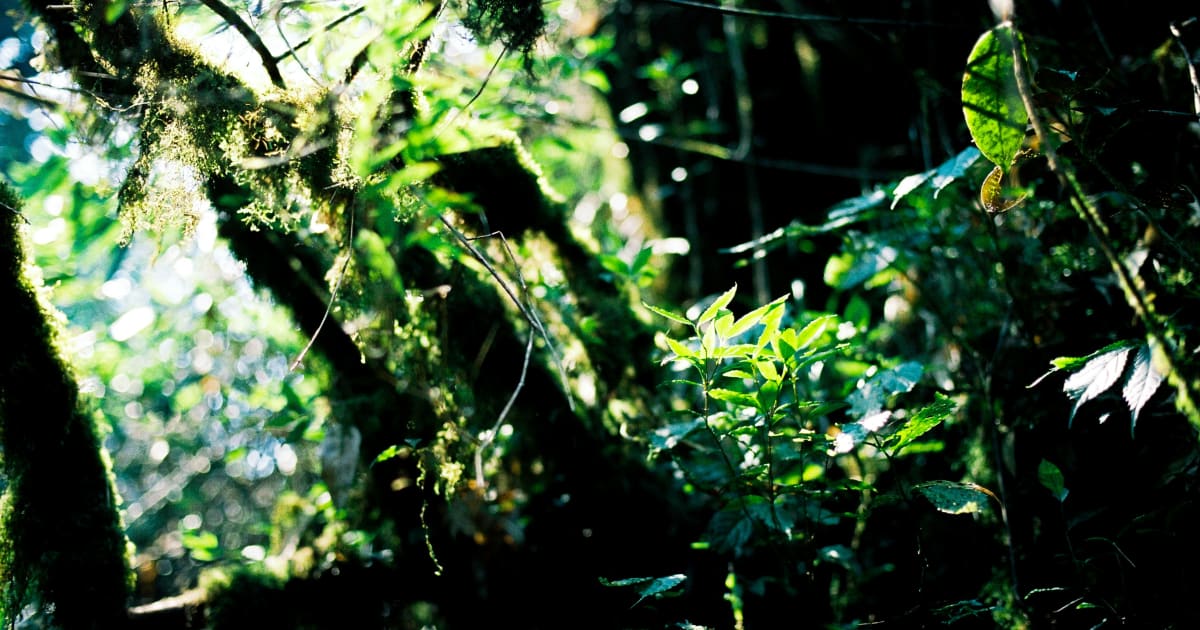
Pu Ta Leng is one of Vietnam's highest mountains, at about 3,049 m in the Hoàng Liên Sơn range in Lai Châu - a tough 2-3 day trek through primeval forest, mossy streams and bamboo cloud forest to ancient rhododendron groves that flower from February to April.
Ta Lien Son Mountain
Ta Lien Son (Cổ Trâu mountain) is one of Vietnam's highest peaks at about 2,996 m in the Hoàng Liên Sơn range, Lai Châu - a forest trek through moss-draped primeval woods, red maples, white camellias and rhododendrons, doable in a long day or 2 days 1 night.
Local Food You Must Try

Nộm rau dớn
Wild fiddlehead fern salad foraged from Lai Châu's mountain streams - the young curled fronds are blanched then tossed with sesame, garlic, chilli, and lime, with a slightly slimy texture and earthy mineral flavour that highland communities have eaten for centuries as both food and medicine

Lợn cắp nách
Tiny free-range highland pig carried under the arm to market - roasted whole over wood fire until the skin crackles, the meat is extraordinarily lean and clean-flavoured from foraging on roots and wild herbs in the mountains, a northwest highlands specialty prized above all other pork

Lam nhọ
Black sticky rice cooked in scorched bamboo tubes over open fire - the bamboo is intentionally charred until the outside blackens, infusing the rice with a deep smoky flavour and turning it an inky dark colour, a La Hủ and Mảng specialty eaten at highland festivals in Lai Châu's most remote valleys

Trứng kiến
Weaver ant eggs harvested from forest tree nests in spring - steamed with sticky rice, stir-fried with eggs and herbs, or eaten raw with salt, the eggs are creamy and slightly sour with a delicate protein richness, a seasonal highland delicacy available only for a few weeks when the ants breed

Thịt heo gác bếp
Pork strips dried and smoked above the hearth for weeks - seasoned with mắc khén pepper, wild ginger, and chilli then hung over the cooking fire until intensely smoky and chewy, a Thai and Mảng preservation technique producing a deeply flavoured meat eaten daily with sticky rice in highland homes

Cá bống vùi tro
Goby fish buried and roasted in hot ash from the hearth - the ash heat cooks the fish slowly from all sides, the skin chars while the flesh steams inside, seasoned only with salt and eaten with sticky rice, a La Hủ cooking technique that requires no utensils and produces remarkably tender fish

Xôi tím Lai Châu
Deep purple sticky rice coloured with cẩm leaves grown in highland gardens - steamed in bamboo baskets by Thai women and eaten with sesame salt and dried buffalo, the colour ranging from violet to near-black depending on the leaf concentration, a visual and culinary signature of Lai Châu's Thai communities