
Locations in Quang Ninh · 10 found

Bai Tu Long Bay
Bái Tử Long Bay - Ha Long's quieter neighbour to the northeast - shares the same UNESCO karst landscape with 600+ islands but far fewer cruise boats. Named for the legend of dragon children landing to protect Vietnam. Ha Long Bay the way it was before mass tourism.
Bình Liêu Border Mountains
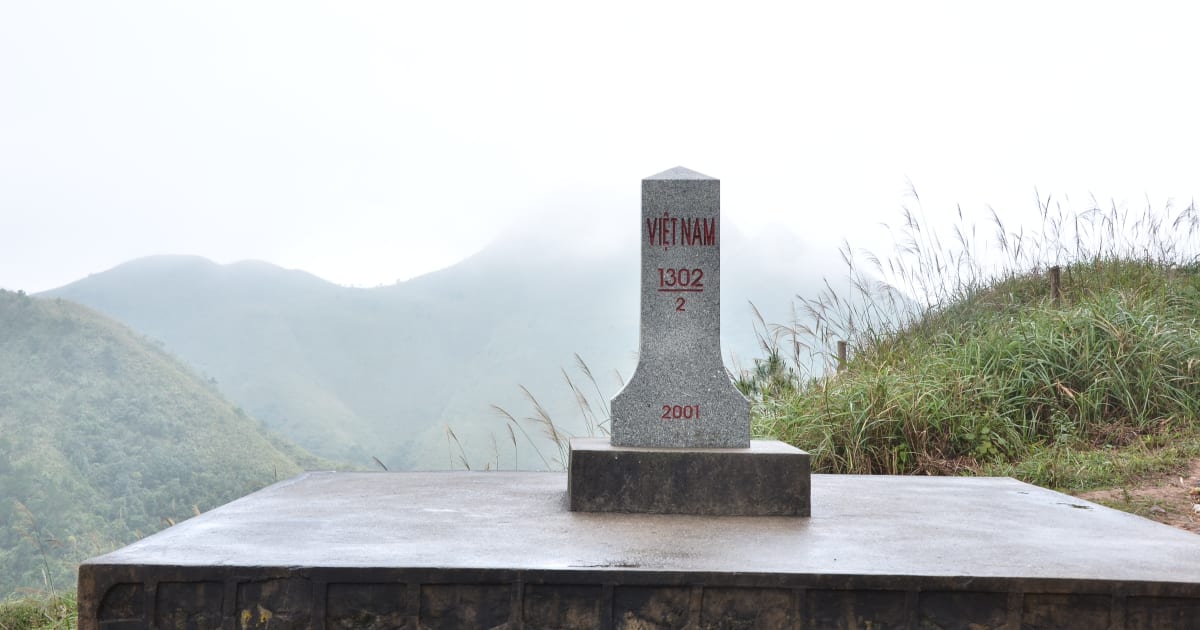
Bình Liêu in Quảng Ninh is often called a 'mini Sa Pa' - a highland border district with year-round mild climate, ethnic minority villages, and nearly 50km of frontier with China. The border ridge trek to Cột Mốc 1305 crosses the famous dinosaur spine ridge above a sea of reed flowers in October and November.
Cô Tô Island
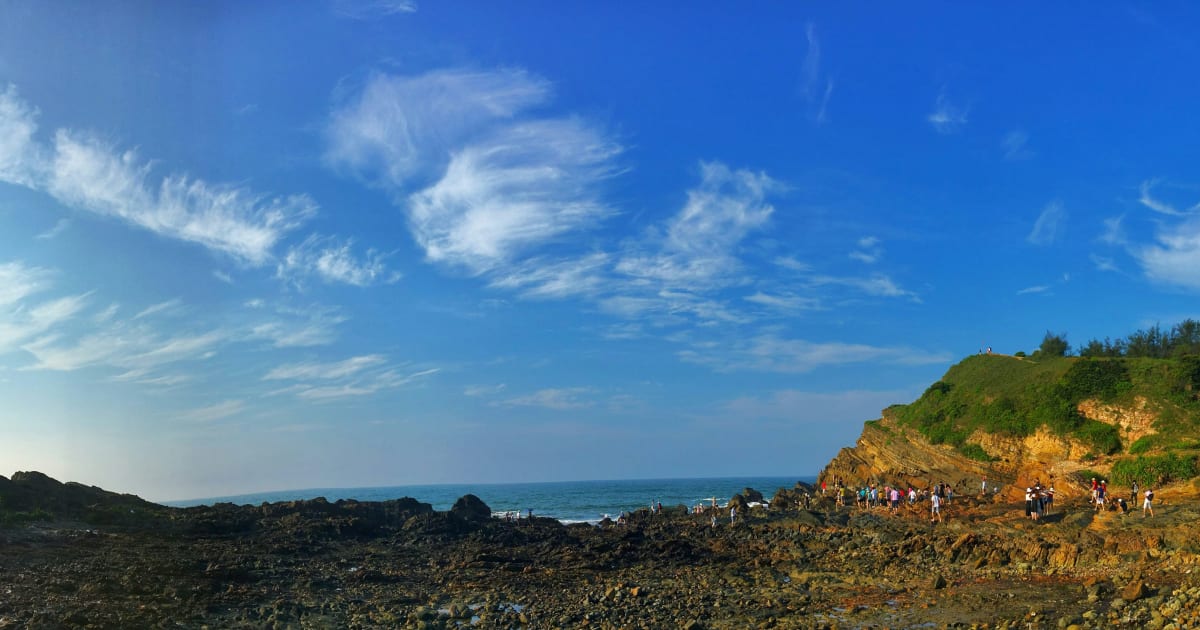
Cô Tô Island in Quảng Ninh province is one of northern Vietnam's most pristine island destinations - an archipelago of nearly 50 islands in the Gulf of Tonkin with white sand beaches, clear turquoise water, coral snorkeling, and an unhurried fishing village atmosphere far removed from the crowds of Hạ Long Bay. Accessible by fast catamaran ferry from Ao Tiên port in around 60-90 minutes.

Ha Long Bay
Ha Long Bay - Vietnam's most iconic landscape and a UNESCO World Heritage Site - is 1,553 square kilometres of emerald water, nearly 2,000 limestone karst islands, sea caves, and floating villages in the Gulf of Tonkin.

Khe Van Waterfall
Khe Van Waterfall in Binh Lieu, Quang Ninh is the largest waterfall in the province - a wild three-tier cascade dropping through dense forest in San Chi ethnic minority territory, 100km northeast of Ha Long and almost entirely off the foreign tourist trail.
Mũi Sa Vĩ (Trà Cổ)
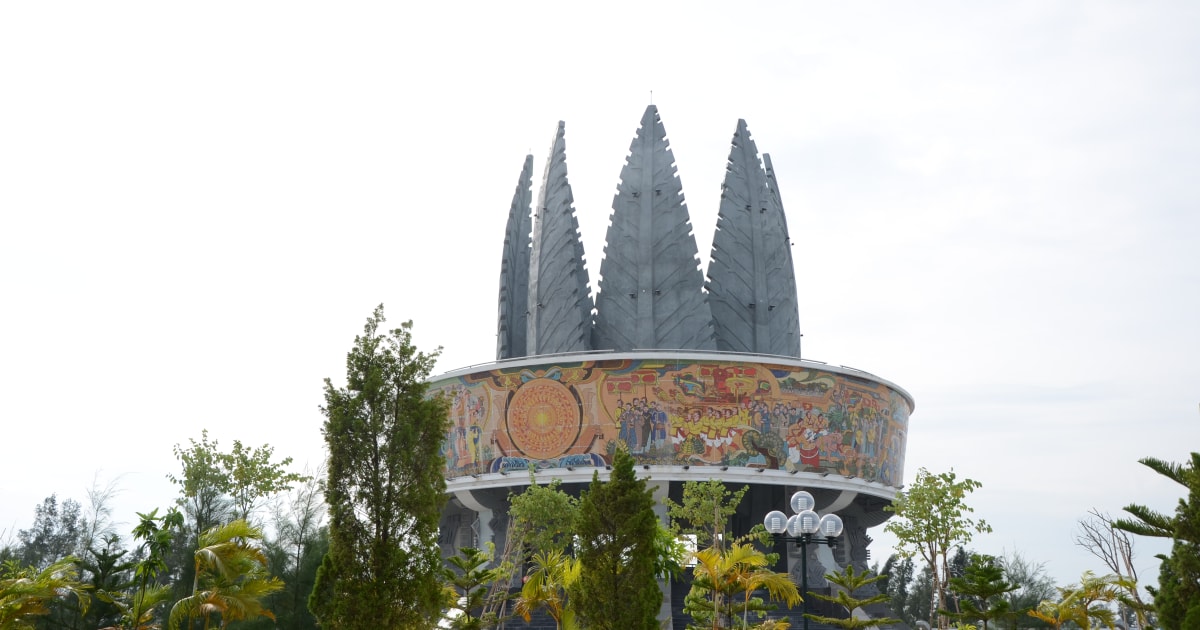
Mũi Sa Vĩ in Trà Cổ, Móng Cái is the northeastern tip of Vietnam - the first point on the country's S-shaped map and the first place on the mainland to catch the morning sun. Home to border marker 1378 and a 17km crescent beach, it's one of the most emotionally charged destinations in the country for Vietnamese and a fascinating stop for foreign travelers.
Sung Sot Cave
Sung Sot Cave (Surprise Cave) - the largest limestone grotto in Ha Long Bay at nearly 12,200 sq metres - hides two vast cathedral chambers, stalactite formations tied to the legend of Thánh Gióng, and a panoramic viewpoint, all on Bồ Hòn Island. Named by a French scientist in 1901.

Thien Cung Cave
Thien Cung Cave - the Heavenly Palace Cave of Ha Long Bay - is a large cave divided into three main chambers on Dau Go Island, officially opened to visitors in 1998, known for dense stalactite formations tied to the Dragon King legend and some of the most heavily-coloured cave lighting in the bay.
Ti Top Island
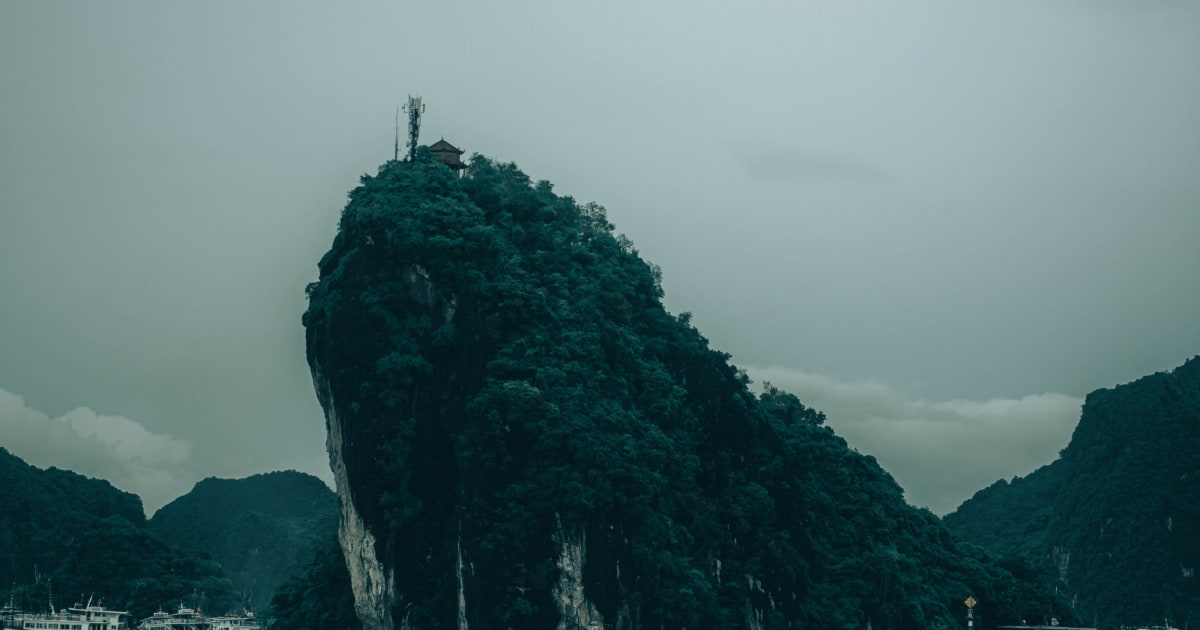
Ti Top Island - named after Soviet cosmonaut Gherman Titov, who visited with President Hồ Chí Minh in 1962 - is Ha Long Bay's most iconic stop: a crescent-shaped white sand beach for swimming and a roughly 400-450-step summit climb rewarded with a 360° panorama of the bay.

Yên Tử Mountain
Yên Tử Mountain is Vietnam's most sacred Buddhist peak - a 1,068m forested summit in Quảng Ninh where King Trần Nhân Tông abdicated in 1299 to found the Trúc Lâm Zen school. Part of the UNESCO World Heritage complex recognised in July 2025.
Local Food You Must Try

Hàu sữa
Fresh oysters - best eaten raw with lime and chili

Bánh cuốn chả mực
Steamed rice rolls with local seafood filling

Chả mực Hạ Long
Hand-pounded squid patties - Halong Bay's most famous specialty. Fresh squid is pounded by hand (never blended) to keep the texture springy, then deep-fried until golden. Locals say machine-made versions don't come close.

Gà đồi Tiên Yên
Free-range hill chicken from Tien Yen district, slow-raised on insects and wild grass in the northeastern hills. Firm, flavorful meat that locals boil simply with ginger and eat with salt and lime dipping sauce - no elaborate seasoning needed.

Cháo hà
Congee made with small saltwater clams harvested from Ha Long Bay's tidal flats. The broth is naturally briny and sweet from the clams, finished with fresh ginger and scallions - a classic fisherman's breakfast along the Quang Ninh coast.

Sá sùng
Dried peanut worms harvested from the sandy beaches of Van Don island - one of Quang Ninh's most prized and unusual ingredients. Roasted and eaten as a snack, or used to make an intensely savory broth that locals consider the secret behind the best pho in the region.

Ngán Quảng Ninh
A rare saltwater mollusc found only in the tidal mudflats of Quang Ninh - considered one of Vietnam's most prized seafood delicacies. Steamed or eaten raw with lime and ginger, ngán has a rich, creamy flesh with a naturally sweet brine. Peak season is October to February when the roe is fullest.