Menu
DestinationsLocationsBlogMapAbout
📍 nature · cultural

Bắc Sơn Valley

Bắc Sơn Valley in Lạng Sơn is a wide basin of patchwork rice paddies ringed by dramatic limestone karst peaks - 80km from Lạng Sơn city, home to Tày, Nùng, and Dao communities in traditional stilt houses. One of northern Vietnam's most photogenic and least-visited valley landscapes.

🌾 Rice Terraces🏔️ Karst Peaks🛵 Scenic Ride📸 Photography
🧭 Get Directions
Best Time to Visit
📅 Jul - Oct (golden rice harvest, peak season). Feb - Apr (spring blossoms, Lồng Tồng festival). Nov - Jan for trekking in cool weather.
Entry Fee
🎟️ Free
Opening Hours
🕐 Open 24 hours
Address
📌 Bắc Sơn, Lạng Sơn
👥Crowds
Off the tourist circuit - very few foreign visitors. Quiet on weekdays year-round. Slightly busier during golden rice season (Sep-Oct) with Vietnamese photographers.
🥾Difficulty
Valley loop: easy motorbike ride. Nà Lay viewpoint: 1,200 stone steps, 40-50 minutes up - challenging for weak joints. Some steps in poor repair.
⚠️Safety
Large spiders and webs on Nà Lay path, especially June-July - bring a stick. Bring water for the climb on sunny days.
🚶Accessibility
80km from Lạng Sơn city. Direct buses from Hanoi available. Motorbike rental in Bắc Sơn town. Basic guesthouses in town.
🌤️Seasonal
Jul-Oct: golden rice, peak season, least rain. Feb-Apr: spring blossoms, Lồng Tồng festival, green paddies. Nov-Jan: cool, dry, good for trekking, quietest period.

What Makes Bắc Sơn Valley Special

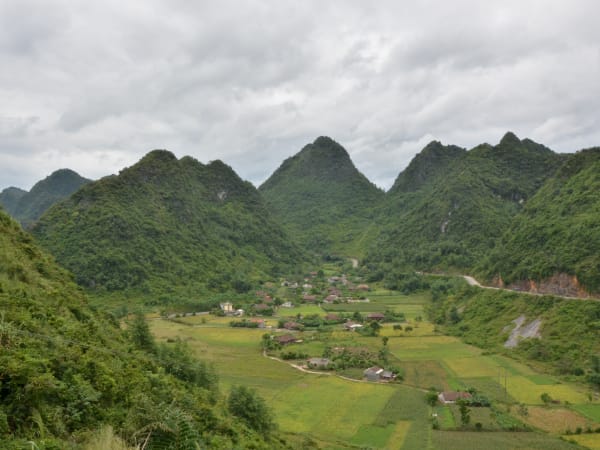
Bắc Sơn Valley lies in the limestone uplands of Lạng Sơn province, about 170km northeast of Hanoi and 80km from Lạng Sơn city. The valley floor is a broad flat basin of rice paddies at different stages of the growing cycle - golden, green, and newly planted fields creating a patchwork that locals compare to traditional textile patterns. The horizon on every side is defined by jagged limestone karst peaks. Scattered through the fields are the red-roofed stilt houses of Tày, Nùng, Dao, and Kinh communities who have farmed this valley for generations. Unlike the more famous valleys of Mù Cang Chải or Hà Giang, Bắc Sơn has not yet attracted significant tourism infrastructure - the guesthouses are basic and cheap, the villages are genuine agricultural communities, and the sense of quiet is rare by northern Vietnam standards. The Nà Lay viewpoint at 600m gives the full panoramic perspective - 1,200 stone steps from the valley floor.

🚗 Getting There

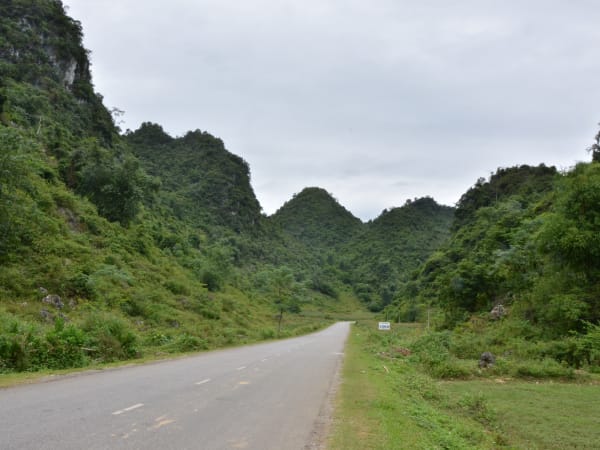
Bắc Sơn is 170km from Hanoi and 80km from Lạng Sơn city. Direct buses run from Hanoi's major bus stations (Giáp Bát, Yên Nghĩa, Mỹ Đình, Gia Lâm) - nhà xe Dung Nghị operates the route (0985 381 888 / 0971 787 868), journey approximately 4-5 hours. Alternatively, bus to Lạng Sơn city then transfer to Bắc Sơn (80km, about 1.5 hours). By motorbike from Hanoi: via Thái Nguyên or via Lạng Sơn city, both around 4 hours. The approach road from Đồng Mỏ through the karst corridor is scenic.

👀 On the Ground

Bắc Sơn town is a small district capital with basic guesthouses, local restaurants, a morning market, and motorbike rental. The valley is agricultural working land - rice paddies, maize, fruit orchards, and stilt house villages. The landscape is wide and quiet rather than dramatically vertical: limestone peaks frame the view without dominating it. The Nà Lay hill viewpoint (1,200 steps, 40-50 minutes up) gives the classic panoramic perspective - the full patchwork of fields, the village rooftops, and the karst peaks on all sides. On clear mornings, mist settles in the lower paddies and the peaks emerge slowly. Motorbike loop around the valley floor passes through Tày and Nùng villages with traditional stilt houses.

🧳 Tips

Bắc Sơn works best as one or two nights rather than a day trip - the valley changes completely with the light and weather, and the Nà Lay sunrise combined with a valley motorbike loop is the ideal structure. July to October is peak season for golden rice. February to April brings spring blossoms and the Lồng Tồng festival. November to January is cooler, quieter, and good for trekking. From Bắc Sơn, it is easy to continue northeast to Lạng Sơn city or loop back toward Thái Nguyên - natural addition to any northeast Vietnam itinerary.

Based on real traveler experiences and commonly mentioned advice from multiple visitors.

Nà Lay viewpoint at sunrise for the best light over the valley - allow 40-50 minutes for the 1,200-step climb
Jul-Oct for golden rice; Feb-Apr for spring blossoms and Lồng Tồng festival
Motorbike loop around the valley floor to see Tày and Nùng stilt house villages
Bring a stick for the Nà Lay path - spiders and webs common Jun-Jul
The valley sits completely enclosed by limestone karst peaks on all sides - the effect from Nà Lay viewpoint is a patchwork of rice fields in different stages (golden, green, newly planted) between red-roofed Tày and Nùng village houses. It looks like a giant textile.
Nà Lay hill viewpoint: climb 1,200 stone steps to the summit (600m+) for a full panoramic view of the valley. Allow 40-50 minutes up. Best at sunrise or golden hour.
Jul-Oct is peak season: golden rice harvest, least rain, most atmospheric. Late September to mid-October is the sweet spot.
Feb-Apr: spring blossoms (peach and plum), Lồng Tồng festival of the Tày people - a traditional harvest prayer ceremony worth timing around if possible.
Nov-Jan: cool and dry, good for trekking and hiking. Rice fields less vibrant but peaceful and uncrowded.
Rent a motorbike in Bắc Sơn town and ride the loop around the valley floor - passes through Tày and Nùng stilt house villages, takes about 2 hours.
80km from Lạng Sơn city. Direct buses from Hanoi (Giáp Bát, Yên Nghĩa, Mỹ Đình, Gia Lâm stations) - nhà xe Dung Nghị runs the route (0985 381 888 / 0971 787 868). Or bus to Lạng Sơn then transfer to Bắc Sơn.
Basic guesthouses in town - friendly and cheap. No tourist infrastructure, which is the point.
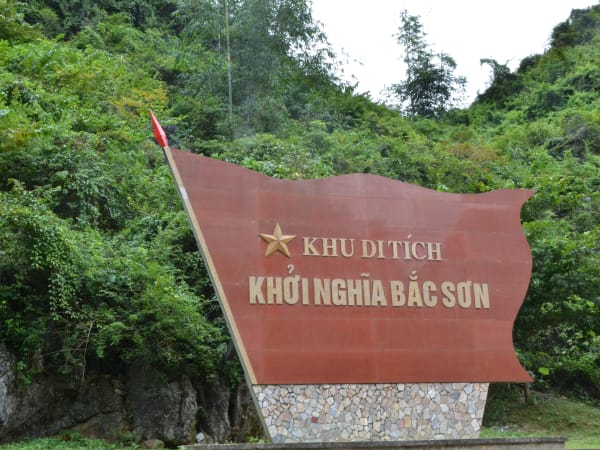
Combine with Bắc Sơn Uprising Monument - the valley has significant historical importance from the 1940 independence movement.

Common questions from travelers who've visited this place.

When is the best time to visit Bắc Sơn Valley?
July to October for golden rice harvest - the valley's most photogenic season, with late September to mid-October being the sweet spot. February to April for spring blossoms and the Tày Lồng Tồng festival. November to January for cool trekking weather and solitude. The valley is pleasant year-round.
How do I get to Bắc Sơn from Hanoi?
Direct buses run from Hanoi's major stations (Giáp Bát, Yên Nghĩa, Mỹ Đình, Gia Lâm) - nhà xe Dung Nghị operates the route (0985 381 888). Journey about 4-5 hours. Alternatively, bus to Lạng Sơn city (2.5 hours) then transfer to Bắc Sơn (80km, 1.5 hours). By motorbike from Hanoi: about 4 hours.
What is Nà Lay viewpoint?
The main viewpoint overlooking Bắc Sơn Valley, reached by climbing 1,200 stone steps to a 600m+ summit. Allow 40-50 minutes up. Best at sunrise for mist in the paddies and soft light on the karst peaks. Some steps are in poor repair - take care.
What is the Lồng Tồng festival?
A traditional Tày harvest prayer ceremony held in February to April (lunar calendar). One of the most culturally distinctive festivals in Lạng Sơn province. Worth timing a visit around if the dates align.