Menu
DestinationsLocationsBlogMapAbout
📍 tomb · heritage · hue

Tự Đức Tomb

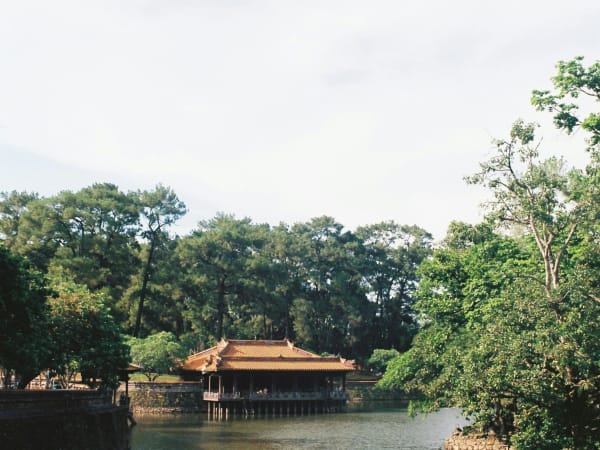
Tự Đức Tomb is the most garden-like of Huế's royal mausoleums - a romantic complex of pine forests, lotus ponds, and wooden pavilions built by Vietnam's longest-reigning Nguyễn emperor, who spent years here composing poetry before his death in 1883. Often ranked the most beautiful of Huế's four major tombs.

🌿 Garden Tomb📖 Poet Emperor📸 Photography🏡 Pavilion & Lake
🧭 Get Directions
Best Time to Visit
📅 Jan - Apr (dry season, mild post-rain weather in Jan-Feb, garden at its best). Avoid Sep - Dec - Huế's rainy season brings prolonged heavy rain that makes the mossy stone paths genuinely slippery.
Entry Fee
🎟️ 150,000 VND adult / 30,000 VND child (7-12). Combo ticket with Khải Định + Minh Mạng tombs available - better value than individual entries.
Opening Hours
🕐 7:00 AM - 5:30 PM. Best: 7:00-10:00 AM (soft light, fewer visitors) or 3:00-5:00 PM (sunset over Lưu Khiêm Lake).
Address
📌 Dương Xuân Thượng, Hương Thọ, Huế
👥Crowds
Less crowded than other Huế tombs overall. Mornings (7-10 AM) quietest. Avoid weekends and holidays for a more private experience.
🥾Difficulty
Significant walking required across a large 12-hectare site; some stone paths can be slippery when wet. Not wheelchair or stroller-friendly.
⚠️Safety
No flash photography inside architectural structures. Don't touch artifacts or pick flowers. Dress modestly - historical and spiritual site.
🚶Accessibility
150,000 VND adult / 30,000 VND child entrance. Combo ticket with Khải Định + Minh Mạng offers better value. Buy at gate, online (eticket.hueworldheritage.org.vn/vedientu), or Klook.
🌤️Seasonal
Jan-Apr: best - dry season, mild in Jan-Feb, garden at its peak. Sep-Dec: Huế's rainy season brings prolonged heavy rain (locally called 'mưa thối đất thối cát') - avoid, as mossy stone paths become genuinely slippery and the atmosphere turns grey rather than contemplative.

What Makes Tự Đức Tomb Special

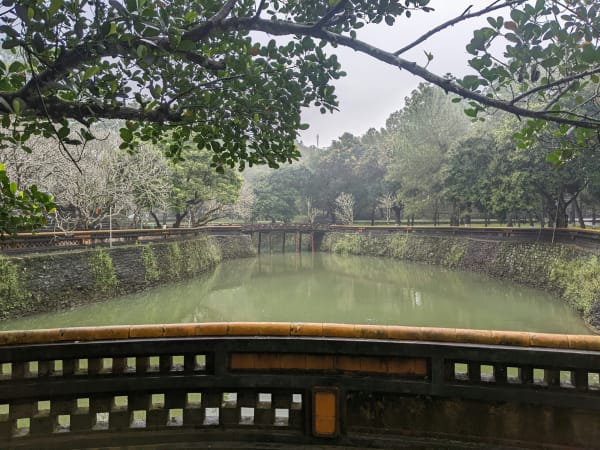
Tự Đức Tomb was built starting in 1864 by Emperor Tự Đức, Vietnam's longest-reigning Nguyễn emperor (1847-1883) - the 4th of 13 in the dynasty - who used the complex as a retreat during his lifetime, spending years here fishing, composing poetry, and hosting scholars, before it became his mausoleum. Construction involved 50,000 soldiers and laborers. The complex was originally named Vạn Niên Cơ, renamed Khiêm Cung during his reign, then Khiêm Lăng after his death in 1883. Nearly 50 structures cover the 12-hectare site in a pine forest valley adjacent to Vọng Cảnh Hill, centred on Lưu Khiêm Lake and the Xung Khiêm Pavilion that juts over the water on a wooden platform. Almost every building name contains the character 'Khiêm' (謙, humility) - reflecting the Confucian values Tự Đức held. Unlike Khải Định Tomb, which impresses with architecture, or Minh Mạng Tomb, which impresses with symmetry, Tự Đức Tomb impresses with atmosphere. Of the 13 Nguyễn emperors, only 7 built tombs, and Tự Đức's is widely regarded as one of the 4 most beautiful in the complex alongside Gia Long, Minh Mạng, and Khải Định - often cited as the most naturally harmonious and poetic of them all. Tự Đức was the most literary of the Nguyễn emperors, writing over 4,000 poems during his reign, and the tomb reflects his temperament: contemplative, romantic, and invested in the pleasures of natural landscape. His reign also coincided with France's consolidation of control over Vietnam, and the treaties he signed remain historically debated.

🚗 Getting There

Tự Đức Tomb is about 5km southwest of Huế city center. By motorbike: Nguyễn Phúc Nguyên street → cross Trường Tiền bridge → left onto Đống Đa street → continue ~5km (about 20 minutes). By bicycle: a pleasant, slower riverside route (about 45 minutes). By taxi/xe ôm: 100,000-150,000 VND from the city center. By bus: route 2 runs from the southern bus station to the tomb area - the most budget option. Most visitors combine Tự Đức with Minh Mạng and Khải Định in a single royal tombs circuit by motorbike.

👀 On the Ground

The main entrance leads through a courtyard and ceremonial gate to the lake area - Lưu Khiêm Lake with the Xung Khiêm Pavilion immediately establishing the garden character of the complex. A path circles the lake to the worship halls, the stele pavilion (containing the longest royal stele in Vietnam, composed by Tự Đức himself), and the tomb enclosure. The pine trees throughout are old and tall - their shade and the sound of wind through them are part of the experience. The burial mound enclosure sits at the rear, surrounded by a circular wall, containing no certain remains. Architecture blends traditional Vietnamese elements with subtle French classical influences, making it a popular spot for áo dài photography.

🧳 Tips

Tự Đức is the most atmospheric of the Huế tombs - the garden setting, the pine forest, and the pavilion over the lake give it a quality of lived-in melancholy that the more formal Minh Mạng and the more dramatic Khải Định don't have. It's the tomb that most rewards sitting down and staying a while rather than moving quickly through. The combination of all three major tombs in a single day is entirely feasible by motorbike and gives the full picture of Nguyễn royal funerary architecture across distinct aesthetic approaches: Khải Định for unique fusion architecture, Tự Đức for nature-harmonized tranquility, Minh Mạng for classic symmetrical 'Huế vibe', and Gia Long (further out) for historical weight and dramatic natural scenery.

Based on real traveler experiences and commonly mentioned advice from multiple visitors.

Jan-Feb for the most comfortable weather window
Morning (7-10 AM) for soft light and fewer visitors; late afternoon for sunset over Lưu Khiêm Lake
Combo ticket with Khải Định and Minh Mạng for better value if visiting all three
Sit at Xung Khiêm Pavilion for a few minutes - it's the single best way to understand why Tự Đức chose this site
Combine with Minh Mạng (5km) and Khải Định (6km) tombs for a full royal tombs day
Tự Đức was the 4th of 13 Nguyễn emperors and reigned the longest of all of them. Of the 13 emperors, only 7 have constructed tombs, and 4 of those - Gia Long, Minh Mạng, Tự Đức, and Khải Định - are considered the most beautiful.
Quick comparison guide to Huế's 4 major tombs: Khải Định for unique, modern-fusion architecture. Tự Đức for tranquil, nature-harmonized scenery. Minh Mạng for quiet, classic 'Huế vibe' symmetry. Gia Long for historical significance and dramatic natural setting.
Originally named Vạn Niên Cơ when construction began in 1864, then renamed Khiêm Cung during Tự Đức's lifetime, then Khiêm Lăng after his death. Built with 50,000 soldiers and laborers.
Nearly 50 structures throughout the complex - almost every building name contains the character 'Khiêm' (謙, meaning humility/modesty) - reflecting Confucian values Tự Đức held dear: Cửa Vụ Khiêm, Khiêm Cung Môn, Điện Lương Khiêm, and more.
The Xung Khiêm Pavilion over Lưu Khiêm Lake is where Tự Đức came to fish and write poetry - sit here for 10 minutes and understand why he chose this site.
Adjacent to Vọng Cảnh Hill, contributing to the harmonious blend of trees, mountains, and water that defines this tomb's character more than any other in Huế.
Jan-Feb is the ideal window: just past the rainy season, mild transitional weather, comfortable for walking the grounds.
Morning (7-10 AM): soft light, fewer crowds, best for architecture photography. Afternoon (3-5 PM): sunset over Lưu Khiêm Lake, one of the tomb's signature views.
Tự Đức's actual burial site is unknown - the tomb complex contains a cenotaph, not the emperor's body, which was buried in secret by 200 servants who were subsequently beheaded to preserve the secret.
By motorbike from Huế center: Nguyễn Phúc Nguyên street → cross Trường Tiền bridge → left onto Đống Đa street → continue ~5km. By bicycle: scenic, slower riverside route. By bus: route 2 from the southern bus station. Taxi/xe ôm: 100,000-150,000 VND from city center.
Buy tickets at the gate, online via the Huế Heritage site (eticket.hueworldheritage.org.vn/vedientu), or Klook. Combo ticket covering Tự Đức + Khải Định + Minh Mạng offers better value than separate entries.
Dress modestly - this is a historical and spiritual site. No flash photography inside the architectural structures. Don't touch artifacts or pick flowers.
Combine with Minh Mạng Tomb (5km south) and Khải Định Tomb (6km northeast) for a full royal tombs day by motorbike.
The complex is large - allow enough time, don't rush. Plenty of shade under the pine trees for rest breaks.

Common questions from travelers who've visited this place.

Where is Emperor Tự Đức actually buried?
His exact burial location is unknown. The tomb complex contains a cenotaph rather than his actual remains - he was buried in secret, reportedly by 200 servants who were subsequently beheaded to preserve the secret location. The site functioned as his royal retreat during his lifetime (1864-1883) before becoming his memorial tomb.
Is Tự Đức Tomb worth visiting, and how does it compare to the other Huế tombs?
Yes - if you're only choosing one tomb in Huế, Tự Đức is usually the safest pick. It offers the best overall balance: genuine historical depth, the most naturally harmonious setting of the major tombs, and an atmosphere that rewards slowing down rather than rushing through. Your choice should still match what you want most: Khải Định for unique, modern fusion architecture and a striking 'wow' moment. Tự Đức for tranquil, nature-harmonized scenery and the most poetic atmosphere. Minh Mạng for quiet, classic symmetrical 'Huế vibe'. Gia Long for historical significance and dramatic natural setting (further from the city). For most first-time visitors with limited time, Tự Đức remains the strongest single choice and is frequently cited as the most beautiful and the best all-rounder.
Tự Đức Tomb vs Khải Định Tomb - which is better?
They're not really comparable because they aim for opposite effects. Khải Định impresses with architecture - ornate, dramatic, a fusion of Vietnamese and European styles unlike anything else in Huế, and it photographs spectacularly. Tự Đức impresses with atmosphere - pine forest, a lake pavilion, and a sense of lived-in melancholy rather than visual spectacle. Visitors who want a 'wow' architectural moment usually prefer Khải Định. Visitors who want a contemplative, poetic experience usually prefer Tự Đức. Many travelers end up visiting both in the same day since they're only 6km apart - the contrast between them is part of what makes a combined royal tombs day worthwhile.
How long should I spend at Tự Đức Tomb?
At least 45 minutes to 2+ hours depending on pace. The complex is large with nearly 50 structures spread across 12 hectares - don't rush it. The pine forest provides shade throughout for rest breaks, and the Xung Khiêm Pavilion area rewards lingering rather than a quick walk-through.
What does the name 'Khiêm' mean and why does it appear everywhere?
Khiêm (謙) means humility or modesty - a virtue highly valued by Confucian scholars of the era. Nearly every structure in the complex carries this character in its name: Khiêm Cung Môn, Điện Lương Khiêm, Cửa Vụ Khiêm, and the tomb's own original name, Khiêm Cung. It reflects Tự Đức's self-presentation as a humble, contemplative ruler rather than a purely ceremonial figure.
Explore more
hue - Full Guide
View destination guide →