
Locations in Thanh Hóa · 7 found

Don Village
Don Village (Bản Đôn) is the most popular Thai village in Pù Luông Nature Reserve - a hillside settlement of traditional stilt houses set above a wide bowl of terraced rice fields, and the main base for homestays, retreats, and trekking in the reserve.

Hieu Village
Hieu Village (Bản Hiêu) is a traditional Thai village in Pù Luông Nature Reserve built around a multi-tiered waterfall - a quieter alternative to Don Village, with bamboo bridges, rice terraces stepping down to the stream, and homestays scattered along the water.
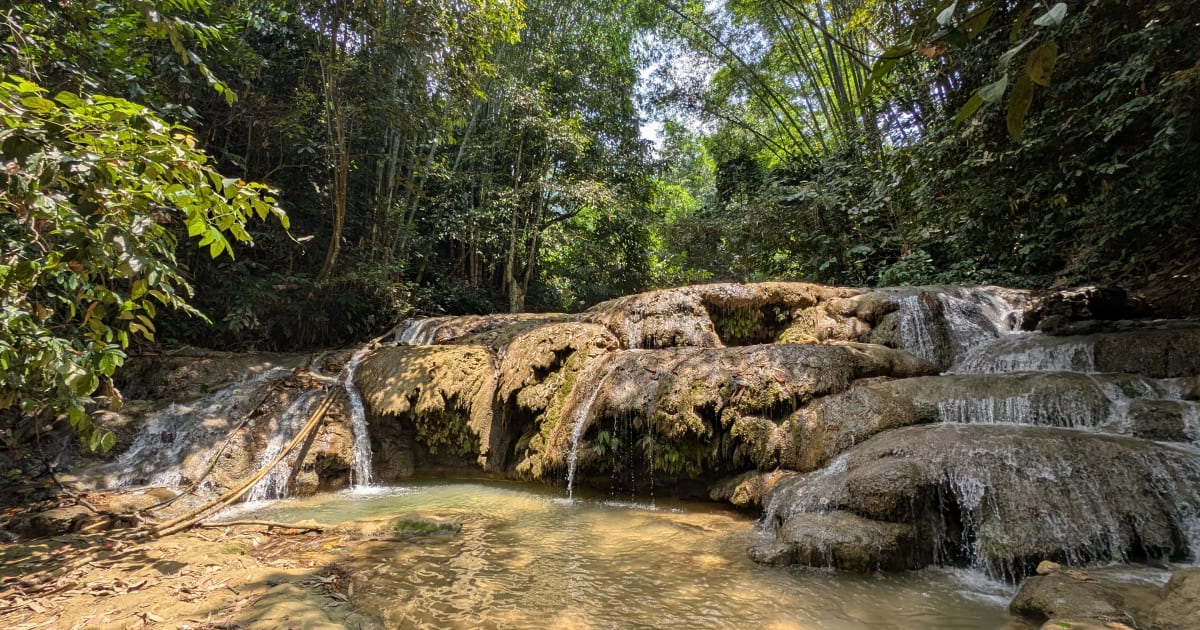
Hieu Waterfall
Hieu Waterfall (Thác Hiêu) is a multi-tiered waterfall running through Hieu Village in Pù Luông Nature Reserve - around 300m of cascades dropping through forest, bamboo bridges, and Thai rice terraces, with swimming pools at several tiers.

Ho Dynasty Citadel
Ho Dynasty Citadel is a UNESCO World Heritage Site in Thanh Hoa province - a remarkably intact 14th-century stone fortress built from massive green limestone blocks fitted without mortar, representing the peak of Vietnamese medieval military architecture, and currently undergoing a major restoration project through 2028.
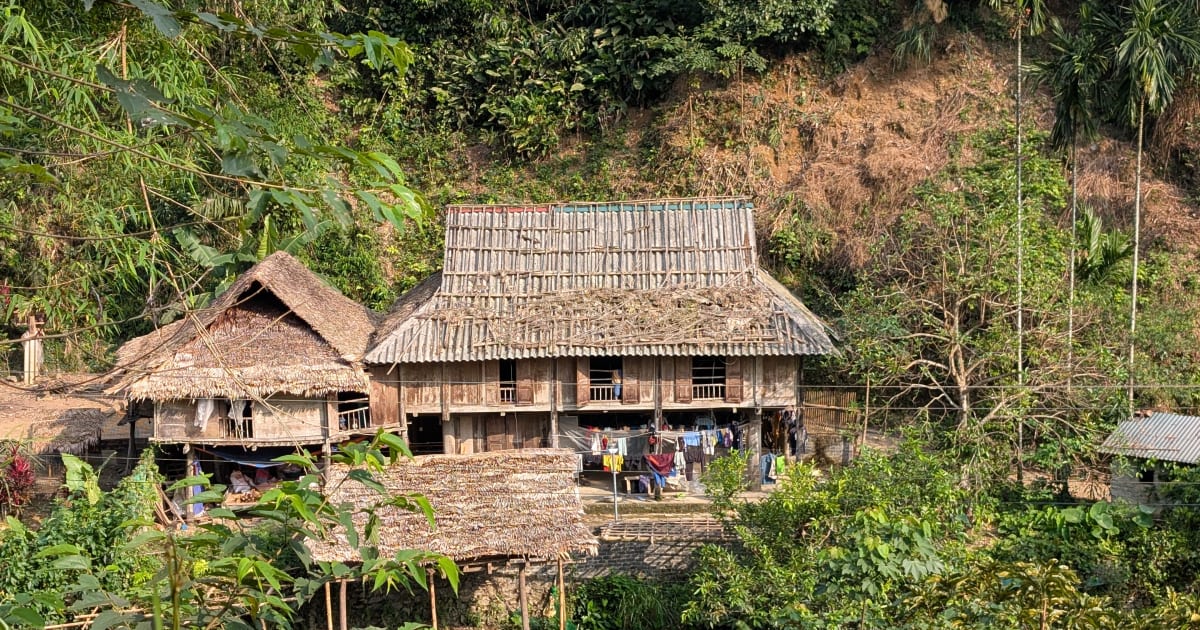
Kho Muong Village
Kho Muong Village (Bản Kho Mường) is the most remote Thai village inside Pù Luông Nature Reserve - a small settlement at the bottom of a narrow karst valley, accessed by a steep mountain road, with traditional family-run homestays and the entrance to Kho Muong Cave at the valley head.

Sam Son Beach
Sầm Sơn is Thanh Hóa's most famous beach and one of the busiest in northern Vietnam - a 9 km crescent of flat, fine sand about 180 km from Hanoi, with four bathing zones, strong waves, lifeguards, seafood and lively summer crowds.
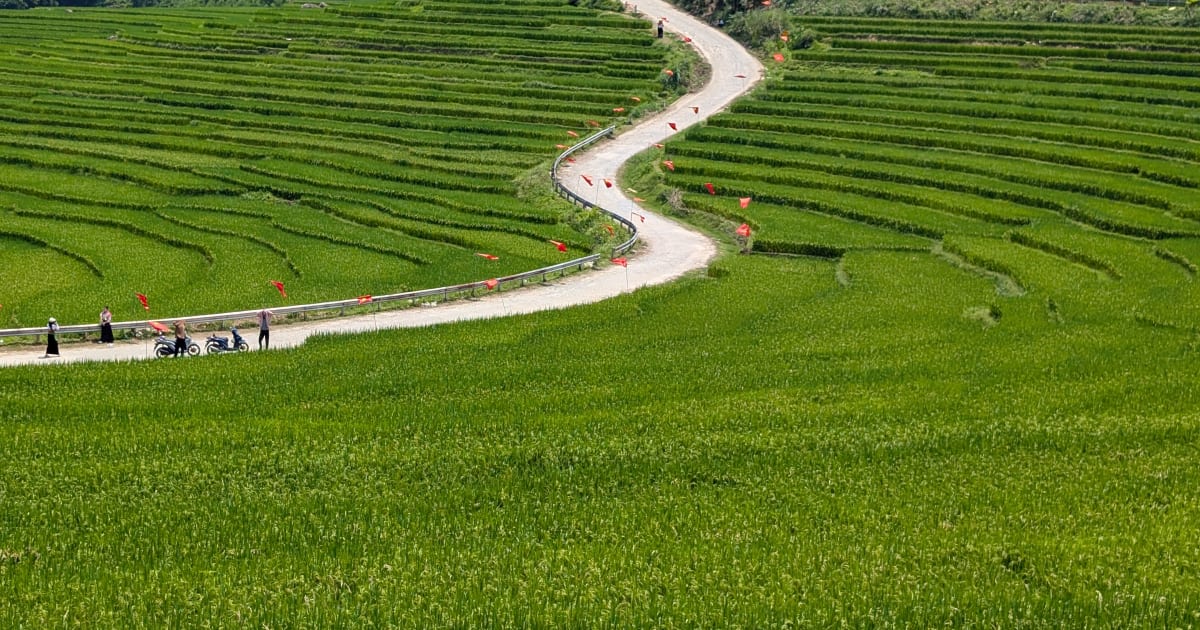
S-Shape Rice Terraces
The S-Shape Rice Terraces (Cánh đồng lúa hình chữ S) is the most photographed viewpoint in Pù Luông Nature Reserve - a curved sweep of stepped paddies seen from a hillside lookout above Don Village, at its best during the green and golden rice seasons.
Local Food You Must Try

Nem chua Thanh Hóa
Fermented sour pork rolls from Thanh Hóa - pork pounded with toasted rice powder and wrapped in guava leaves to ferment for three days, developing a tangy, garlicky flavour with a bouncy texture, eaten throughout the province as a snack and considered among the finest nem chua in northern-central Vietnam

Bánh cuốn Thanh Hóa
Steamed rice rolls with a distinctly thicker, chewier texture than the Hà Nội version - filled with seasoned pork and wood-ear mushroom and served with a sweeter dipping sauce and extra fried shallots, eaten at dawn markets throughout the province as the standard morning meal

Bánh gai Tứ Trụ
Black sticky rice cakes from Tứ Trụ village - gai leaf powder turns the glutinous dough a deep inky black, filled with sweetened coconut and mung bean then wrapped in dong leaves and steamed, a Thanh Hóa specialty with a more intensely herbal gai flavour than other regional versions

Canh lá đắng
Bitter leaf soup from Thanh Hóa's highland districts - wild bitter leaves foraged from mountain forests simmered with pork bones and fermented shrimp paste into a deeply bitter, cleansing broth that Mường and Thai communities drink as both food and medicine, an acquired taste that highland locals crave when away from home

Gỏi nhệch Thanh Hóa
Raw eel salad from Thanh Hóa's coastal estuaries - the eel is sliced thin and cured in lime juice then tossed with green banana, roasted peanuts, fresh herbs, and chilli, a coastal specialty eaten at fishing village restaurants along the Sầm Sơn coastline where the estuary eels are prized for their particularly sweet, clean flesh

Chả tôm Thanh Hóa
Prawn paste grilled on sugarcane skewers over charcoal - fresh prawns from Thanh Hóa's coast are pounded with pork fat and lemongrass then moulded around sugarcane sticks and grilled until golden, the sugarcane sweetening the paste from within as it cooks, eaten wrapped in rice paper with fresh herbs and a tangy dipping sauce