Menu
DestinationsLocationsBlogMapAbout
📍 nature · attraction · island · history · ho chi minh city

Cần Giờ Monkey Island

Cần Giờ Monkey Island sits inside a UNESCO Biosphere Reserve 50-60km from central Saigon - a river island in the mangrove forest where over 2,000 long-tailed macaques live in large semi-wild troops, reached by boat through the Cần Giờ waterways and often paired with the nearby Rừng Sác War Base on the same day trip.

🐒 Wild Monkeys🌿 Mangrove Forest🚤 Boat Tour🌊 UNESCO Biosphere
🧭 Get Directions
Best Time to Visit
📅 Nov - Apr (dry season; more comfortable and better boat conditions)
Entry Fee
🎟️ 35,000 VND/person (Vietnamese), 100,000 VND/person (foreigners) - includes the monkey performance show. Optional extras: crocodile feeding (~20,000 VND/turn), canoe rental deeper into the Rừng Sác reserve (600,000-1,000,000 VND round-trip depending on group size), parking (5,000 VND motorbike, 20,000 VND car)
Opening Hours
🕐 7:00 - 17:00 daily
Address
📌 Đảo Khỉ, Lý Nhơn, Cần Giờ, TP. Hồ Chí Minh
👥Crowds
Generally quiet on weekdays; can be busy with tour groups on weekends
🥾Difficulty
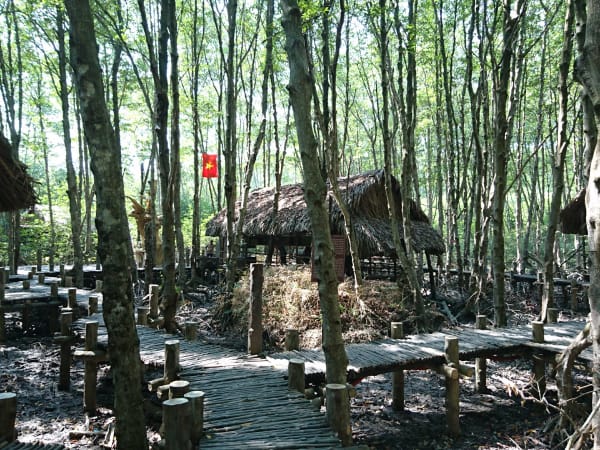
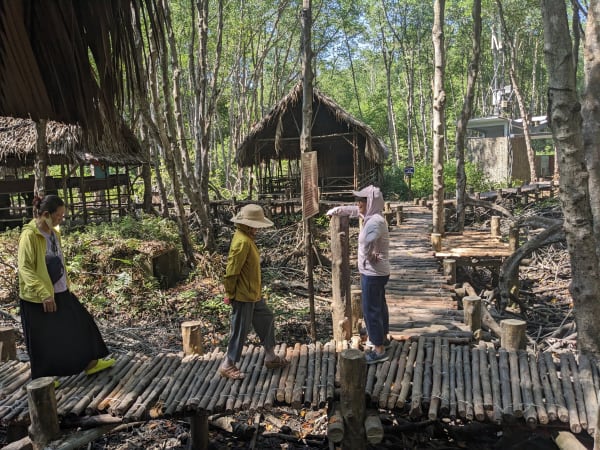
Flat, easy terrain with wooden boardwalks in places; some rickety bridges require careful footing, and stretches of sandy or dirt path can be slippery in the wrong shoes. Hot weather; an electric cart is available for those who'd rather not walk the full site
⚠️Safety
Monkeys are aggressive scavengers; they steal glasses, hats, phones, food, and scarves. Keep all belongings secured in bags/pockets. Stick to paths; do not feed or provoke monkeys, and avoid loud noise that might startle them
🚶Accessibility
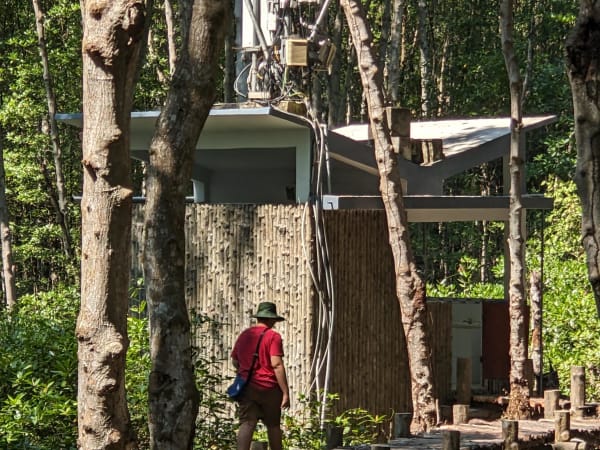
Basic facilities with public toilets along the walking route. Food options on the island are limited to snacks and drinks rather than full meals - plan to eat before or after at one of the seafood restaurants near the ferry terminal. Electric cart available for those unable to walk far
🌤️Seasonal
Avoid rainy season; extreme heat common around midday; mosquitoes active at sunset; tidal levels can affect motorboat schedules and availability

What Makes Cần Giờ Monkey Island Special

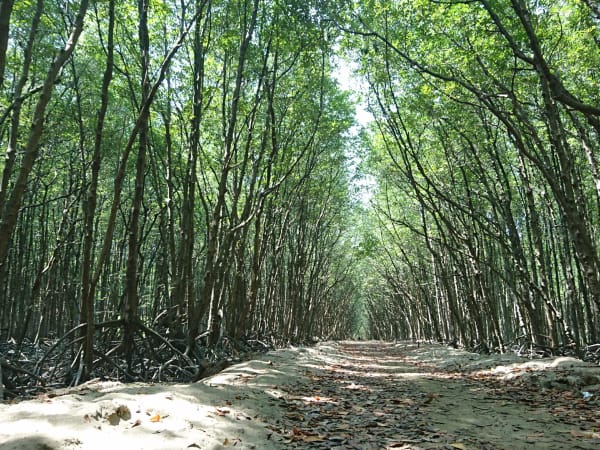
Monkey Island (Đảo Khỉ) is a river island within the Cần Giờ Mangrove Biosphere Reserve, approximately 50-60km south of central Ho Chi Minh City. The reserve - one of Southeast Asia's largest mangrove forests and a UNESCO-recognized biosphere since 2000 - was heavily deforested during the Vietnam War through the use of Agent Orange and has been substantially replanted since the 1980s in one of the largest ecological restoration projects in the country. Within the reserve, a population of long-tailed macaques (khỉ đuôi dài) - now numbering over 2,000 individuals, up from a much smaller founding population - has established on the island and surrounding mangrove areas, living in semi-wild conditions with a level of habituation to human visitors that allows close observation, typically in troops of 20-50 at a time. The island is reached by motorized boat through the Cần Giờ waterway network - the boat journey through the dense mangrove channels is itself a significant part of the experience. Nearby, reachable by the same canoe network, sits Rừng Sác War Base (Chiến Khu Rừng Sác) - a separate historical site marking where a special forces division operated a guerrilla base from 1966 until the war's end in 1975, now recreated with guerrilla huts, hidden bunkers, and sampans among the mangroves. A third nearby site, the Vàm Sát ecological tourism area, adds a bat swamp (Đầm Dơi), crab fishing, and a viewing tower (Tháp Tang Bồng) with panoramic views over the mangroves. All three - Đảo Khỉ, Rừng Sác War Base, and Vàm Sát - are commonly combined into a single day trip, even though they are distinct attractions rather than one and the same.

🚗 Getting There

Cần Giờ district is 50-60km south of central Ho Chi Minh City, connected by the Bình Khánh ferry crossing from Nhà Bè district. By motorbike or car, the journey from District 1 takes about 1.5 - 2 hours including the ferry crossing. On a budget, city bus route 20 (Bến Thành - Nhà Bè) runs to the Bình Khánh ferry pier; after crossing, bus route 90 continues out to Cần Giờ beach, with a stop near Lâm Viên/Đảo Khỉ - ask the driver to call out the stop. From the Cần Giờ area, Monkey Island is reached by organized boat tour from the Lý Nhơn or Cần Thạnh area - independent access by private boat is possible but most visitors join organized tours. Day tours from HCMC are the most common approach, departing from District 1 in the morning and returning by late afternoon. Tour prices typically include transport, ferry, boat, guide, and island entry, and often bundle in Rừng Sác War Base or Vàm Sát as a second stop on the same waterway network. If driving yourself, stick to the speed limit (under 50km/h) on Rừng Sác road, which has regular traffic police checkpoints.

👀 On the Ground

The boat journey through narrow mangrove channels takes 20-30 minutes from the main Cần Giờ waterway to the island. On the island, troops of long-tailed macaques move freely through the tree canopy and along the river banks, with several troops of 20-50 individuals commonly encountered during a visit. The monkeys approach closely and interact with visitors, particularly around food. There are basic facilities on the island including a small performance area where trained monkeys demonstrate tasks (cycling, balancing, juggling routines with a trainer), scheduled at certain times mainly on weekends and holidays - a common component of Vietnamese wildlife attractions that may not suit all visitors. A crocodile conservation area also sits on-site, with a paid crocodile-feeding activity available for those interested. The mangrove environment surrounding the island is dense, atmospheric, and home to water birds including egrets and kingfishers. Many visitors continue on by canoe to Rừng Sác War Base afterward, where the recreated wartime camp gives a very different, more solemn counterpoint to the monkeys.

🧳 Tips

Cần Giờ Monkey Island is the right choice for HCMC day trips when you want something genuinely different from the city rather than another war museum or street food tour. The mangrove biosphere reserve context - the scale of the reforestation, the waterway ecosystem, the crocodile population, and the nearby Rừng Sác War Base - gives the visit more depth than the monkeys alone. The monkeys are entertaining and the boat journey is scenic, but the most interesting thing about Cần Giờ is actually the ecological recovery story: what was a chemically defoliated landscape in the 1970s is now a functioning biosphere reserve with monitor lizards, crocodiles, and a recovering mangrove ecosystem. The UNESCO designation is earned rather than honorary. If you have a full day, pairing Đảo Khỉ with Rừng Sác War Base, Cần Giờ's black-sand beach, or the whale-worship shrine at Lăng Ông Thủy Tướng (home to a preserved 12-metre whale skeleton) rounds out the area's mix of nature, history, and local culture.

Based on real traveler experiences and commonly mentioned advice from multiple visitors.

Bring abundant water, a hat, sunscreen, and a personal fan; leave glasses/phones/food in a vehicle or a well-secured bag rather than a hand or side pocket
Visit on weekdays for fewer crowds; plan 1-3 hours depending on whether you add the boat tour or Rừng Sác War Base to the visit
Entrance is 35,000 VND for Vietnamese visitors and 100,000 VND for foreign visitors, which includes the monkey performance show - budget separately for crocodile feeding, deeper canoe trips into Rừng Sác, or parking
The monkeys are genuinely semi-wild and opportunistic - secure all bags, food, sunglasses, and phone before leaving the boat. They are fast and have learned to unzip pockets - avoid carrying hats or sunglasses loose, since these are the items most commonly snatched
Combine with the nearby Rừng Sác War Base (Chiến Khu Rừng Sác) for a fuller day trip - it's a separate historical site, not part of Đảo Khỉ itself, but the two are commonly visited together by canoe on the same excursion, with recreated guerrilla huts, hidden bunkers, and exhibits on the special forces division that operated from these mangroves during the war
Most visitors join organized day tours from District 1 or Bình Thạnh which include transport, boat, guide, and entry - solo logistics via ferry and xe ôm are possible but more complicated
The monkeys are most active and visible in the early morning (8-10 AM) and after 3 PM - midday heat reduces activity on the island
Cần Giờ district has good fresh seafood restaurants near the ferry terminal, including the well-known Chợ Hàng Dương seafood market - a seafood lunch is a standard part of the day trip circuit and worth building in
Don't carry plastic bags where monkeys can see them - they've learned to associate plastic bags with food and will snatch at them immediately, no other signal needed
Wear any backpack on your front rather than your back if you're walking through areas with monkeys - it's much harder for them to unzip or grab from something you can see and feel
Keep a respectful distance from mother-and-baby monkey pairs in particular - mothers are protective and quick to react if you approach too closely for a photo
If a monkey does grab something of yours, stay calm rather than chasing or shouting - ask a forest ranger for help instead, as they have the experience and tools to retrieve items more safely
Don't shout or make loud noises around the monkeys. If you're travelling alone, stay aware of your surroundings and keep your belongings secured at all times

Common questions from travelers who've visited this place.

Will monkeys steal my glasses and belongings?
Yes. Monkeys are notorious for grabbing hats, sunglasses, phones, food, and anything carried loosely. Keep valuables zipped inside your bag and avoid carrying food or plastic bags openly. Rangers can sometimes retrieve stolen items.
How long does it take to visit from Ho Chi Minh City?
Approximately 1.5-2 hours driving including the ferry crossing. Total trip including the visit: roughly 2.5-4 hours from HCMC, longer if combining with Rừng Sác War Base or other nearby sites.
Is Rừng Sác War Base part of Monkey Island?
No - it's a separate historical site nearby, reachable by canoe through the same mangrove waterway network, and commonly combined into a single day trip along with a third site, the Vàm Sát ecological area. But all three are distinct attractions with different focuses: Đảo Khỉ for the monkeys, Rừng Sác War Base for wartime history, and Vàm Sát for its bat swamp, crab fishing, and viewing tower.
Is Monkey Island suitable for children?
Yes, it's generally fine for kids, but keep a close eye on anything in their hands - monkeys react very quickly to food, toys, or anything small and shiny, and small children can be startled if a monkey approaches suddenly.
Explore more
ho chi minh city - Full Guide
View destination guide →