
Locations in Quảng Ngãi · 10 found
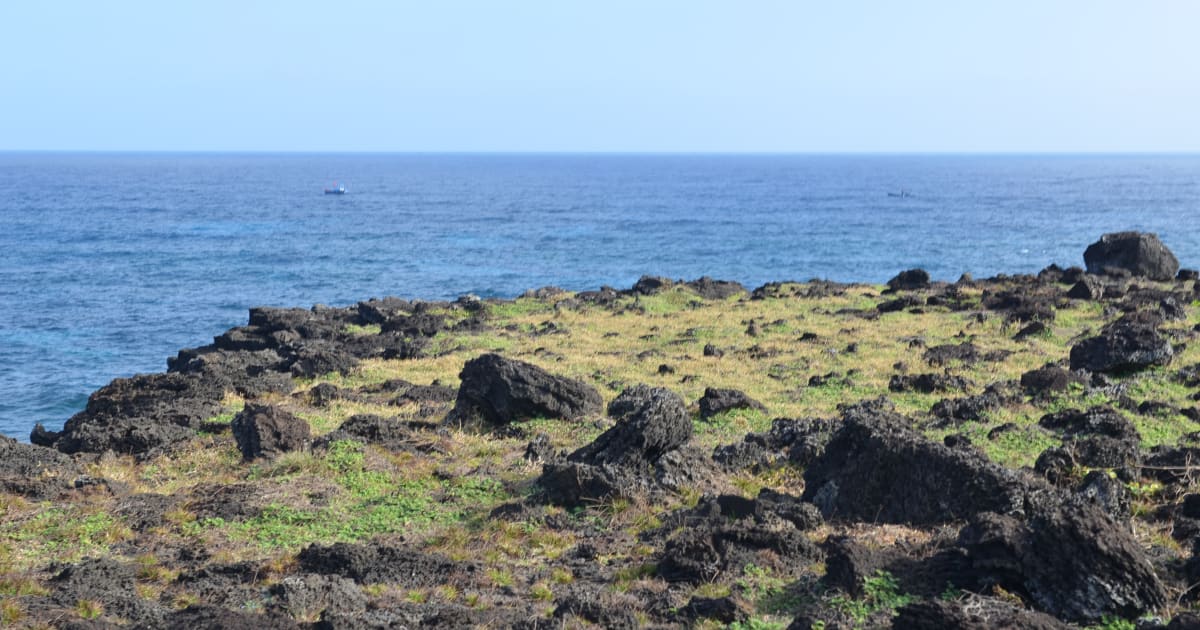
Đảo Bé (An Bình Island)
Đảo Bé - also known as An Bình Island or Cù Lao Bờ Bãi - is a small outer island 3 nautical miles northwest of Lý Sơn's main island, reachable by a 10-15 minute boat ride. With clearer water, more intact coral reefs, and a fraction of the crowds of the main island, it's the best snorkeling location in the Lý Sơn archipelago and a quieter alternative for a half-day by the sea.

Đình làng An Hải
Đình làng An Hải is one of Lý Sơn's two historic village communal houses, serving as a memorial to the Hải Đội Hoàng Sa - the imperial navy conscripts from Lý Sơn who for over two centuries sailed annually to assert Vietnamese sovereignty over the Hoàng Sa (Paracel) Islands, knowing many would not return.

Đình làng An Vĩnh
Đình làng An Vĩnh is the communal house of Lý Sơn's oldest village, near the main ferry port, and the primary site of the Hải Đội Hoàng Sa memorial tradition - the annual ceremony honoring the Lý Sơn sailors sent on imperial missions to the Hoàng Sa (Paracel) Islands.

Bùi Hui Grassland
Bùi Hui Grassland in Ba Tơ, Quảng Ngãi is a scenic highland meadow known for its purple sim flowers, cool mountain air, sea-of-clouds sunrise views, and overnight camping among rolling green hills.

Hang Câu
Hang Câu is Lý Sơn's most dramatic coastal spot - a beach at the base of Núi Thới Lới, on the island's northeastern shore, where vertical basalt cliffs meet turquoise water and coral reefs. The combination of volcanic cliff faces, clear water, and accessible snorkeling makes it one of the island's top swimming and photography destinations.

Chùa Hang
Chùa Hang - Thiên Khổng Thạch Tự, also known locally as 'Chùa Không Sư' (the pagoda without a monk) - is a 400-year-old pagoda built inside the largest natural cave on Lý Sơn, on the island's northeastern side below Núi Thới Lới. The cave is 24 meters deep with a 3.2-meter ceiling, housing altars set into natural stalactites, and the courtyard outside is shaded by ancient sea almond trees believed to be over 400 years old.

Lý Sơn Garlic Fields
Lý Sơn's garlic fields cover both the main island and Đảo Bé, grown in volcanic ash and white sand that gives the island's famous purple garlic its distinctive strong flavour. February to March is harvest season - the most photogenic time, with garlic drying in the sun across the island. November to January for young green fields.

Di tích Nhà Pha
Di tích Nhà Pha is a French colonial complex in Đông village, An Hải commune, Lý Sơn, built in 1890 as an office building, lighthouse, and kitchen. The site witnessed the island's 1945 uprising, later became a wartime prison under both French and American administrations, and today combines revolutionary history with the still-functioning Lý Sơn lighthouse - one of the best panoramic viewpoints on the island.

Núi Thới Lới
Núi Thới Lới is Lý Sơn's highest point at 169 meters and the island's largest extinct volcanic crater, its bowl holding the island's only freshwater lake and a peaceful cattle pasture. A 20-meter national flag tower stands at the summit facing the Hoàng Sa (Paracel) Islands, with panoramic views over garlic fields, fishing villages, Đảo Bé, and Hang Câu beach below.

Cổng Tò Vò
Cổng Tò Vò is Lý Sơn's most iconic landmark - a natural basalt arch, about 2.5 metres high, formed from Giếng Tiền volcano's lava roughly 3,000-4,000 years ago, jutting into the sea on the island's coast. Officially recognised as a National Heritage Site in September 2025, it is best photographed at sunrise or sunset when light frames the arch against the open sea.
Local Food You Must Try

Don Quảng Ngãi
Tiny freshwater clams from the Trà Khúc river stir-fried with lemongrass, chilli, and fresh herbs - the clams are no bigger than a fingernail and must be harvested at dawn before the river warms, with an intensely sweet, briny flavour concentrated by their small size, eaten at riverside stalls in Quảng Ngãi city as a signature breakfast dish found nowhere else
Bún cá ngừ um
Braised tuna noodle soup from Quảng Ngãi's fishing coast - thick chunks of yellowfin tuna slow-braised in lemongrass, turmeric, and fermented shrimp paste until the fish absorbs all the aromatics, served over rice vermicelli with fresh dill and fried shallots, a coastal specialty eaten at harbour stalls near Quảng Ngãi's fishing villages

Ram bắp
Crispy fried corn and prawn fritters unique to Quảng Ngãi - fresh corn kernels mixed with minced shrimp, spring onion, and rice flour then pan-fried in small rounds until golden and crunchy outside with a sweet, juicy corn centre, eaten with sweet chilli dipping sauce at market stalls and beach restaurants throughout the province

Bánh tráng đập
Two rice papers smashed together - a soft wet rice sheet layered over a crispy grilled cracker then slapped until they fuse, drizzled with spring onion oil and eaten with mắm nêm fermented anchovy sauce, a central Vietnamese street snack that Quảng Ngãi locals claim as their own invention and eat daily at evening markets

Mắm nhum Quảng Ngãi
Fermented sea urchin paste harvested from the rocky reefs off Lý Sơn island - the uni is salted and fermented into a creamy, intensely briny orange paste eaten as a dipping sauce for boiled pork and fresh vegetables, one of the most prized condiments on the central coast and a defining flavour of Quảng Ngãi's island cuisine

Cá bống kho
Goby fish braised in caramel fish sauce in a clay pot - tiny river gobies from Quảng Ngãi's mountain streams slow-cooked with galangal, chilli, and black pepper until the sauce reduces to a sticky glaze and the bones soften completely, a humble daily home dish that every Quảng Ngãi local considers the taste of childhood