Overview
Things to Know
Gallery





About This Place
What Makes Bàu Sấu (Crocodile Lake) Special
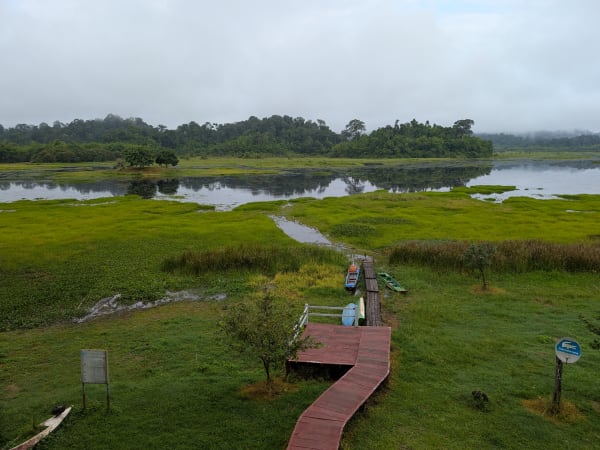
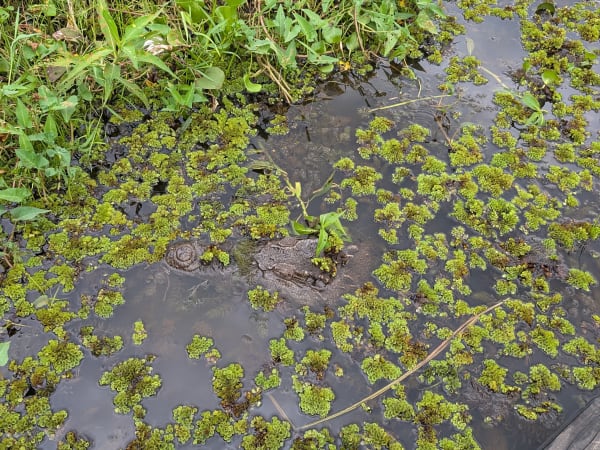
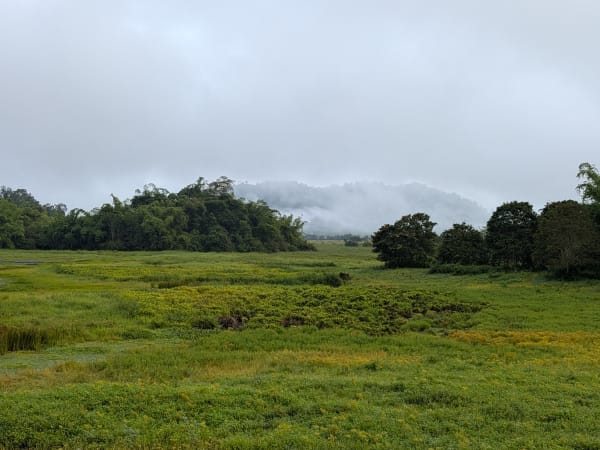
Bàu Sấu - literally 'Crocodile Lake' - is an oxbow wetland in the core zone of Cát Tiên National Park, located deep within primary lowland forest in Đồng Nai province. The lake is one of the last sites in Vietnam where Siamese crocodiles - a critically endangered species once found across Southeast Asia's river systems - have been successfully reintroduced. Around 1992, the species was believed extinct or nearly extinct in the wild in Vietnam. After more than 20 years of reintroduction and conservation work, there are now roughly 700 individuals living at Bàu Sấu. Beyond the crocodiles, Bàu Sấu functions as one of the most productive wildlife observation sites in southern Vietnam: the open water and surrounding wetland vegetation attract large numbers of waterbirds, and the surrounding forest supports a mammal fauna that includes gaur, Asian elephant, and sun bear. The 14km journey from the park headquarters to the lake - 9km by bicycle then 5km on foot - passes through old-growth lowland forest, one of the largest remaining tracts of this forest type in southern Vietnam.
How to Get There
Getting There
Bàu Sấu is accessed through Cát Tiên National Park headquarters, located in Tân Phú district, Đồng Nai province, approximately 150km north of Ho Chi Minh City. By car or motorbike from HCMC, follow Highway 20 north through Đồng Nai toward Đà Lạt - the park entrance is clearly signposted. The journey takes around 3 hours from central HCMC. From the park headquarters, cross the river by ferry (60,000 VND/person), then cycle 9km on a paved concrete road to the trailhead - bicycle rental is 150,000 VND/day, check brakes and tire pressure before taking one. From the trailhead, the 5km jungle trek to Bàu Sấu takes approximately 1-1.5 hours on foot. A guided trek must be booked at the park office. Jeep rental (~700,000 VND/vehicle return trip, up to 7 people) is available as an alternative to cycling for the first 9km.
What to Expect
On the Ground
The trek passes through lowland evergreen forest with a closed canopy - the old-growth sections have the character of primary jungle with large buttressed trees, ancient specimens over 400 years old, and the sound of forest birds overhead. The lake itself opens suddenly from the forest edge: a wide expanse of still water fringed with reeds and partially submerged trees. Waterbirds are visible immediately - herons, egrets, cormorants, and kingfishers work the shallows. Crocodiles are present and visible at the water's edge or floating mid-lake, particularly in the morning. The ranger station at the lake is a two-story wooden building with a green tin roof where rangers eat, sleep, and keep watch over the entire lake. For visitors who stay overnight, the experience shifts significantly after dark: rangers sweep flashlights across the lake to reveal the reflected eyes of crocodiles - hundreds of cold green points of light appearing and disappearing across the black water. Dawn brings the crocodiles out onto the wooden docks to sun themselves, close enough to observe in detail. The overnight rooms sleep up to 19-20 people total across 3-5 rooms - book at least 1-2 months in advance by contacting the Cat Tien National Park Management Board directly: (0251) 3669 228.
Travel Tips
Tips
Cát Tiên National Park is the most accessible serious wildlife destination from Ho Chi Minh City and Bàu Sấu is its centrepiece attraction. The park rewards overnight stays - the evening and dawn periods at the lake are the most rewarding for wildlife, and spending a night at the ranger station puts you at the water's edge during both. The rainy season (Jul - Oct) is harder going on the trail but the forest is at its most atmospheric: the canopy amplifies rain, streams run audibly through the undergrowth, and the green of the forest is at maximum intensity. Combine Bàu Sấu with the park's other activities: the gibbons at the Dao Tien Endangered Primate Species Centre, night drives from park HQ, and the extensive bird list of over 350 species. For visitors who want a genuine encounter with southern Vietnam's remaining lowland forest and wildlife, Cát Tiên is the most practical option within range of HCMC.
Insider Tips
Based on real traveler experiences and commonly mentioned advice from multiple visitors.
FAQ
Common questions from travelers who've visited this place.
What are the total costs and payment methods?›
How long does the full visit take?›
Can I stay overnight at Bau Sau?›
What wildlife can I expect to see?›
Nearby Locations
Explore more things to do like this around Vietnam