Overview
Things to Know
Gallery






About This Place
What Makes Bù Gia Mập National Park Special
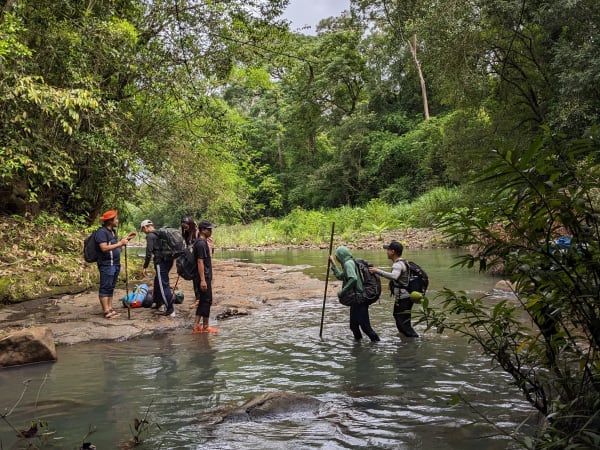
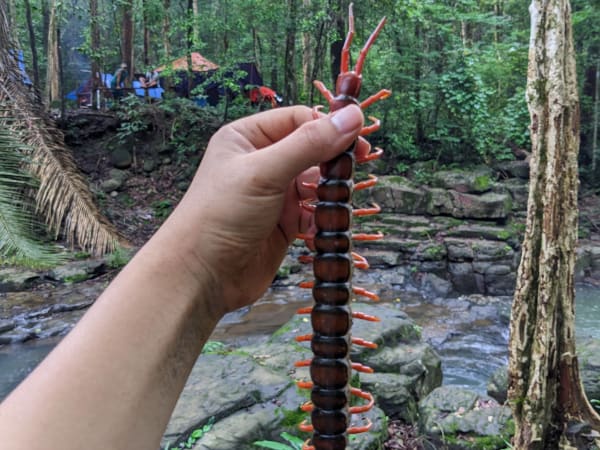
Bù Gia Mập National Park protects 26,000 hectares of lowland and transitional rainforest in the northern corner of Bình Phước province on the Cambodian border, about 200km from Ho Chi Minh City. It is one of the last significant blocks of primary lowland rainforest remaining in southeastern Vietnam - a forest type once continuous across the region, now almost entirely cleared. The park is home to 1,117 plant species, 104 mammal species (including yellow-cheeked gibbons, black-shanked douc langurs, gaur, and sun bear), 246 bird species, and 63 reptile and amphibian species. The border with Cambodia means the forest continues uninterrupted across a larger protected landscape, which is why wildlife density in the core zone remains high. On the difficulty scale, Bù Gia Mập rates about 2/10 compared to northern highland treks - the terrain is red basalt soil, gentle gradients, and stream crossings rather than technical climbing. The main challenge is not altitude but vắt (leeches), which are present in all seasons and abundant in the wet months.
How to Get There
Getting There
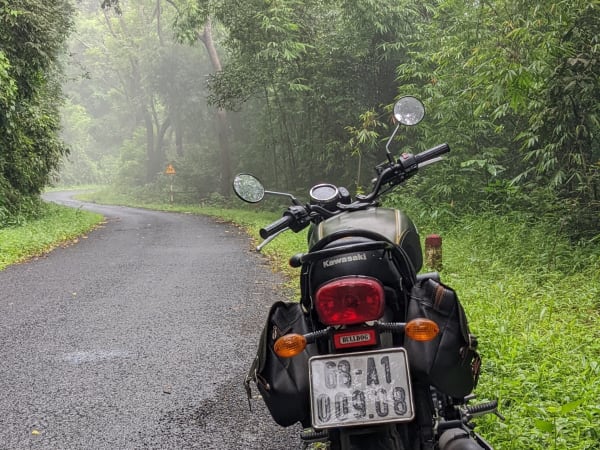
Bù Gia Mập is 200km north of Ho Chi Minh City, 4-5 hours by car or motorbike. By bus from Bến xe Miền Đông: Petro Bình Phước runs ~10 services/day to Đắk Ơ near the park checkpoint (4h45m, ~150,000 VND). Xe Thành Công runs ~40 services/day to Phước Long (3h30m, ~130,000-150,000 VND) from where you continue to the park. By motorbike: QL13 through Bình Dương to Phú Giáo, then to Phước Long, then Đắk Ơ, then 25km to the park checkpoint. Fill up at Đắk Ơ - the final stretch into the forest is remote. Park HQ contact for permits: 02713.724.237.
What to Expect
On the Ground
Trek routes of 8-11km through primary rainforest with stream crossings, gentle gradients, and dense jungle canopy. The main trails lead to Thác Lưu Ly waterfall, Tuyệt Tình Cốc pool (rope swing and swimming), and camping beside Đắk Manh stream. The highest point is around 738m with open forest views. Gibbon calls at dawn are audible from camp. The forest floor is red basalt soil - manageable when dry, slippery when wet. Standard 2-day 1-night format: trek in on day one, camp by the stream, return on day two. Evening meals at the campsite are typically cơm lam, grilled meat, and forest vegetables prepared by porters if on an organised tour.
Travel Tips
Tips
Bù Gia Mập is the closest primary rainforest experience to Saigon at a beginner-friendly difficulty level - a realistic 2N1D weekend trip that doesn't require northern highland fitness or preparation. The dry season (November to April) is significantly more comfortable: clear trails, swimmable streams, and far fewer leeches. Wet season (May-October) is possible for experienced trekkers who want maximum wildlife activity and the most dramatic waterfalls, but the leech density and slippery trails make it genuinely tiring. Tour packages from HCMC covering transport, guide, camping, and meals run 2,290,000-2,700,000 VND/person. Day tours are available for 700,000-800,000 VND. Book through the park or an established operator - independent forest access is not permitted.
Insider Tips
Based on real traveler experiences and commonly mentioned advice from multiple visitors.
FAQ
Common questions from travelers who've visited this place.
How difficult is trekking at Bù Gia Mập?›
What about the leeches?›
What tour operators run trips from Ho Chi Minh City?›
Is Bù Gia Mập suitable for children?›
What wildlife can I expect to see or hear?›
Nearby Locations
Explore more things to do like this around Vietnam