Menu
DestinationsLocationsBlogMapAbout
📍 island · beach · nature

Hòn Sơn Island

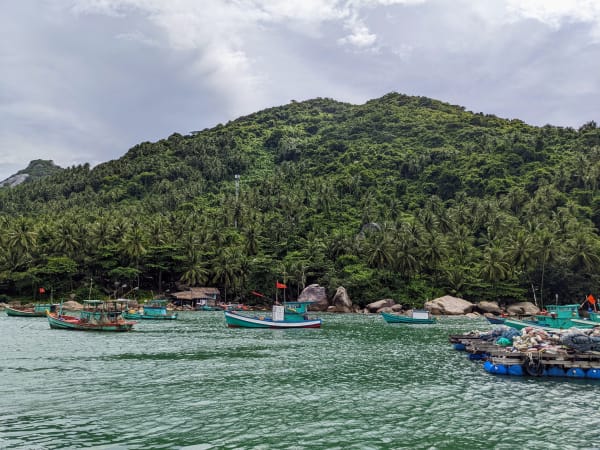
Hòn Sơn is a large mountainous island in the Gulf of Thailand, Kiên Giang - calmer seas and a shorter crossing than Phú Quý, with clear water, Ma Thiên Lãnh peak, fishing villages, and almost no resort development. Minimum 2 nights to do it properly.

🏝️ Hidden Gulf Island🤿 Snorkeling🌊 Clear Water🚴 Island Cycling
🧭 Get Directions
Best Time to Visit
📅 Nov - May (dry season, calm seas, clear water)
Entry Fee
🎟️ Free. Ferry from Rạch Giá: 90,000 VND (regular boat) to 180,000 VND (high-speed) per trip.
Opening Hours
🕐 Open daily; earliest ferry departs 6:30 AM, crossing ~1.5 hours
Address
📌 Lại Sơn, Kiên Hải, Kiên Giang
👥Crowds
Weekends fill up fast - ferry tickets and sea-view rooms both book out. Weekdays are noticeably quieter. Dry season Dec-Apr is peak.
🥾Difficulty
Ma Thiên Lãnh trek is moderately demanding. Island roads are manageable by motorbike. Some beaches have rocky sections.
⚠️Safety
Carry CCCD or passport - ID checks can happen at the pier. Bring cash; ATM access unreliable. Occasional power cuts - bring a portable charger. July to September rough season: heavy rain and rough seas can suspend ferry services for 1-3 days - risk of being stranded on the island is real. Build contingency days if visiting outside dry season.
🚶Accessibility
Motorbike rental at pier: 150,000-200,000 VND/day. Essential for covering the island - too large to explore on foot. Ferry from Rạch Giá departs 6:30 AM earliest, ~1.5 hour crossing.
🌤️Seasonal
Nov-May: dry season, calm seas, clear water - best for beaches and snorkeling. Jun-Oct: wet season, rough conditions, less reliable crossings.

What Makes Hòn Sơn Island Special

Hòn Sơn (officially Lại Sơn) is one of the larger inhabited islands in the Kiên Hải island group of Kiên Giang province, situated in the Gulf of Thailand between the mainland and Phú Quốc. Unlike many of the province's smaller outer islands, Hòn Sơn has enough elevation and size to support a varied landscape - steep forested hills, multiple beaches with different characters, and a fishing community spread across the island's main settlement. The crossing from Rạch Giá takes about 1.5 hours and the seas are calmer than the Phú Quý route - easier on those prone to seasickness. Accommodation ranges from basic guesthouses and homestays to small resorts, bungalows, and beachfront options - more developed than the remote outer islands but nothing close to Phú Quốc's scale. The water is clear enough for casual snorkeling in the dry season.

🚗 Getting There

From Ho Chi Minh City, take an 11 PM overnight bus to Rạch Giá - arriving around 4 AM. Allow 30 minutes to transfer to the ferry pier. The pier also serves ferries to Phú Quốc and Nam Du; if asked, you can say Phú Quốc to get to the right area faster. The earliest ferry departs at 6:30 AM; crossing takes approximately 1.5 hours. Book tickets online in advance - weekends sell out. Rạch Giá is roughly 250km from Ho Chi Minh City (5-6 hours by bus). Motorbikes can be brought on the ferry for a small additional fee.

👀 On the Ground

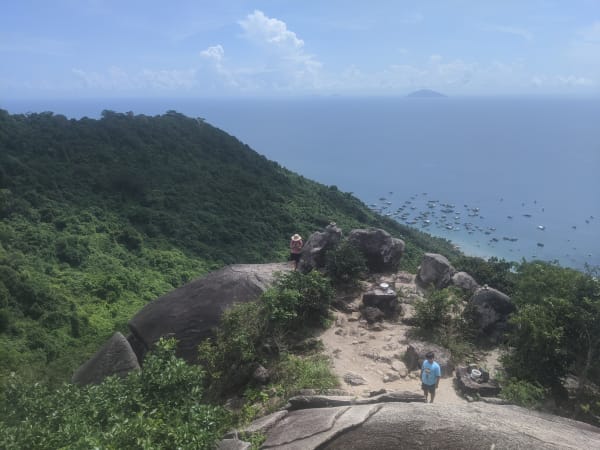
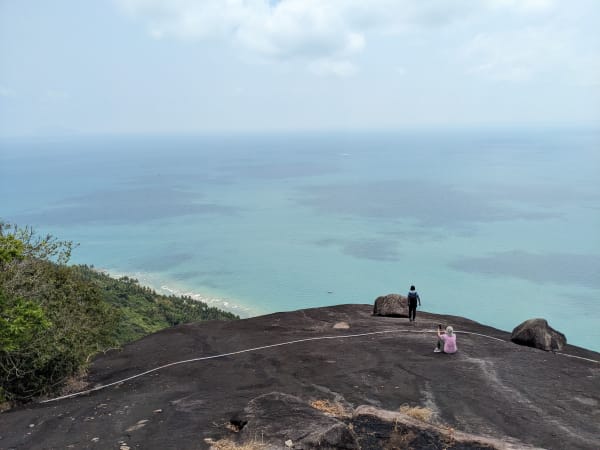
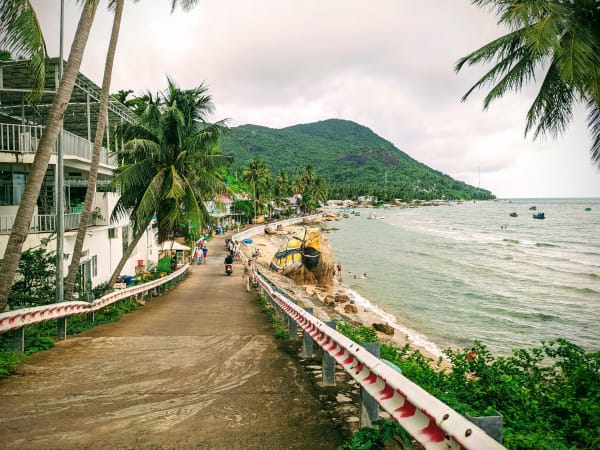
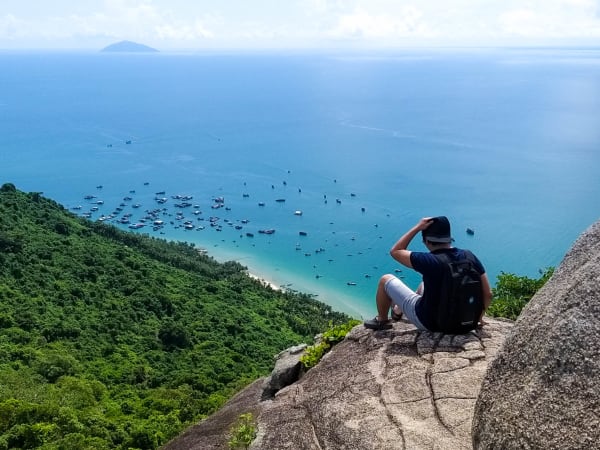
The main settlement is at the pier on the eastern side of the island, with guesthouses, restaurants, and motorbike rentals. A suggested itinerary for 2 nights: Day 1 - Ma Thiên Lãnh trek and viewpoint (1.5-2 hours, panoramic views over the whole island), lunch at a floating seafood restaurant (nhà bè), afternoon beach swimming, then Bãi Bàng or the cross-island road. Day 2 - Morning circuit around the island, turtle-shaped rock (hòn đá hình con rùa) check-in, seaside café, Lăng Ô Nam Hải. The floating fishing village (làng chài) location shifts by season: around March it's on the west side near the main fishing area; July-August it moves west near Bãi Bàng. For sunset each evening: Bãi Bàng, Palm Beach, the main pier, or Bãi Đá Chài.

🧳 Tips

Hòn Sơn sits in a good position in the Kiên Giang island hierarchy - more accessible than the remote outer islands but completely different from Phú Quốc's resort infrastructure. The 1.5-hour ferry from Rạch Giá filters out day-trippers and keeps the island low-key. Two nights is the minimum to properly cover the beaches and main sites. Book sea-view accommodation well in advance - limited rooms and high demand on weekends. Bring cash; reliable ATM access is not guaranteed. Occasional power cuts are rare but worth preparing for with a portable charger.

Based on real traveler experiences and commonly mentioned advice from multiple visitors.

Book ferry tickets online in advance - weekends sell out
Don't board the ferry early - wait until closer to departure to avoid seasickness from rocking while waiting
Book sea-view rooms well in advance - limited availability, goes fast
Sunset: Bãi Bàng, Palm Beach (has drinks), main pier, or Bãi Đá Chài
Bring cash - ATM access on the island is unreliable
From Saigon: take an 11 PM bus, arrive Rạch Giá around 4 AM, 30-minute transfer to the ferry pier. Many shuttle drivers simply use 'Phú Quốc?' as shorthand for the ferry terminal area, since the same port also serves Hòn Sơn and Nam Du departures. If that happens, don't worry - you're still heading to the correct pier.
Earliest ferry departs 6:30 AM, crossing takes about 1.5 hours. Book tickets online in advance - weekends fill up fast.
Don't board the ferry too early - sitting on a rocking boat while waiting for departure is how you get seasick before the journey starts. Board closer to departure time. If prone to seasickness, take motion sickness medication 30 minutes before boarding.
Hòn Sơn has calmer seas and a shorter crossing than Phú Quý - significantly less seasickness risk.
Carry your CCCD or passport - ID checks can happen.
Rent a motorbike at the pier: 150,000-200,000 VND/day. The island is large - motorbike is essential, not optional. Important: you can park anywhere, but always lock your helmet securely - helmet theft occasionally happens, and replacement costs 80,000 VND per helmet (2025 price) charged by the rental owner.
Hòn Sơn is large enough to need at least 2 nights to explore properly.
Book sea-view rooms well in advance - they go fast, especially on weekends.
Bring cash - ATMs may not be available or reliable on the island.
July to September rough season: heavy rain and rough seas can suspend ferry services for 1-3 days. Risk of being stranded on the island is real - build contingency days if visiting outside the dry season.
Best sunset spots: Bãi Bàng, Palm Beach (has drinks), the main pier (cầu cảng), and Bãi Đá Chài.
The floating fishing village (làng chài) moves with the seasons: around March it's on the west side near the fishing village area; July-August it shifts to the west side near Bãi Bàng.

Common questions from travelers who've visited this place.

How do I get to Hòn Sơn from Ho Chi Minh City?
Take an 11 PM overnight bus from Saigon to Rạch Giá, arriving around 4 AM. Allow 30 minutes to transfer to the ferry pier. Earliest ferry departs 6:30 AM, crossing ~1.5 hours. Book ferry tickets online in advance - weekends sell out. The pier also serves Phú Quốc and Nam Du ferries.
How long should I spend on Hòn Sơn?
Minimum 2 nights. Day 1: Ma Thiên Lãnh trek and viewpoint (1.5-2 hours), lunch at a floating seafood restaurant, afternoon beach, Bãi Bàng or cross-island road. Day 2: morning island circuit, turtle-shaped rock check-in, seaside café, Lăng Ô Nam Hải. Sunset spots both evenings: Bãi Bàng, Palm Beach, main pier, or Bãi Đá Chài.
Is Hòn Sơn better than Phú Quý for avoiding seasickness?
Yes - Hòn Sơn has calmer seas and a shorter crossing (~1.5 hours vs 2.5-3.5 hours for Phú Quý). Significantly better for those prone to motion sickness.
Where are the best sunset spots on Hòn Sơn?
Four good options: Bãi Bàng (beach setting), Palm Beach (has drinks available), the main pier (cầu cảng), and Bãi Đá Chài (rocky coastal setting).
What should I bring to Hòn Sơn?
Cash (ATMs unreliable), CCCD or passport (ID checks at pier), portable charger (occasional power cuts), motion sickness medication if prone to seasickness (take 30 minutes before boarding). Book sea-view accommodation well in advance. When renting a motorbike, always lock your helmet securely - helmets left hanging outside are frequently stolen and you'll be charged for replacement.