Menu
DestinationsLocationsBlogMapAbout
📍 cave · history · cat ba

Hospital Cave

Hospital Cave (Hang Quân Y) is a limestone cave on Cát Bà Island that served as a secret wartime hospital and military headquarters from 1963 to 1975, hidden inside a karst peak visible from the road. As of 2026, both entrances are closed - exterior visit only.

🏥 Wartime Underground Hospital📖 Vietnam War History🪨 Limestone Cave📸 Photography
🧭 Get Directions
Best Time to Visit
📅 Year-round (exterior only, 10-15 minutes - or skip entirely)
Entry Fee
🎟️ Free
Opening Hours
🕐 Accessible anytime (exterior only - both entrances closed as of 2026)
Address
📌 Cát Bà, Hải Phòng
👥Crowds
Very few visitors since the closure - the site is quiet.
🥾Difficulty
Front entrance: 69 steps. Rear entrance: 43 steps. Exterior visit only - no technical challenge.
⚠️Safety
Both entrances gated. Strong damp and ammonia smell from bat colony inside.
🚶Accessibility
Steps to each cave mouth. Exterior only - no interior navigation required.
🌤️Seasonal
Accessible year-round. Cave interior closed regardless of season.

What Makes Hospital Cave Special

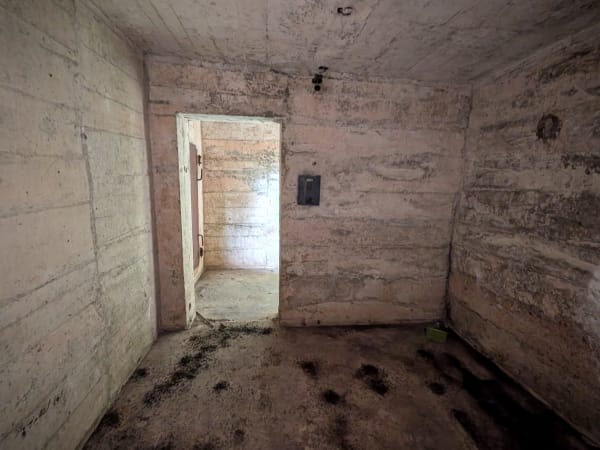
Hospital Cave - Hang Quân Y - is a limestone cave on Cát Bà Island that operated as a secret military hospital and command centre from 1963 to 1975, hidden entirely within a karst peak above the island's eastern shore. The cave's original name was Động Hùng Sơn, named after a Trần dynasty general. During the resistance against the US, it was converted into a field hospital and renamed Hang Quân Y. The facility was built to treat up to 150 patients at a time and included operating rooms, wards, a pharmacy, staff dormitories, a communications centre, and a cinema room - all concealed inside natural limestone that made aerial detection impossible. The cave was never discovered during the war. As of 2026, however, both entrances have been closed to the public and the interior is no longer accessible for visits.

🚗 Getting There

Hospital Cave is 10km from Cát Bà town on the main road toward the national park - about 15 minutes by motorbike. The cave is easy to spot from the road: look for the large opening visible in the limestone peak above. The entrance area has free parking. Two cave mouths are about 50 metres apart - walk out to the main road to move between them.

👀 On the Ground

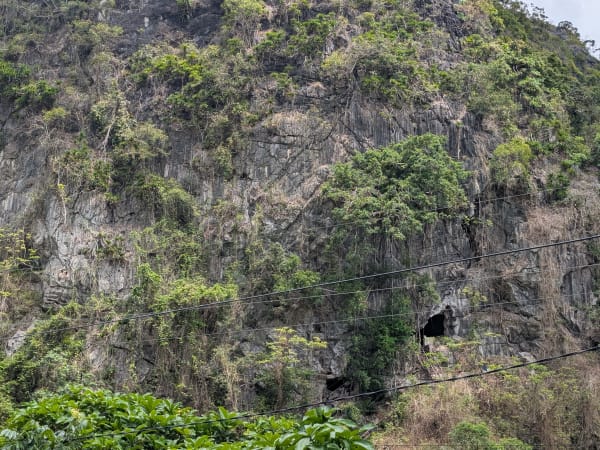
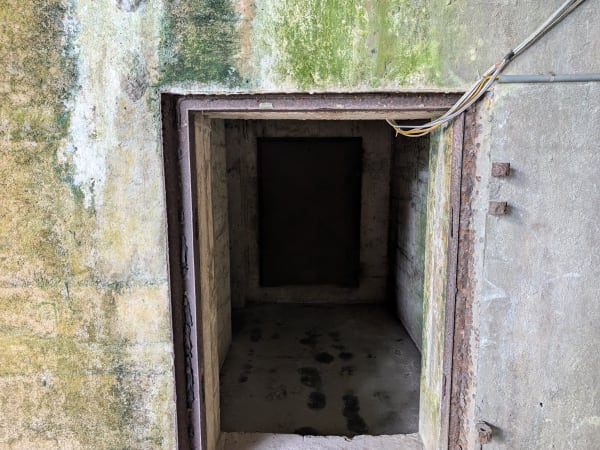
Both entrances are currently gated and closed. The front entrance has 69 steps leading up to the cave mouth; the rear has 43 steps. There is a tunnel connecting the two sides inside the cave but it has been locked off. From outside the gates you can see into the cave mouths and get a sense of the scale, but there is no interior access. The interior has a strong smell of damp and bat ammonia that carries out through the entrance. The limestone peak itself is striking from a distance - the large hole in the rock face is visible from the road before you arrive.

🧳 Tips

With the interior closed, Hospital Cave is a 10-15 minute stop at most. Many tours still include it as part of the Cát Bà national park itinerary - you can join them, but you can also skip it. If you do stop, the views from each entrance are a small bonus: the front looks out over Cát Bà town, the rear faces the national park. Think of it as a warm-up before the main sites rather than a destination in itself. If time is tight, spend it at Trung Trang Cave, the Ngự Lâm viewpoint, or the Việt Hải trekking route instead.

Based on real traveler experiences and commonly mentioned advice from multiple visitors.

As of 2026, the interior is closed. Budget 10-15 minutes for an exterior visit, or skip and prioritise Trung Trang Cave and the national park instead.
Two entrances roughly 50 metres apart - walk out to the main road to move between them. The connecting tunnel inside has been locked off.
The cave is easy to spot from the road: look for the large hole in the limestone peak before you reach the parking area.
As of 2026, both entrances are closed and the interior is no longer accessible. Many tours still list Hospital Cave as part of the Cát Bà national park itinerary - you can go, but you can also skip it without missing much. Budget 10-15 minutes at most.
The views from each entrance are actually worth the steps. The front entrance (69 steps) looks out over Cát Bà town. The rear entrance (43 steps) faces the national park interior. Not a reason to make a special trip, but a decent warm-up before heading deeper into the park.
The cave is recognisable from the road by a large hole visible in the limestone peak above - easy to spot before you even park.
There are two entrances about 50 metres apart. Both are gated. Walk out to the main road and approach each one separately - there is a tunnel connecting them inside but it has been locked off.
The front entrance has 69 steps up; the rear entrance has 43 steps. Neither leads anywhere beyond the cave mouth.
The interior smells strongly of damp and ammonia from the bats - noticeable even from outside the gated entrances.

Common questions from travelers who've visited this place.

Is Hospital Cave still open to visit?
As of 2026, both entrances are closed and the interior is not accessible. You can walk up to the cave mouths from outside (69 steps at the front, 43 at the rear) but cannot go inside. Budget 10-15 minutes for an exterior visit, or skip it and spend the time at Trung Trang Cave or the national park instead.
What was Hospital Cave used for?
From 1963 to 1975 it was a fully functioning underground military hospital and command centre, capable of treating up to 150 patients simultaneously. The natural limestone provided complete concealment from aerial surveillance. It included operating rooms, patient wards, a pharmacy, dormitories, a communications centre, and a cinema room. The cave was never discovered during the war.
What is the history of the cave's name?
The cave was originally called Động Hùng Sơn, named after a Trần dynasty general who fought invaders. During the resistance against the US it was converted into a field hospital and renamed Hang Quân Y (Military Medical Cave). Both names reflect different chapters of Vietnamese resistance history.
Explore more
cat ba - Full Guide
View destination guide →