Menu
DestinationsLocationsBlogMapAbout
📍 cultural · nature · cat ba

Việt Hải Village

Việt Hải is a fishing and farming village of 87 households inside Cát Bà National Park - nicknamed 'island within an island', reachable only by boat from Bến Bèo or by a 12km jungle trek through the national park. No road access to the outside world.

🚲 Jungle Cycling🏡 Isolated Fishing Village🌾 Rice Fields🛶 Kayak Access
🧭 Get Directions
Best Time to Visit
📅 Feb–Mar (spring fog, cool air) or Jun (rice harvest, lush scenery). Avoid Jul–Aug when rough seas can prevent boat access.
Entry Fee
🎟️ Free to enter village. Boat from Bến Bèo: 50,000 VND/person. National park entry (trekking route): 160,000 VND.
Opening Hours
🕐 Open 24/7
Address
📌 Việt Hải, Cát Bà, Hải Phòng
👥Crowds
Busy with day tours from midday onward, especially weekends. Quiet on weekday mornings and after 3 PM when tours leave. Overnight stays give the best access to the village at its most peaceful.
🥾Difficulty
Village itself is flat and easy. 12km jungle trek to reach it is moderate - 3-4 hours, good fitness helpful. Boat access is easy.
⚠️Safety
July-August rough seas can cut off boat access. Jungle trek requires closed shoes and awareness of terrain. No road in or out - plan accordingly.
🚶Accessibility
Village is flat and navigable by bicycle. Jungle trek is not suitable for limited mobility. Boat access is the easier option for most visitors.
🌤️Seasonal
Feb-Mar: spring fog, cool air, atmospheric. Jun: rice harvest, lush and golden. Jul-Aug: rough seas may prevent boat access, use trek. Oct-Dec: quieter, good conditions.

What Makes Việt Hải Village Special

Việt Hải's origin story goes back over a century: fishermen sheltering from a storm stumbled on a freshwater source in the forest and decided to stay. The village that formed has 87 households and about 295 people living on 141 hectares inside Cát Bà National Park - nicknamed 'đảo trong đảo' (island within an island) because it sits completely enclosed by jungle, karst peaks, and bay with no road connecting it to the outside world. The families grow rice on small paddies between the mountain ridges, keep livestock, and fish the bay. In recent years, homestays and day tours have brought a tourism dimension to the village that is now a significant part of the local economy. The combination of sea access through Lan Hà Bay and jungle access through the national park creates an unusual situation where the journey to the village is often as memorable as the village itself.

🚗 Getting There

Two routes. By sea: from Bến Bèo pier in Cát Bà town, boat tickets cost 50,000 VND per person for a scheduled departure or 400,000 VND for a 6-person speedboat. Journey time is around 30-45 minutes through Lan Hà Bay. Some luxury cruise itineraries (Heritage Cruises, Serenity Cruises, Paradise Grand) also stop here. July and August often bring rough seas that prevent boat access - use the land route in those months. By land: buy a national park ticket (160,000 VND) at Cát Bà National Park gate, then trek 12km through the jungle to the village (3-4 hours each way). The best option is to combine both: trek in, boat out, or reverse.

👀 On the Ground

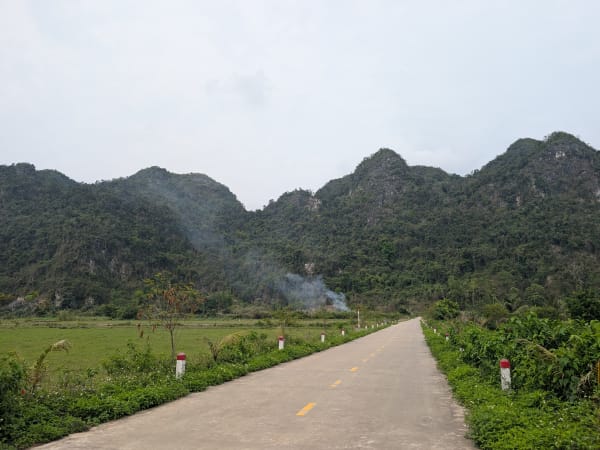
A small valley village with rice paddies, vegetable plots, fish ponds, and traditional wooden houses surrounded by karst peaks. Water buffalo on the paths, chickens in the yards. The village has a quiet, working-farm character on weekday mornings before day tours arrive. By midday on weekends, it's busy with visitors from Cát Bà. When you arrive by boat, bicycle rental is available right at the Việt Hải pier - the 5km ride from the pier into the village on a concrete path through karst scenery is the classic arrival. Electric carts run the same route if you prefer not to cycle. Tourist facilities in the village include additional bicycle rental, homestays, a fish foot spa, basic restaurants, and guided jungle walks to Hang Tiên Đức cave. The cave walk is the most interesting guided activity - the cave itself is worth seeing and lunch is typically included. The fish spa is popular and genuinely works (small fish, surprisingly ticklish). The snake wine sold at some stalls is diluted past relevance - skip it. After 3 PM, when day tours leave, the village reverts to its natural pace.

🧳 Tips

Việt Hải works best as an overnight stay or a combined trek-and-boat day rather than a quick stop on a day tour. The journey in is genuinely part of the experience - the 12km jungle trek through the national park is one of the better walks accessible from Cát Bà, and the bay approach by boat gives views of the karst that change the whole perspective of the island. The village itself has been shaped by tourism but the setting hasn't changed: rice fields, limestone walls, no road noise, and the bay visible through the trees. June for the harvest gold, February-March for the fog. Link to the national park article for the trek details: soloinvietnam.com/locations/cat-ba-national-park.

Based on real traveler experiences and commonly mentioned advice from multiple visitors.

Best format: trek in through the national park jungle (12km), cycle around the village, boat out through Lan Hà Bay
Stay overnight at a homestay - the village after day visitors leave is one of the most peaceful places on the island
Link to the national park page for full trek route details: soloinvietnam.com/locations/cat-ba-national-park
Two routes in: boat from Bến Bèo pier in Cát Bà town (50,000 VND/person, or 400,000 VND for a shared speedboat for 6), or 12km jungle trek through Cát Bà National Park (160,000 VND park entry). July and August often have rough seas that prevent boat access - use the trek route in those months.
The best format for a day trip: trek in through the jungle (12km, 3-4 hours), cycle around the village, boat out through the bay. Combines both access routes and avoids backtracking.
Rent a bicycle at the Việt Hải pier right when you arrive - the 5km ride from the pier into the village along a concrete path through karst scenery is the classic way to arrive. Electric carts are also available at the pier if you prefer. Once in the village, bicycles are the best way to explore the rice paddies and surrounding paths.
June is the rice harvest - the fields turn gold against the limestone backdrop. February-March brings morning fog that hangs over the village, which makes for atmospheric photography.
Overnight homestays are available and genuinely transform the experience. After day visitors leave around 3 PM the village is almost completely quiet - no engines, no crowds, just the sound of the farm.
Set expectations before arriving: the village has become a standard stop on Cát Bà day tours and has developed tourist services around that. The setting is genuinely beautiful and the village life is real - but don't arrive expecting somewhere untouched.
The fish foot spa (small fish nibbling feet) is available and popular. The snake wine sold at some stalls is heavily diluted rice wine - skip it.
Guided jungle walks to Hang Tiên Đức cave and a previously abandoned village are available - the cave is worth it and lunch is usually included.

Common questions from travelers who've visited this place.

How do I get to Việt Hải?
Two options: boat from Bến Bèo pier in Cát Bà town (50,000 VND/person scheduled, or 400,000 VND for a 6-person speedboat), or 12km jungle trek through Cát Bà National Park (160,000 VND park entry). July-August rough seas sometimes prevent boat access - use the trek in those months. Many visitors combine both routes: trek in, boat out.
Is Việt Hải worth visiting or is it too touristy?
Worth visiting if you go with the right expectations. The village has become a standard day tour stop and has tourist facilities around it. What hasn't changed is the setting: rice fields in a karst valley, no road access, working farm life. Go for the journey, the landscape, and an overnight stay if you can - not for an undiscovered fishing village experience.
What is the best time to visit?
June for the rice harvest when the fields turn gold against the karst backdrop. February-March for spring fog that hangs over the village in the morning. Avoid July-August if planning to arrive by boat - rough seas frequently prevent access. October to May is the most reliable window overall.
Explore more
cat ba - Full Guide
View destination guide →