Overview
Things to Know
Gallery


About This Place
What Makes Thường Phước Border Gate Special
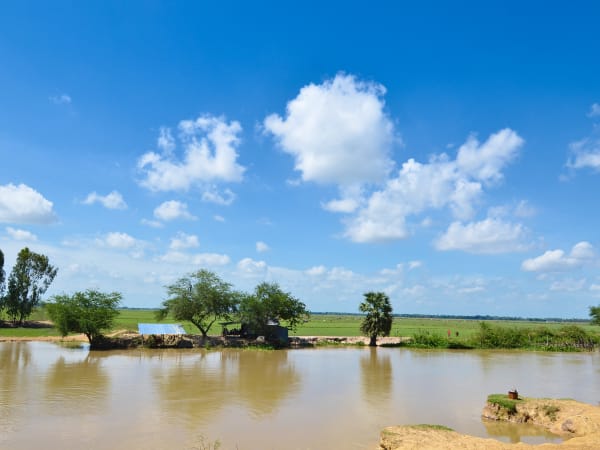
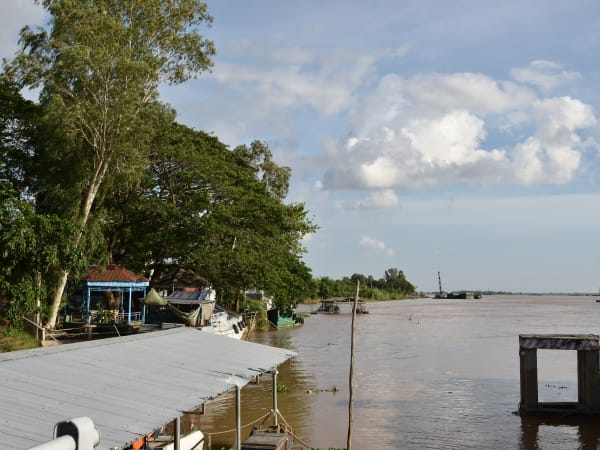
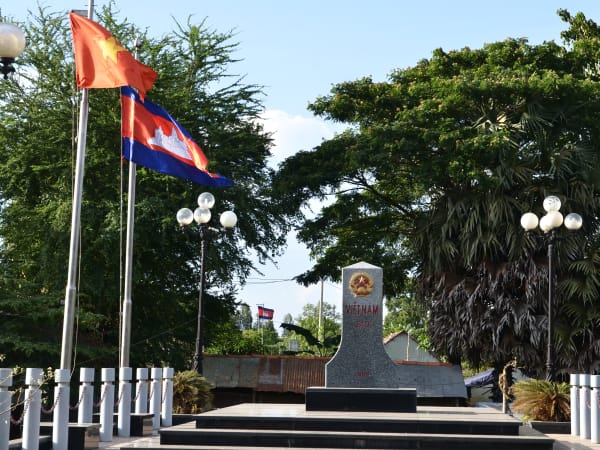
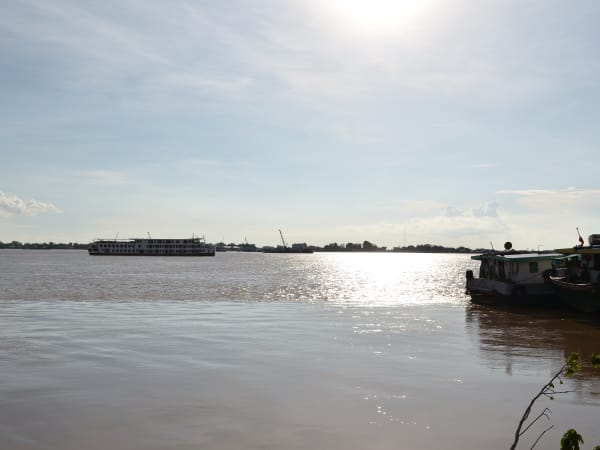
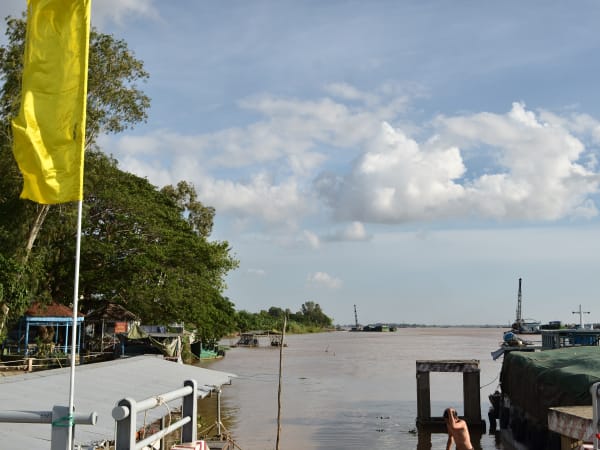
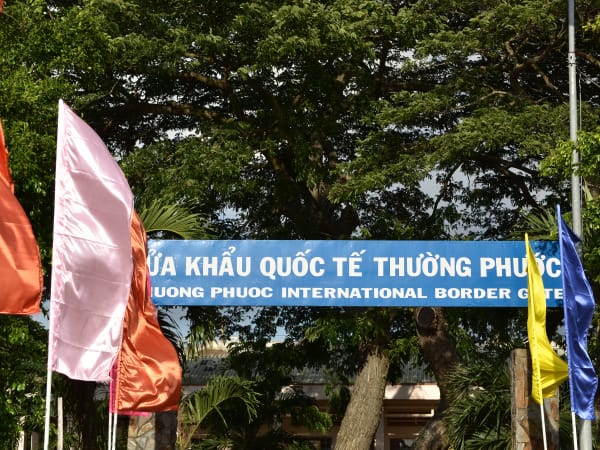
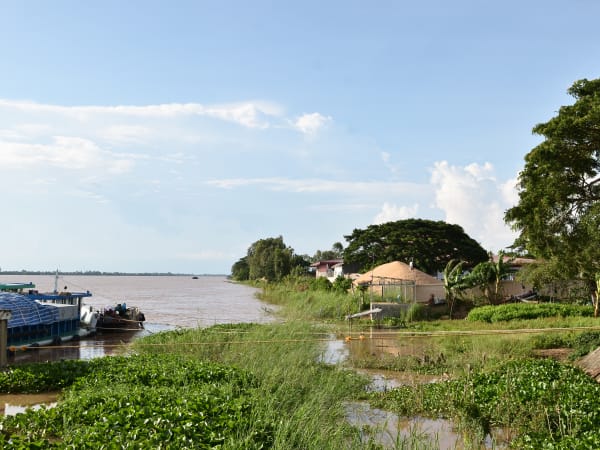
Thường Phước Border Gate sits at the point where the Mekong's Tiền River branch enters Vietnam from Cambodia, forming the international boundary between Vietnam's Đồng Tháp province and Cambodia's Prey Veng province. The exact crossing point is marked by Border Marker 240 on the Đồng Tháp bank - a matching Marker 241 sits across the river on the An Giang side, where the same stretch of the Mekong crosses into Vietnam a second time at Vĩnh Xương. Thường Phước connects to Cambodia's Kaoh Roka border post, and is one of several river crossings in the upper Mekong Delta through which trade, movement, and historical connections between the two countries have flowed for centuries. The crossing is by ferry across the Mekong - a wide, brown, working river at this point, carrying sand-transport boats, dredging equipment, and the occasional passenger ferry. The border area has the particular atmosphere of river border crossings in Southeast Asia: a mix of traders, officials, motorcycles stacked with goods, and the sharp geographic awareness that you are at the edge of one country and the beginning of another. The surrounding Đồng Tháp landscape - flat, watery, intensively farmed - is the classic upper Mekong Delta.
How to Get There
Getting There
Thường Phước is in Hồng Ngự district, the northernmost district of Đồng Tháp province, approximately 220km from Ho Chi Minh City. The practical route is via Sa Đéc or Cao Lãnh on Highway 30 west toward the Cambodian border. From Cao Lãnh (the provincial capital), the distance to Hồng Ngự is about 70km and takes 1.5 hours by road. From HCMC, the total journey is 4-5 hours by car or bus. Buses from HCMC's Miền Tây bus station run to Hồng Ngự town, from where motorbike taxi can reach the border gate.
What to Expect
On the Ground
The border gate area has a small market, border infrastructure, Border Marker 240 (a popular roadside photo spot with the national emblem carved into it), and river-crossing facilities. Worth knowing before you go: standing at Marker 240 itself, you can't actually see the scenic 'source point' where the Mekong's Tiền River branch first enters Vietnam - for that view, you'd need to cross to Marker 241 on the opposite (An Giang) bank near Vĩnh Xương, which sits inside a border-guard-controlled zone. Reaching Marker 241 requires checking in at the nearby Vĩnh Xương Border Post (about 2km away) with a referral letter or on-the-spot permission, after which a border guard escorts visitors in on a roughly 100m walk to a small, park-like area with greenery and an embankment, offering the actual river-source views. The Mekong at Thường Phước is wide enough that the Cambodian bank is visible but distant, with sand boats and dredging cranes working the river. If you're crossing into Cambodia, confirm the current road and river transport arrangements locally before departure, since the border gate handles both. For visitors not crossing into Cambodia, the interest is in the river itself, the border market atmosphere, and the flat delta landscape that stretches in every direction. The area around Hồng Ngự has additional interest as a flood-season destination - when the Mekong rises in October and November the entire district takes on a different character with boats replacing roads in many areas.
Travel Tips
Tips
Thường Phước is relevant for two types of travelers: those doing an overland Mekong Delta loop who want to exit Vietnam into Cambodia by river rather than the more standard Mộc Bài or Vĩnh Xương crossings, and those interested in the upper delta's flood-season landscape and border-town character. It is not a destination in the conventional sense - there is no single attraction to see beyond Border Marker 240 itself. The value is in the atmosphere of a working river border and the landscape of Đồng Tháp's far north. If you're doing a thorough Mekong Delta itinerary and have already covered Cần Thơ, Sa Đéc, and Châu Đốc, Hồng Ngự district and this border crossing add a different texture to the trip.
Insider Tips
Based on real traveler experiences and commonly mentioned advice from multiple visitors.
FAQ
Common questions from travelers who've visited this place.
Can foreigners cross at this checkpoint?›
What are the checkpoint operating hours?›
When is the safest time to cross?›
Nearby Locations
Explore more things to do like this around Vietnam