
Locations in Hồ Chí Minh · 10 found

Ben Thanh Market
Ben Thanh Market is the defining landmark of central Ho Chi Minh City - a French colonial covered market built 1912-1914 with a distinctive clocktower entrance, selling food, clothing, and souvenirs, surrounded by an evening street food market. The name traces back to the late 18th century Bát Quái citadel and its riverside dock.

Bui Vien Street
Bui Vien Street is Ho Chi Minh City's most famous backpacker street - a roughly 400-metre strip in District 1 packed with open-air bars, clubs, street food, and neon lights that becomes one of the city's busiest nightlife corridors after dark, alongside a well-documented reputation for drink and billing scams worth knowing about beforehand.

The Cafe Apartment
The Cafe Apartment at 42 Nguyễn Huệ is one of Ho Chi Minh City's most iconic landmarks - a weathered 1960s apartment block on Saigon's central walking street, its nine floors now packed with dozens of independent cafes, boutiques, and creative spaces behind a facade the city has never quite gotten around to demolishing.
Cần Giờ Monkey Island
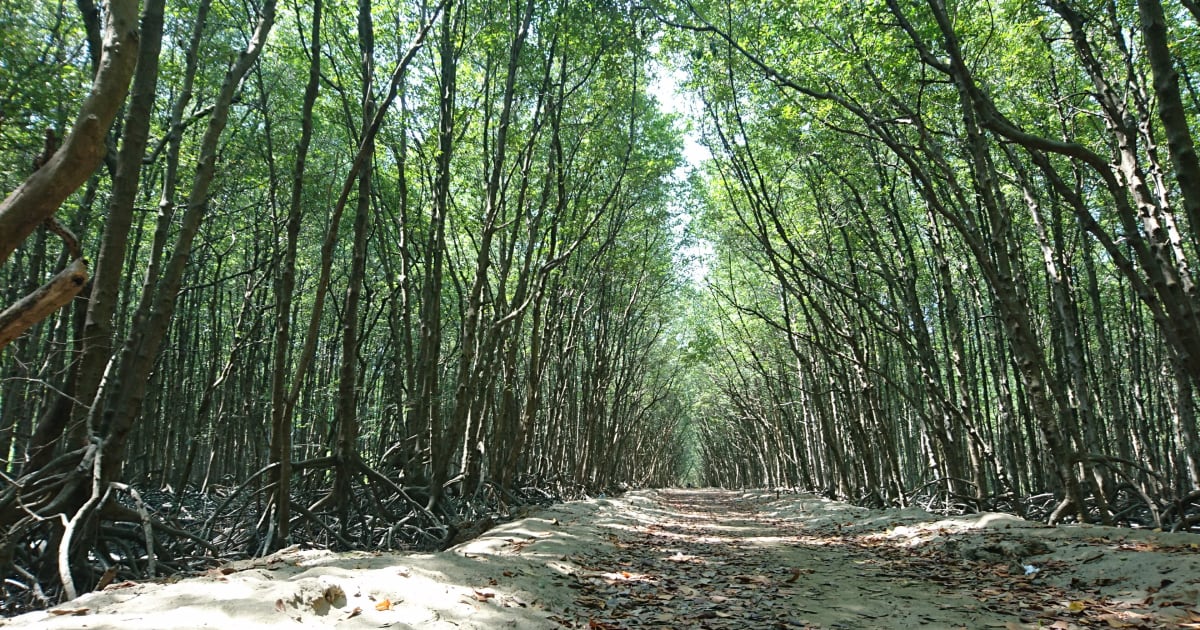
Cần Giờ Monkey Island sits inside a UNESCO Biosphere Reserve 50-60km from central Saigon - a river island in the mangrove forest where over 2,000 long-tailed macaques live in large semi-wild troops, reached by boat through the Cần Giờ waterways and often paired with the nearby Rừng Sác War Base on the same day trip.
Cu Chi Tunnels
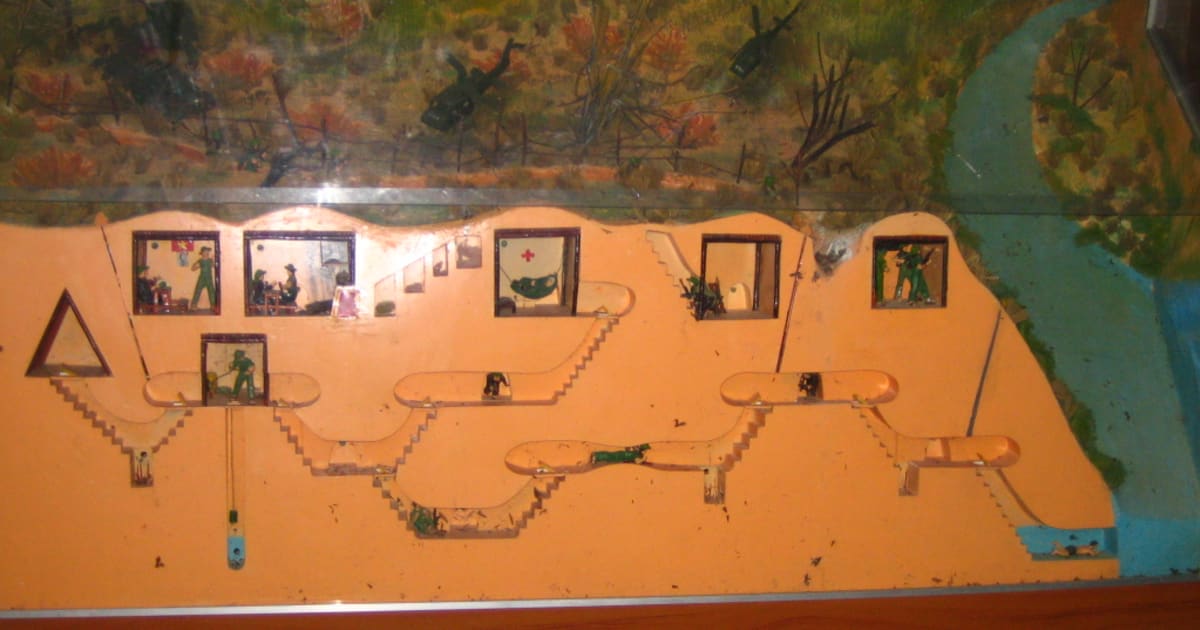
Cu Chi Tunnels is a 250km network of underground passages used by Viet Cong guerrillas during the Vietnam War - one of the most remarkable feats of military engineering in history, now preserved as a living war museum 40km northwest of Ho Chi Minh City.

Independence Palace
Independence Palace is the former seat of the South Vietnamese government in Saigon - the building where the Vietnam War effectively ended on April 30, 1975 when North Vietnamese tanks crashed through its gates, preserved exactly as it was on that day.

Jade Emperor Pagoda
The Jade Emperor Pagoda is Ho Chi Minh City's most atmospheric active temple - a dense, incense-filled Taoist and Buddhist sanctuary built in the early 1900s by a Cantonese Ming-loyalist merchant, housing over 300 lacquered and papier-mâché statues, a sacred turtle pond, and a rare stone shrine said to have travelled from Mount Tai in China.
Notre-Dame Cathedral Saigon
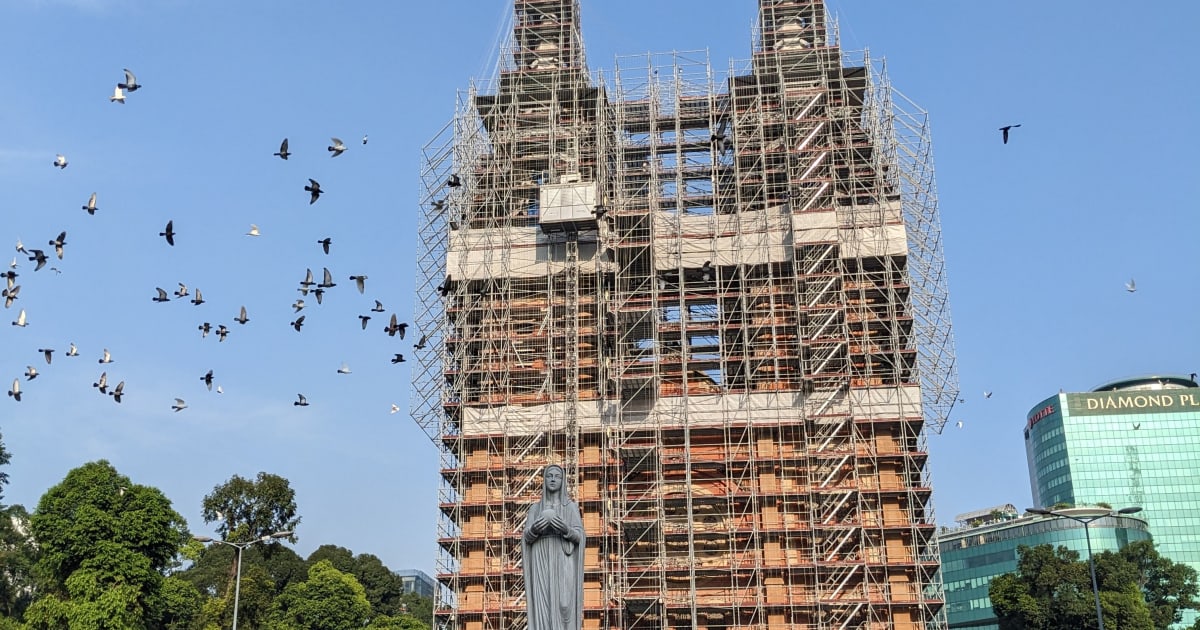
Saigon's Notre-Dame Cathedral is a French colonial landmark built entirely from materials imported from France between 1877 and 1880. Although the interior has been closed for restoration since 2017, the cathedral remains one of Ho Chi Minh City's most iconic landmarks and a favourite local gathering place.

Saigon Central Post Office
The Saigon Central Post Office is a functioning French colonial post office completed in 1891 - often attributed to Gustave Eiffel, though the building itself was designed by architects Auguste Henri Vildieu and Alfred Foulhoux, with Eiffel's company credited for the steel roof structure - featuring a stunning barrel-vaulted interior, historic tile maps of Indochina, and a portrait of Ho Chi Minh - one of Ho Chi Minh City's most photographed colonial landmarks.
War Remnants Museum
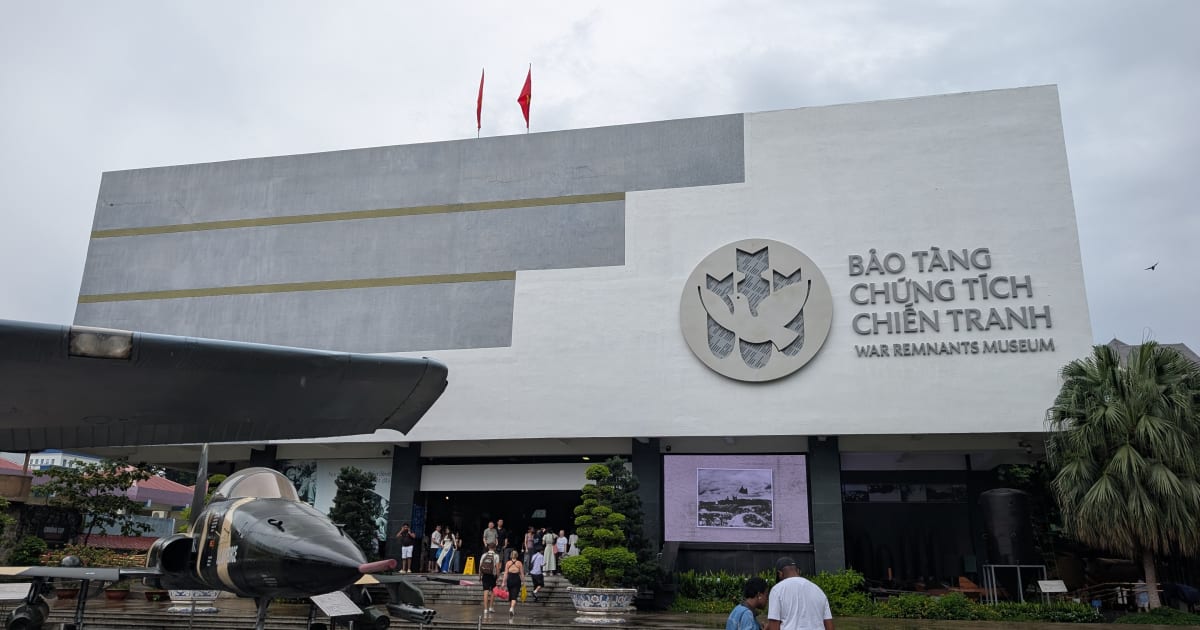
The War Remnants Museum in Ho Chi Minh City is Vietnam's most visited war museum, documenting the human cost of the Vietnam War through photographs, military hardware, and exhibits on the effects of Agent Orange - a sober and essential stop for understanding the country's modern history.
Local Food You Must Try

Cơm tấm Sài Gòn
Broken rice with grilled pork chop, shredded pork skin, steamed egg meatloaf, and pickled vegetables - the defining dish of Sài Gòn, eaten from dawn to midnight at plastic-stool restaurants on every street corner, with a sweetened fish sauce that is unmistakably southern Vietnamese
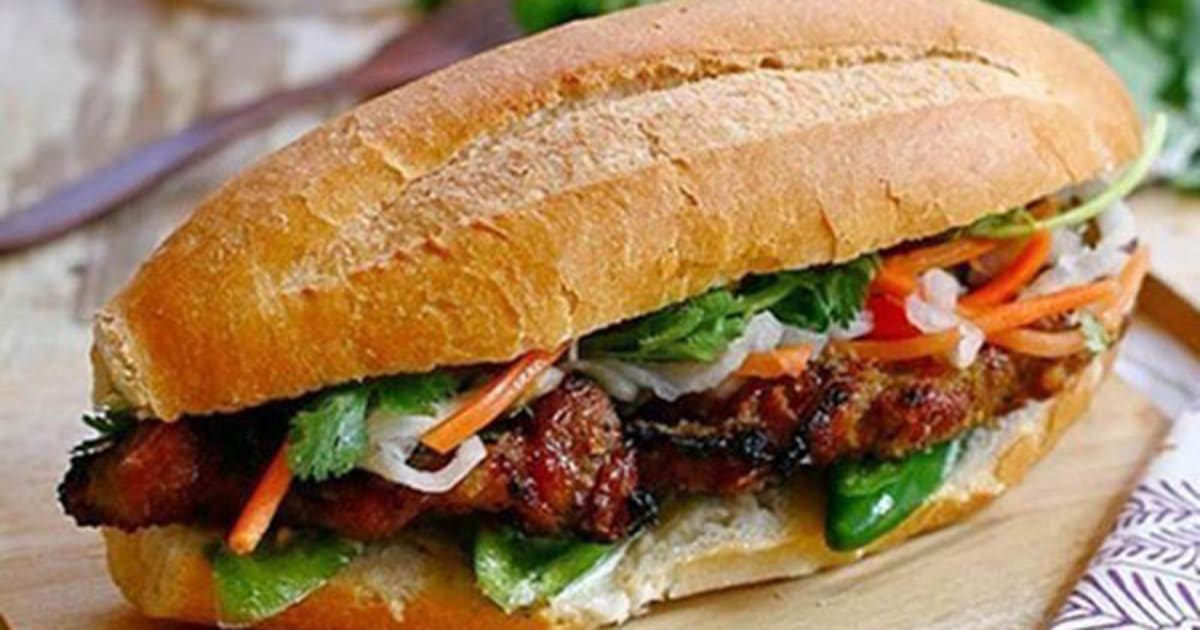
Bánh mì Sài Gòn
The southern bánh mì - a longer, crispier baguette loaded with pâté, butter, cold cuts, pickled daikon, cucumber, fresh chilli, and coriander, eaten as a quick breakfast from street carts that set up before dawn and sell out by 9am

Hủ tiếu Nam Vang
Phnom Penh-style noodle soup brought to Sài Gòn by Cambodian-Chinese immigrants - clear pork and dried squid broth with rice noodles, pork, shrimp, and quail eggs, served dry or in soup, eaten at Chinese-Vietnamese shophouse restaurants throughout Chợ Lớn

Bánh tráng trộn Sài Gòn
Shredded rice paper tossed with dried shrimp, quail eggs, green mango, fried shallots, and sa tế chilli sauce - a Sài Gòn street snack eaten at school gates and evening markets, assembled to order in a plastic bag and eaten with chopsticks while walking
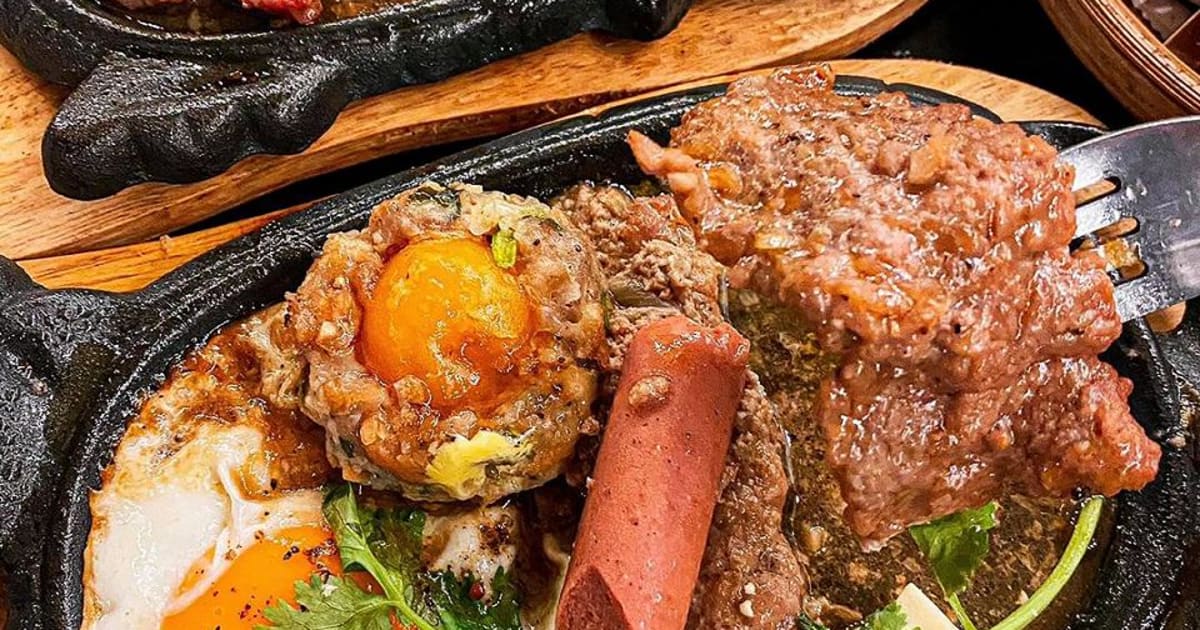
Bò né
Sizzling cast-iron skillet of pan-fried beef, fried egg, pâté, and baguette - the name comes from 'né' meaning dodge, because diners duck away from the spattering hot butter when the skillet arrives, eaten as a hearty breakfast at open-air stalls throughout Sài Gòn from 5am onwards
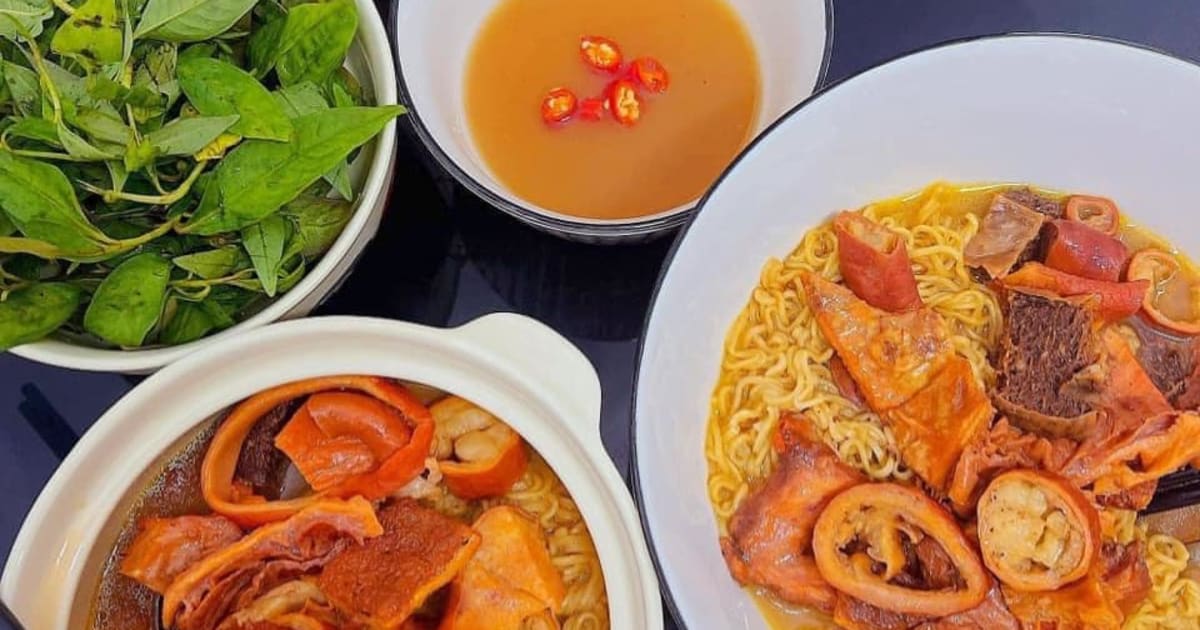
Phá lấu
Chinese-influenced braised offal in five-spice and coconut water - pork or beef intestines, tofu, and eggs slow-cooked in a fragrant mahogany broth until meltingly tender, served on a skewer with bánh mì or eaten in a bowl with fresh herbs, a Chợ Lớn Chinese street food that Sài Gòn has made completely its own

Bún thịt nướng
Rice vermicelli with charcoal-grilled lemongrass pork - served cold with fresh herbs, bean sprouts, pickled daikon, crushed peanuts, and fried spring rolls, dressed with a sweet fish sauce, a Sài Gòn lunch staple eaten at dedicated shops that grill pork continuously from morning until the meat runs out
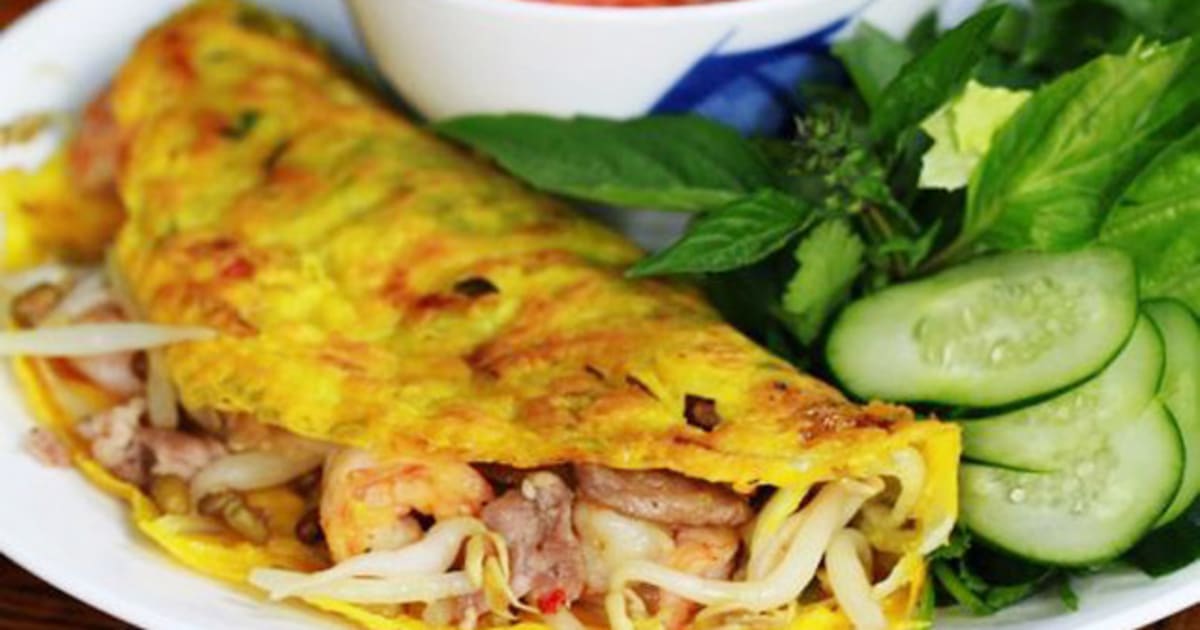
Bánh xèo
Giant sizzling rice crepe stuffed with shrimp, pork, and bean sprouts - larger and crispier than any other regional version, eaten wrapped in mustard leaf and rice paper with a sweet fish sauce, a southern Vietnamese institution best eaten at dedicated bánh xèo restaurants where the batter is ladled into enormous woks

Bột chiên
Fried rice flour cakes with egg - cubes of firm rice flour cake pan-fried in lard until crispy on all sides then cracked eggs mixed in, topped with spring onion and eaten with a sweet soy and vinegar dipping sauce, a Chợ Lớn Chinese street snack that has become one of Sài Gòn's most beloved evening foods

Cơm gà xối mỡ
Crispy fat-basted chicken rice - whole chicken repeatedly basted with hot rendered fat until the skin shatters like glass while the meat stays juicy inside, served over fragrant rice with ginger sauce and pickled vegetables, a Sài Gòn Cantonese-Vietnamese specialty eaten at dedicated shops in Chợ Lớn that have perfected the technique over generations

Bánh canh cua
Thick tapioca noodle soup with fresh crab - mud crab shells slow-simmered into a deep orange, naturally sweet broth with handmade tapioca noodles, crab meat, and fried shallots, a Sài Gòn street food eaten at specialist shops that open only in the early morning when the crab broth is freshest

Ốc
Sài Gòn's legendary snail culture - dozens of snail varieties stir-fried with lemongrass and chilli, steamed with coconut cream, or grilled with butter and spring onion, eaten at dedicated ốc restaurants that open at dusk and serve until midnight, with cold beer and the noise of the city as essential accompaniments

Bò lá lốt
Seasoned minced beef wrapped in lá lốt wild pepper leaves and grilled over charcoal - the leaf chars and releases a distinctive peppery, slightly anise-like fragrance into the meat as it cooks, eaten rolled in rice paper with fresh herbs, green mango, and cucumber then dipped in a fermented soybean and peanut sauce, a Sài Gòn nhậu staple eaten at smoky open-air grills throughout the city from dusk until midnight

Bánh tráng nướng
Grilled rice paper with egg, spring onion, dried shrimp, and chilli sauce - cooked over charcoal by street vendors on portable grills throughout Sài Gòn's alleys and night markets, the Sài Gòn version is larger and more generously topped than the Đà Lạt original, eaten folded in half while still hot

Chè
Sài Gòn's layered sweet soups - from chè thái with colourful jellies and coconut cream to chè bà ba with sweet potato and taro, eaten cold from street carts and dedicated chè shops throughout the city, the southern versions sweeter and more coconut-forward than their northern counterparts, served crushed ice as essential as the toppings