
Locations in Hà Giang · 15 found

Đồng Văn Market
Đồng Văn Sunday Market in Hà Giang province is a weekly gathering of H'Mông, Tày, Nùng, and Lô Lô communities on the Đồng Văn Karst Plateau - ethnic minority families in traditional dress trading livestock, textiles, and food including thắng cố, mèn mén, thịt trâu gác bếp, and phở gà đen. Smaller than Mèo Vạc market but a genuine community event worth timing your loop around.
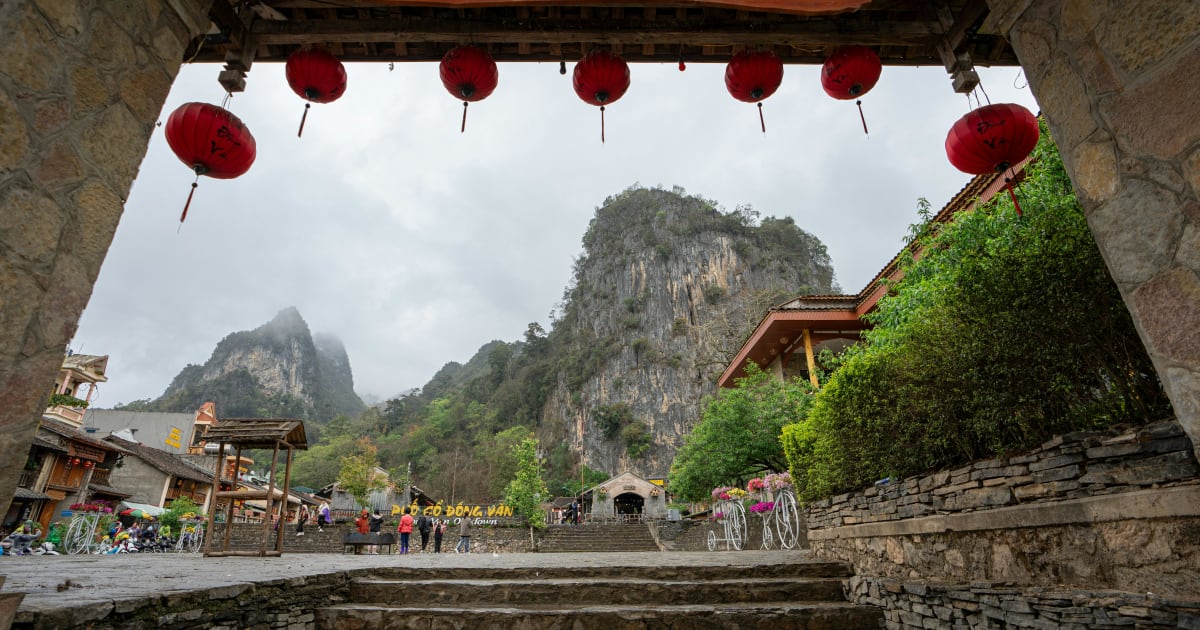
Đồng Văn Old Town
Đồng Văn Old Town - 40 preserved stone houses at the core of the UNESCO Global Geopark, on Vietnam's northernmost plateau at 1,600m. Sunday minority market at dawn, weekly Saturday-Sunday cultural nights with bonfires and dancing, and a climate that occasionally brings frost and snow in winter.

Du Già Village
Du Già is a Tày and H'mông village 70km from Hà Giang city on the eastern Ha Giang Loop - quieter and harder to reach than the main loop, with rice terraces, red silk-cotton trees lining the road, and homestays that attract travellers who want the experience over the Instagram shot.
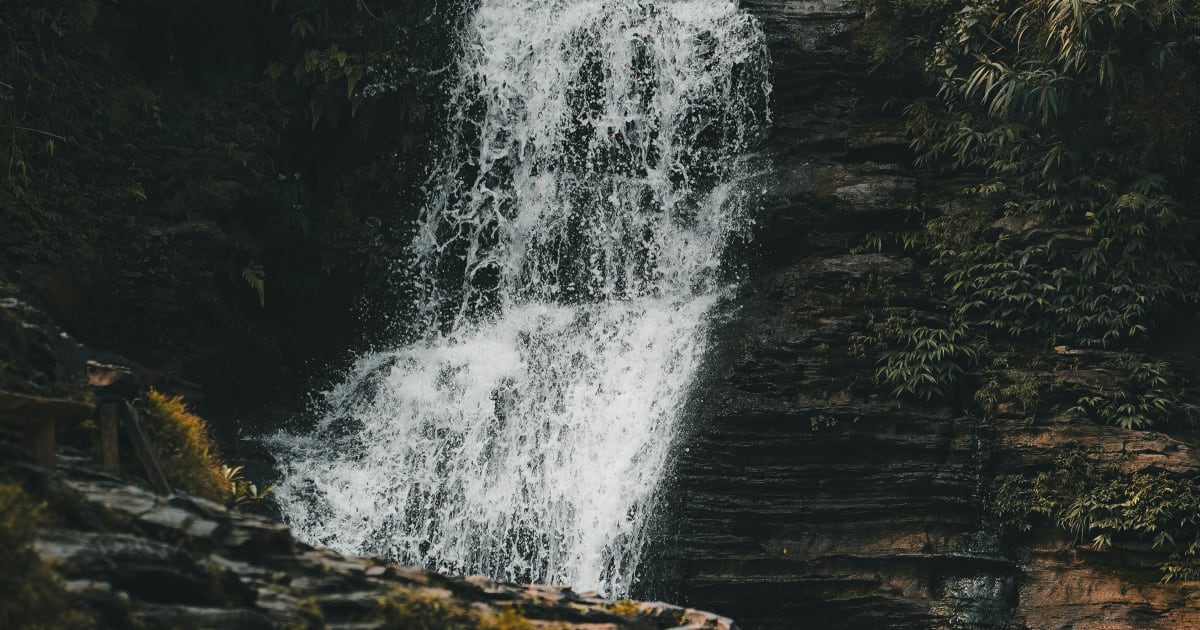
Du Già Waterfall
Du Già Waterfall (Thác Ba Tiên) is a tiered cascade in Yên Minh district on the eastern Ha Giang Loop - known locally as the Three Fairies Waterfall, with two cliff jumping levels at 3.5m and 6m and cold clear water that makes it the best place to refresh after a dusty day on the loop.

Hmong King Palace
The Hmong King Palace (Dinh thự họ Vương) in Sà Phìn, Đồng Văn is the former residence of the Vương clan - the most powerful Hmong family in colonial-era Hà Giang - a stone compound built 1898-1907 that blends Hmong, Chinese, and French architectural traditions, funded by control of the plateau's opium trade.
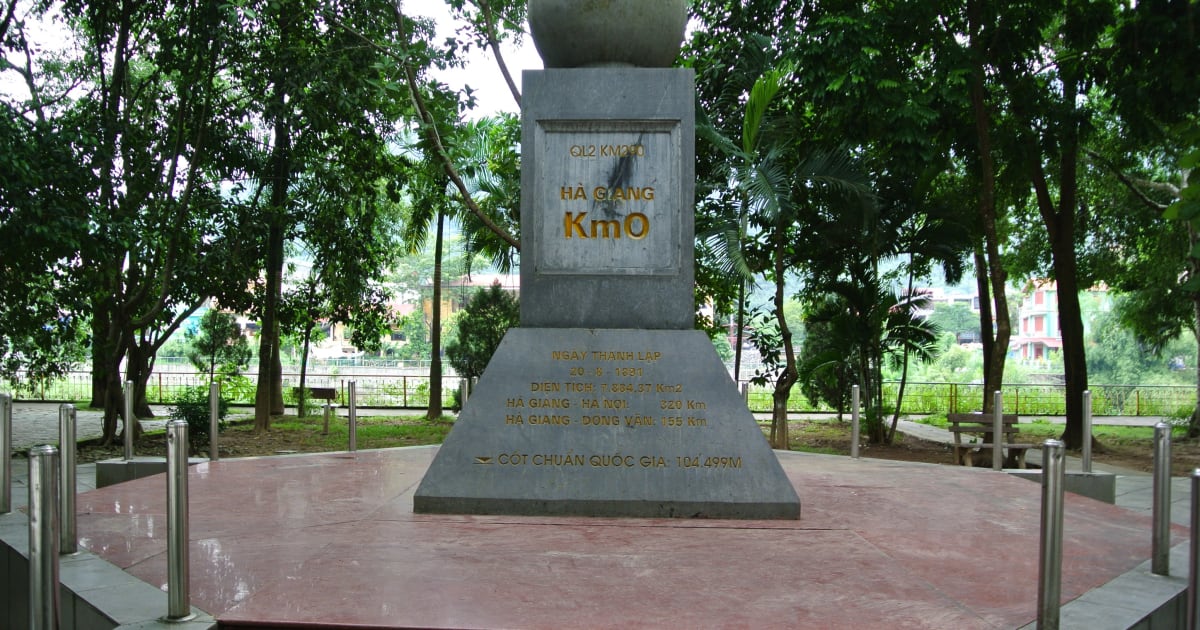
Km 0 Milestone - Hà Giang
The Km 0 milestone in Hà Giang city centre marks the symbolic starting point of the Ha Giang Loop, which heads north onto National Highway 4C toward Quản Bạ and the Đồng Văn Karst Plateau - the traditional first stop for motorbike riders before embarking on the loop, and one of the most photographed check-in spots in northern Vietnam.
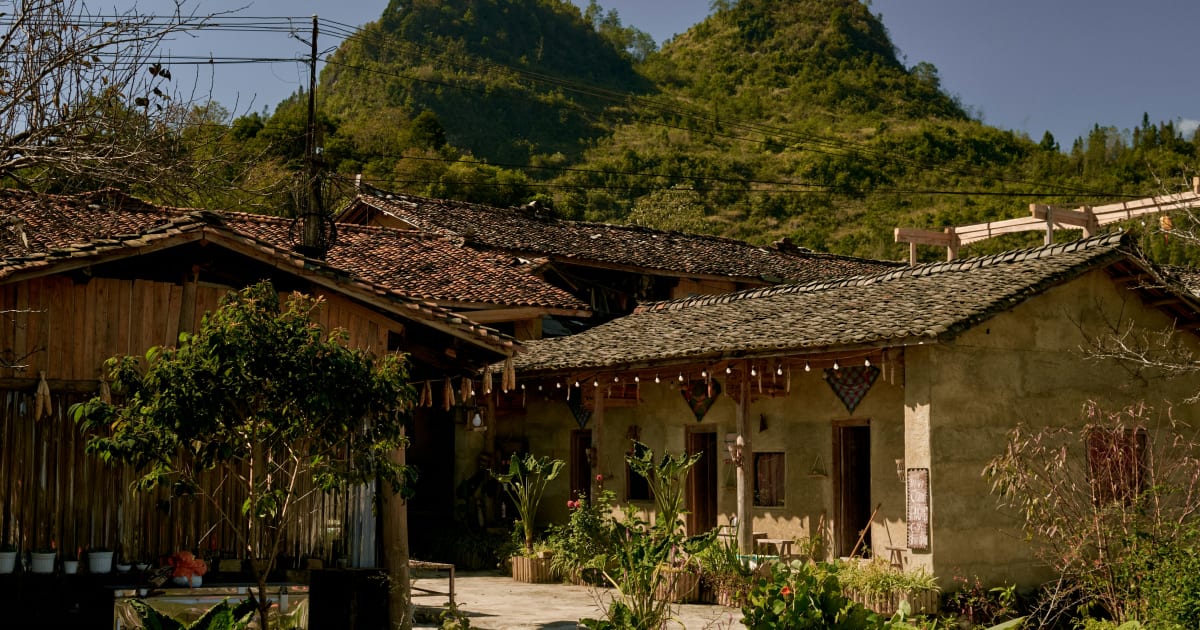
Lô Lô Chải Village
Lô Lô Chải Village, named UN Tourism's Best Tourism Village 2025, sits at the foot of Lũng Cú's Dragon Mountain near Vietnam's northernmost point - a community of Lô Lô and H'Mông families in traditional rammed-earth houses, now a global tourism success story that's also grappling with the growing pains of sudden fame.
Lũng Cú Flag Tower
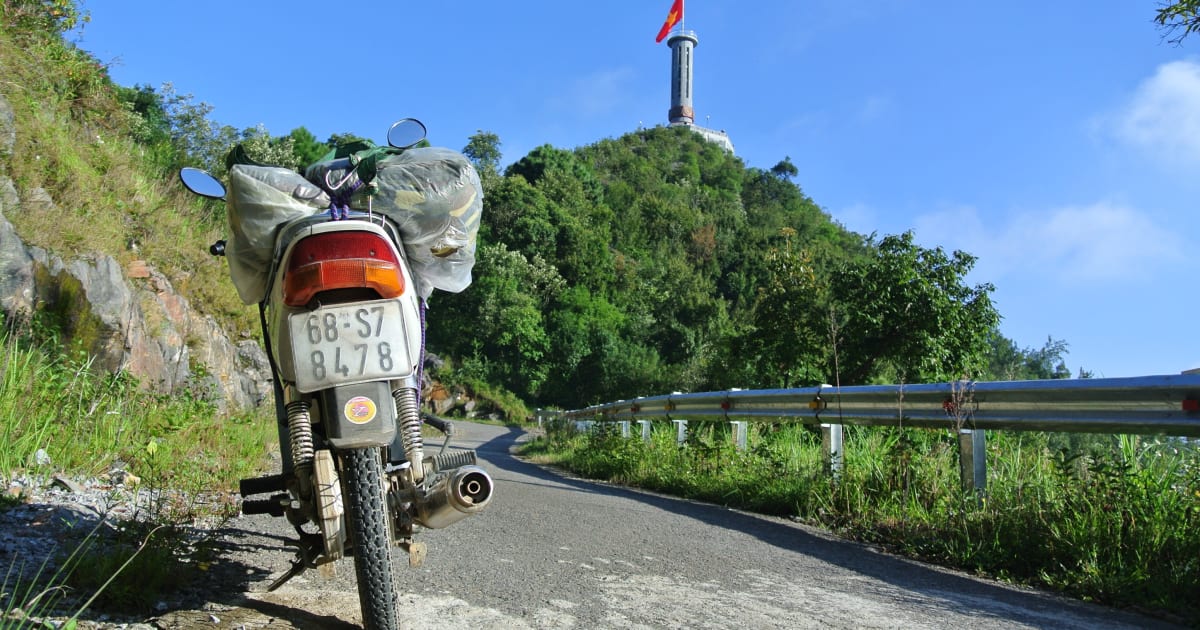
Lũng Cú Flag Tower stands on Dragon Mountain at Vietnam's symbolic northernmost point - a 33.15m octagonal tower (rebuilt 2010) flying a 54 sq metre flag for Vietnam's 54 ethnic groups, with history tracing back to Lý Thường Kiệt's first border flag. 839 steps to the summit, with China visible across the valley.
Lung Khuy Cave
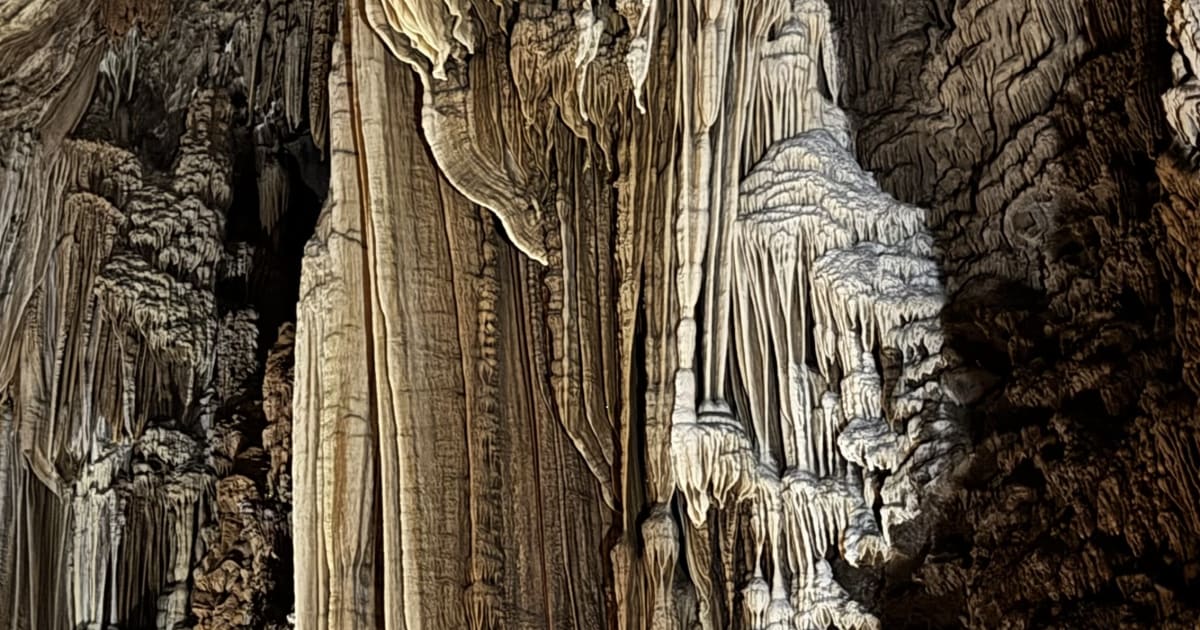
Lùng Khúy Cave in Quản Bạ is often called the most beautiful cave on the Đồng Văn Karst Plateau - a 1.2 km uphill walk from a Hmông village leads to a huge, cool chamber of stalactites and stalagmites with a boardwalk loop, a quiet, uncrowded stop on the Hà Giang Loop.
Mã Pí Lèng Pass
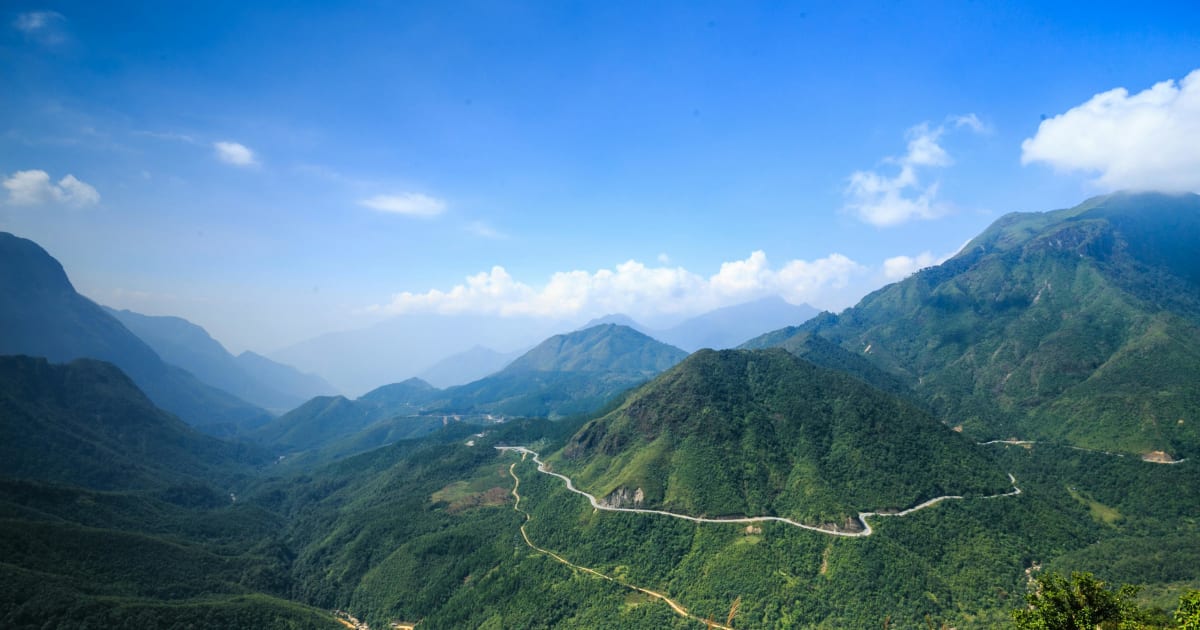
Mã Pí Lèng Pass - Vietnam's most dramatic mountain road, a 20km switchback carved into sheer limestone cliffs above the turquoise Nho Quế River canyon. Built 1959-1965 by over 2,000 workers from 16 ethnic groups who hung from ropes on the cliff faces for nearly a year.

Nho Quế River
Nho Quế River - a ribbon of impossible turquoise threading through Tu Sản Canyon, one of the deepest and most dramatic gorges in Southeast Asia - seen from above at Mã Pí Lèng Pass and explored by boat from one of two piers near Đồng Văn and Mèo Vạc.

Quản Bạ Heaven Gate
Quản Bạ Heaven Gate is the first dramatic viewpoint on the Ha Giang Loop - a mountain pass at 1,500 metres where the road crests and the entire Quản Bạ (Tam Sơn) Valley opens below, with the Twin Mountains rising from the valley floor and, in the right season, a sea of clouds filling the basin at dawn.

Quản Bạ Twin Mountains
The Quản Bạ Twin Mountains - Núi Đôi, also called Núi Cô Tiên ('Fairy Mountain') - are two symmetrical, rounded dolomite peaks rising from the Quản Bạ (Tam Sơn) Valley floor, an icon of the Ha Giang Loop tied to a well-known fairy legend.

Thẩm Mã Pass
Thẩm Mã Pass (also called Dốc Chín Khoanh, the 'nine-bend slope') is a dramatic, historically named mountain pass on Highway 4C between Yên Minh and Đồng Văn on the Hà Giang Loop - one of the route's most famous photo stops, which also means it's one of its most crowded, especially during the Sep-Nov buckwheat flower season.
Yên Minh Pine Forest
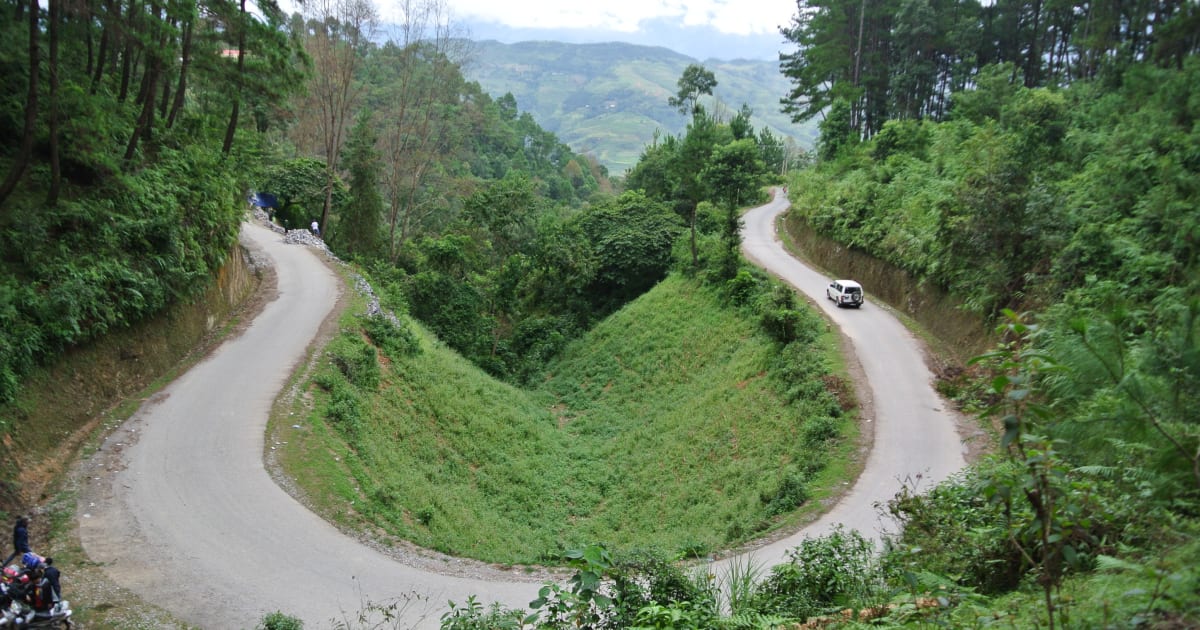
The Yên Minh Pine Forest is an unexpected stretch of man-made highland pine on the Ha Giang Loop, spanning Na Khê, Lao Và Chải, and Bạch Đích communes along Highway 4C - dense Pinus kesiya forest at around 1,200 metres, with morning mist threading between the trees and a completely different atmosphere from the surrounding karst landscape. Note: at the Cán Tỷ bridge fork before Yên Minh, only the longer 41km route passes through the forest - the shorter 22.6km route bypasses it entirely.
Local Food You Must Try

Thắng cố
Traditional H'Mông stew of horse or buffalo offal simmered for hours with spices in a communal cauldron - pungent, rich, and deeply warming, eaten at highland Sunday markets with corn wine

Mèn mén
Steamed corn flour crumbles - the staple food of H'Mông families for centuries, eaten plain or with vegetable soup, with a slightly sweet, nutty taste unique to the highland corn varieties grown here

Cháo ấu tẩu
Rice porridge cooked with ấu tẩu - a toxic highland tuber that must be boiled repeatedly to neutralise - producing a thick, slightly numbing broth that H'Mông people drink to warm up on cold mountain nights

Rêu nướng
River moss wrapped around lemongrass and wild herbs then grilled over charcoal until crispy - a Tày and H'Mông delicacy harvested from clean mountain streams, with an earthy, mineral flavour unlike any vegetable dish in the lowlands

Xôi ngũ sắc
Five-colour sticky rice coloured naturally with forest leaves and flowers - red, yellow, green, purple, and white - steamed in bamboo baskets by Tày women for festivals and market days, as beautiful to look at as it is to eat

Bánh cuốn Đồng Văn
Steamed rice rolls from Đồng Văn ancient town - thinner and more delicate than the lowland version, filled with pork and wood-ear mushroom and served with a tangy dipping sauce, eaten at tiny stalls inside the old stone quarter

Lợn cắp nách nướng
Small free-range pig roasted whole over wood fire - so called because farmers carry the tiny pigs under their arms to market, the meat is lean, clean, and intensely flavourful

Thịt trâu gác bếp
Buffalo meat dried and smoked above the hearth for weeks - deeply chewy and intensely smoky, seasoned with mắc khén and wild ginger, torn by hand and eaten with sticky rice or corn wine at H'Mông homestays along the loop