Menu
Destinations→Locations→Blog→Map→About→

Ha Giang

A 350km mountain loop through karst, passes and minority villages

motorcycling · adventure · nature · culture · trekking

Solo Friendly · Adventure · Challenging · Budget

Province
Ha Giang
Stay
3-5 days for the full loop (4 is ideal)
Transport
By motorbike - the loop is the destination. A semi-automatic (Honda Wave/Blade, Yamaha Sirius) is the usual loop bike; avoid small scooters like the Vision with a passenger, they struggle on the climbs. Choose a well-maintained bike over the cheapest one and check brakes, tyres and lights before you leave. If you're not confident on mountain passes or don't have a valid licence, go with an Easy Rider or by car. Don't ride the passes after about 7pm, and don't trust Google Maps blindly on back roads - ask your homestay.
Ha Giang

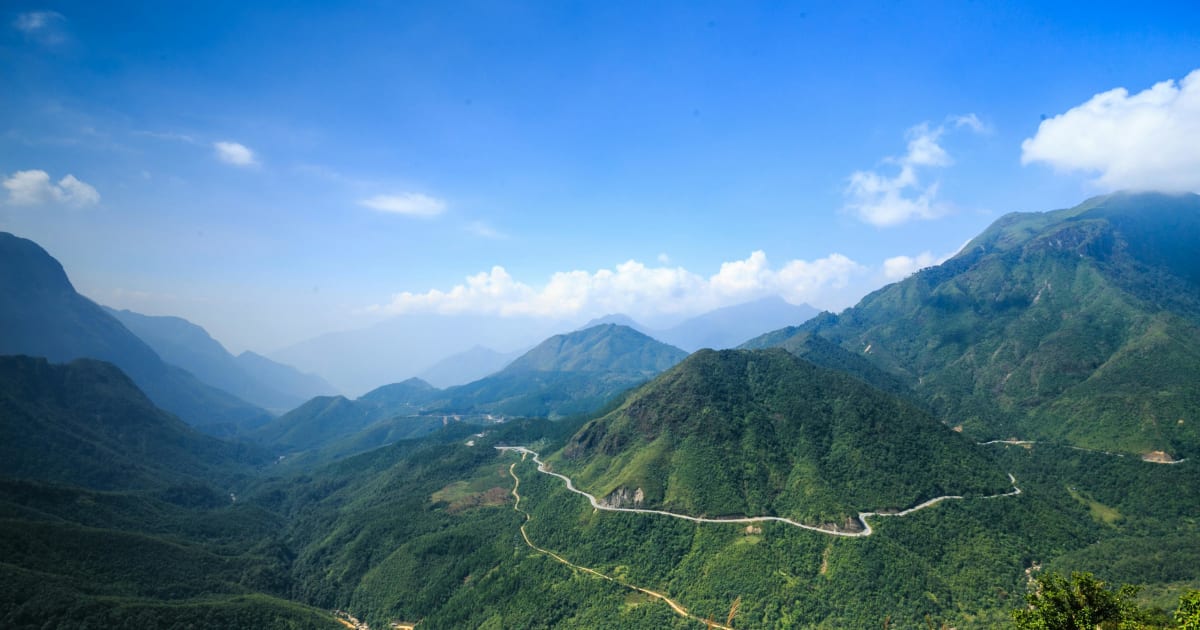
The Ha Giang Loop is a motorbike route of about 350km through Vietnam's far north and the Dong Van Karst Plateau UNESCO Global Geopark - limestone passes, H'Mong and Lo Lo villages, buckwheat fields in autumn, and the Nho Que River canyon below Ma Pi Leng Pass, one of the deepest gorges in Southeast Asia. Ha Giang city is the starting point; the loop runs through Quan Ba, Yen Minh, Dong Van and Meo Vac, then back via Mau Due and Du Gia. Ride it yourself if you're confident on mountain roads, or sit behind a local Easy Rider - either way, go slow: this isn't a place to rush between photo stops.

Climate

80035°60030°40025°20020°015°mm°CJanFebMarAprMayJunJulAugSepOctNovDec
Monthly climate averages for Ha Giang
MonthAvg temp (°C)Rainfall (mm)Rainy days (≥1 mm)
January15.64011.4
February17.23910.4
March20.46512.0
April24.110614.8
May26.729517.9
June27.743020.8
July27.854524.1
August27.641521.5
September26.524115.6
October23.915413.5
November20.38410.1
December16.9428.3
Data: long-term station averages from the Vietnam Institute for Building Science and Technology (IBST). Rainy days as reported by the station. Station: Ha Giang city station (low valley). The Dong Van plateau on the loop is much colder, especially Dec-Feb.

Best Months to Visit

Best time
Oct-Nov is peak season: buckwheat flowers on the plateau and dry, clear days - book ahead. Sep has golden rice terraces around Hoang Su Phi and Quan Ba. Jan-Feb brings yellow mustard and peach and plum blossom with fewer crowds, but the plateau is cold, often foggy and can drop near freezing. Mar-Apr is mild and clear. Jun-Aug is the wettest period, with landslides and slippery roads; May is when the terraced fields fill with water.
  1. H'Mông, Tày, Nùng, and Lô Lô communities in traditional dress - the market doubles as a social gathering where young people meet and couples find each otherĐồng Văn Market
  2. Thắng cố (horse meat stew) and mèn mén (steamed corn cake) - H'Mông dishes specific to the Đồng Văn plateauĐồng Văn Market
  3. Livestock section and side streets beyond the central hall are the most interesting partsĐồng Văn Market
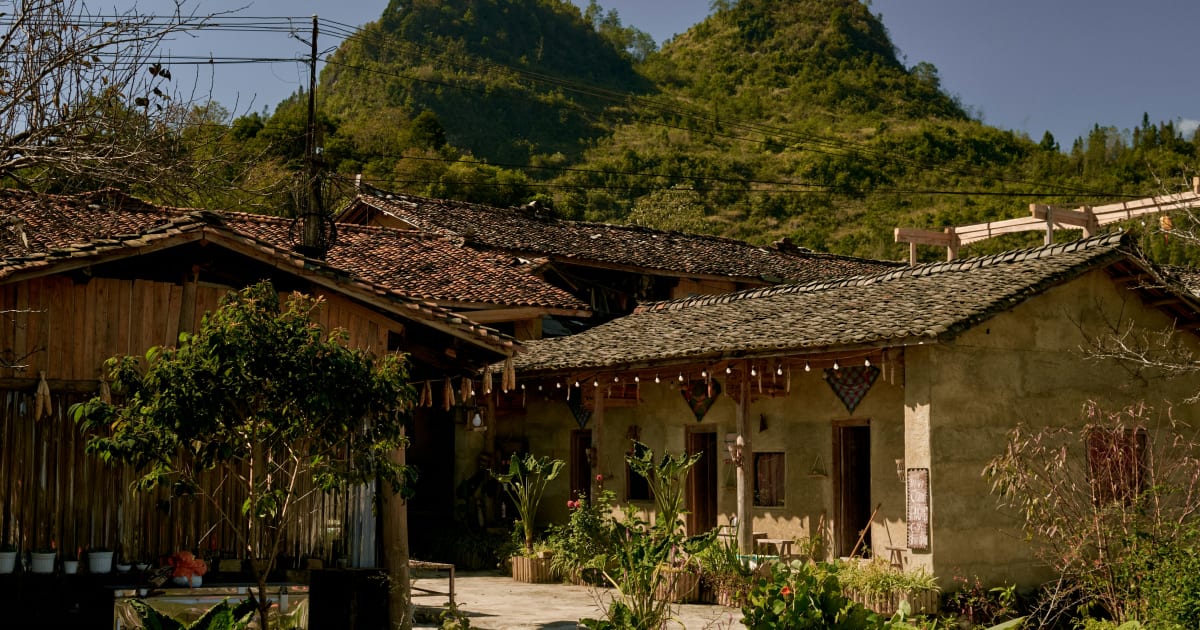
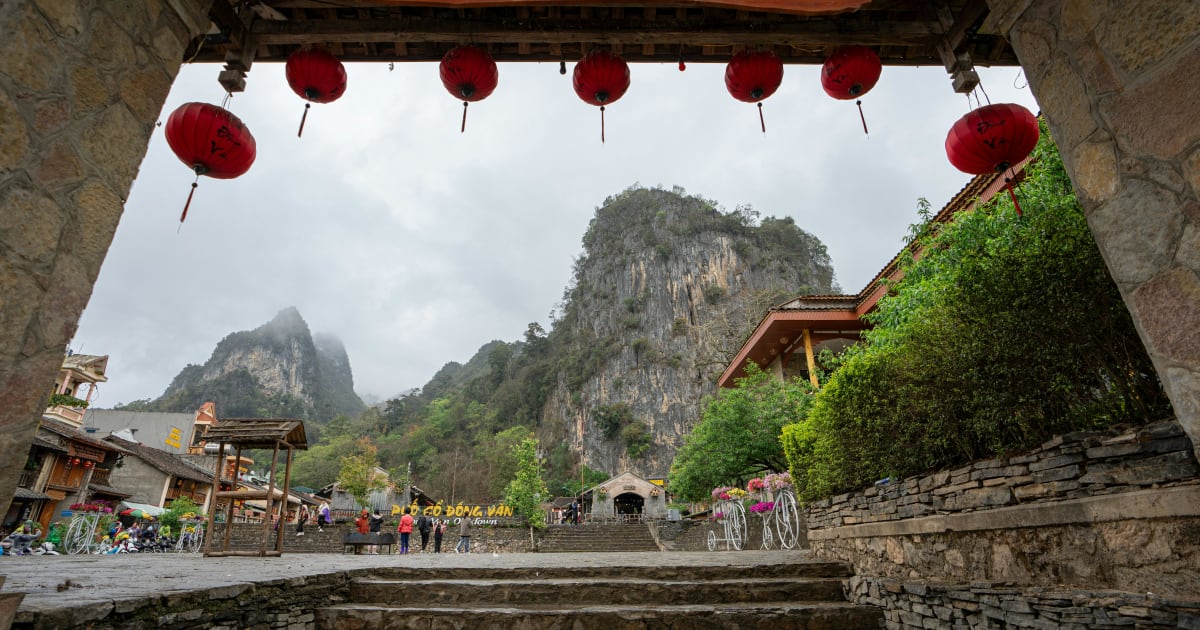
  4. 40 surviving stone houses from the early 20th century - rammed-earth walls, yin-yang tile roofs, stone courtyardsĐồng Văn Old Town
  5. Saturday and Sunday evening cultural nights: bonfires, music, and dancing from around 8 PM - viral on Vietnamese social mediaĐồng Văn Old Town
  6. Sunday dawn market where Kinh, Tày, Nùng, and Lô Lô communities trade - one of the most genuine minority markets in the northĐồng Văn Old Town
  7. Quiet Tày and H'mông village on the eastern loop - less visited than the western circuit, harder to reach, genuinely off the tourism trailDu Già Village
  8. Rice terraces at multiple elevations around the valley, best in October–November alongside blooming buckwheat flowersDu Già Village
  9. Some of the best homestay hospitality on the Ha Giang Loop - Tày families known for warmth, local food, and corn wineDu Già Village
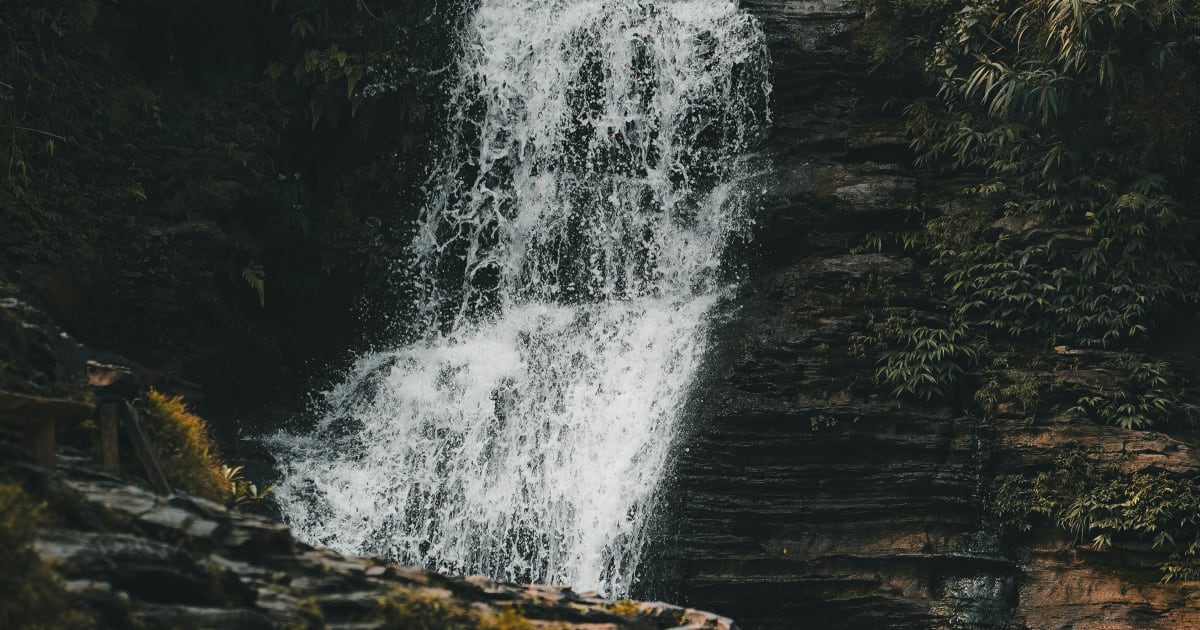
  10. Cliff jumping at two levels: 3.5m (lower) and 6m (upper) - popular with foreign visitors since 2023Du Già Waterfall

Nature & Outdoors

  • Trekking
  • Cycling
  • Swimming
  • Hiking
  • Kayaking
  • Camping

Culture & History

  • Culture
  • History
  • Photography
  • Walking Tour
  • Homestay

Activities & Adventure

  • Motorcycling

Chill & Relax

  • Boat Tour

Food & Local Life

  • Markets
  • Food
3D2N

Fast loop - highlights only

Day 1Ha Giang → Quan Ba → Yen Minh → Lung Cu (night in Lo Lo Chai)~160km

Ha GiangQuản Bạ Heaven GateQuản Bạ Twin MountainsYên Minh Pine ForestThẩm Mã PassHmong King PalaceLũng Cú Flag TowerLô Lô Chải Village

The longest day - leave by 7am and keep stops short. Quan Ba Heaven Gate and the Twin Mountains first, lunch in Yen Minh, then Tham Ma Pass and the Hmong King Palace (7:30am-5pm, 20,000-25,000 VND). Reach Lung Cu Flag Tower (8am-5pm, 25,000 VND) before it closes and sleep in Lo Lo Chai, the farthest point of the loop - try a night in a traditional rammed-earth Lo Lo house. Don't ride the passes after about 7pm.

Day 2Lo Lo Chai → Dong Van → Ma Pi Leng Pass → Nho Que River → Meo Vac~60km

Đồng Văn Old TownMã Pí Lèng PassNho Quế River

The best day of the loop. Dong Van Old Town in the morning - if it's Sunday, the market is busiest 7-10am. Then Ma Pi Leng Pass at your own pace, stopping at every viewpoint. For the Nho Que boat, don't search "Nho Que River" on Google Maps (it sends you toward Cao Bang) - search "Tu San" and follow the main road, not forest tracks. The boat is about 150,000 VND per person including the shuttle down to the pier (2026); aim to be there by 4pm. Night in Meo Vac.

Day 3Meo Vac → Mau Due → Du Gia → Ha Giang~150km

Meo VacMau DueDu Già VillageDu Già WaterfallHa Giang

Early start - the Meo Vac to Mau Due stretch has a lot of potholes. Lunch in Du Gia, a quiet Tay village in a river valley, and a swim at Du Gia Waterfall if the weather allows. Back in Ha Giang by late afternoon for the night bus to Hanoi.

4D3N

Standard loop - recommended

Day 1Ha Giang → Quan Ba → Yen Minh~100km

Ha GiangQuản Bạ Heaven GateQuản Bạ Twin MountainsLung Khuy CaveYên Minh Pine ForestYen Minh

Relaxed first day to get used to the bike. Quan Ba Heaven Gate for the first big view over the Twin Mountains, then Lung Khuy Cave just beyond them (30,000-50,000 VND, about 1-2 hours with the walk up - go in daylight). Afternoon through the Yen Minh Pine Forest, a stretch of highland pine that changes the whole atmosphere. Night in Yen Minh.

Day 2Yen Minh → Tham Ma → Hmong King Palace → Lung Cu (night in Lo Lo Chai)~80km

Yen MinhThẩm Mã PassHmong King PalaceLũng Cú Flag TowerLô Lô Chải Village

Tham Ma Pass as the plateau opens up - some children here push flowers and hair braiding for money (see FAQ). Hmong King Palace (Vuong Family Mansion) at Sa Phin, then Lung Cu Flag Tower near Vietnam's northernmost point. Sleep in Lo Lo Chai below the tower, ideally in a rammed-earth Lo Lo house - the Lo Lo culture is found in very few places.

Day 3Lo Lo Chai → Dong Van → Ma Pi Leng Pass → Meo Vac~60km

Đồng Văn Old TownMã Pí Lèng PassNho Quế River

Short in distance, biggest in impact. Morning in Dong Van Old Town (Sunday market 7-10am). Ma Pi Leng Pass slowly, with every viewpoint. Nho Que boat from the Tu San pier - search "Tu San" on Google Maps, not "Nho Que River" - about 150,000 VND per person including the shuttle (2026). Night in Meo Vac; off the passes before dark.

Day 4Meo Vac → Mau Due → Du Gia → Ha Giang~150km

Meo VacMau DueDu Già VillageDu Già WaterfallHa Giang

Early start - potholes between Meo Vac and Mau Due. Lunch in Du Gia and a swim at the waterfall if it's warm. Back in Ha Giang by late afternoon.

Đồng Văn Market
Market

Đồng Văn Market

Đồng Văn Sunday Market in Hà Giang province is a weekly gathering of H'Mông, Tày, Nùng, and Lô Lô communities on the Đồng Văn Karst Plateau - ethnic minority families in traditional dress trading livestock, textiles, and food including thắng cố, mèn mén, thịt trâu gác bếp, and phở gà đen. Smaller than Mèo Vạc market but a genuine community event worth timing your loop around.

Oct - Mar
Đồng Văn Old Town
Town

Đồng Văn Old Town

Đồng Văn Old Town - 40 preserved stone houses at the core of the UNESCO Global Geopark, on Vietnam's northernmost plateau at 1,600m. Sunday minority market at dawn, weekly Saturday-Sunday cultural nights with bonfires and dancing, and a climate that occasionally brings frost and snow in winter.

Mar - Apr, Sep - Nov
Du Già Village
Village

Du Già Village

Du Già is a Tày and H'mông village 70km from Hà Giang city on the eastern Ha Giang Loop - quieter and harder to reach than the main loop, with rice terraces, red silk-cotton trees lining the road, and homestays that attract travellers who want the experience over the Instagram shot.

Oct - May
Du Già Waterfall
Waterfall

Du Già Waterfall

Du Già Waterfall (Thác Ba Tiên) is a tiered cascade in Yên Minh district on the eastern Ha Giang Loop - known locally as the Three Fairies Waterfall, with two cliff jumping levels at 3.5m and 6m and cold clear water that makes it the best place to refresh after a dusty day on the loop.

Jun - Aug
Hmong King Palace
Palace

Hmong King Palace

The Hmong King Palace (Dinh thự họ Vương) in Sà Phìn, Đồng Văn is the former residence of the Vương clan - the most powerful Hmong family in colonial-era Hà Giang - a stone compound built 1898-1907 that blends Hmong, Chinese, and French architectural traditions, funded by control of the plateau's opium trade.

Year-round
Km 0 Milestone - Hà Giang
Monument

Km 0 Milestone - Hà Giang

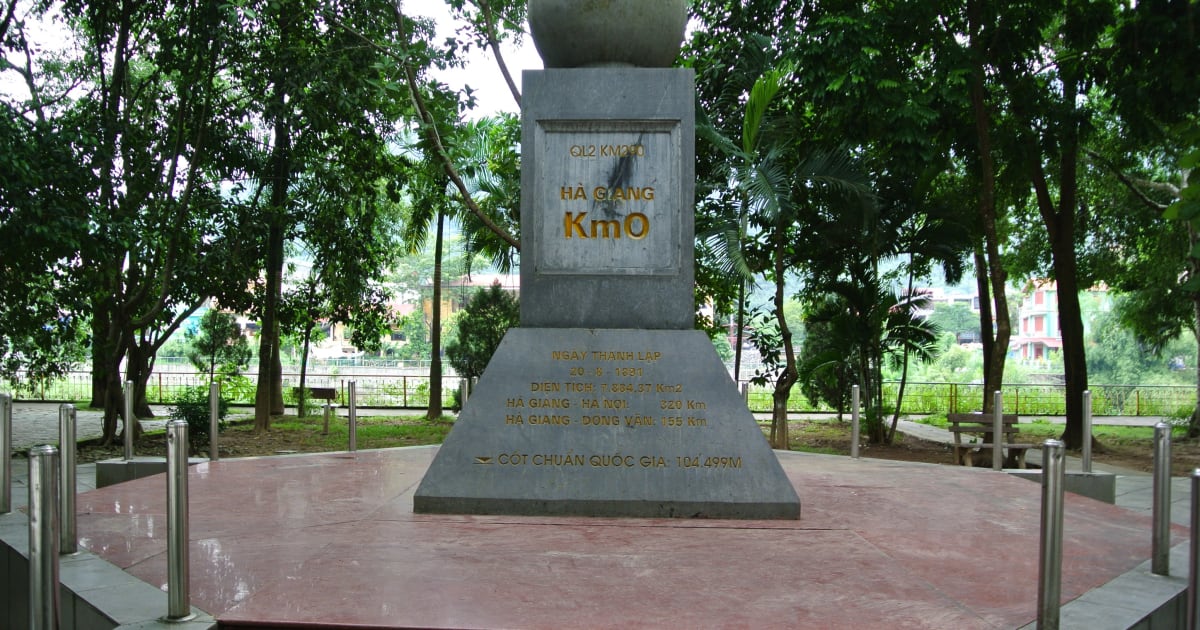
The Km 0 milestone in Hà Giang city centre marks the symbolic starting point of the Ha Giang Loop, which heads north onto National Highway 4C toward Quản Bạ and the Đồng Văn Karst Plateau - the traditional first stop for motorbike riders before embarking on the loop, and one of the most photographed check-in spots in northern Vietnam.

Year-round
Lô Lô Chải Village
Village

Lô Lô Chải Village

Lô Lô Chải Village, named UN Tourism's Best Tourism Village 2025, sits at the foot of Lũng Cú's Dragon Mountain near Vietnam's northernmost point - a community of Lô Lô and H'Mông families in traditional rammed-earth houses, now a global tourism success story that's also grappling with the growing pains of sudden fame.

Mar - Apr, Oct - Dec
Lũng Cú Flag Tower
Monument

Lũng Cú Flag Tower

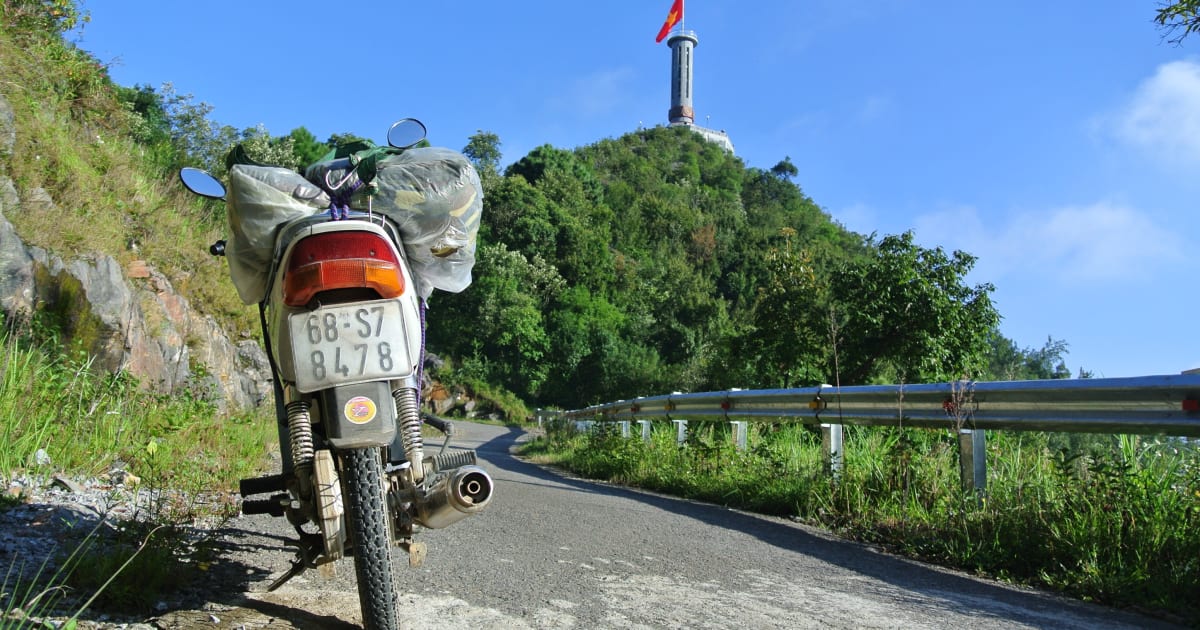
Lũng Cú Flag Tower stands on Dragon Mountain at Vietnam's symbolic northernmost point - a 33.15m octagonal tower (rebuilt 2010) flying a 54 sq metre flag for Vietnam's 54 ethnic groups, with history tracing back to Lý Thường Kiệt's first border flag. 839 steps to the summit, with China visible across the valley.

Mar - Nov
Lung Khuy Cave
Cave

Lung Khuy Cave

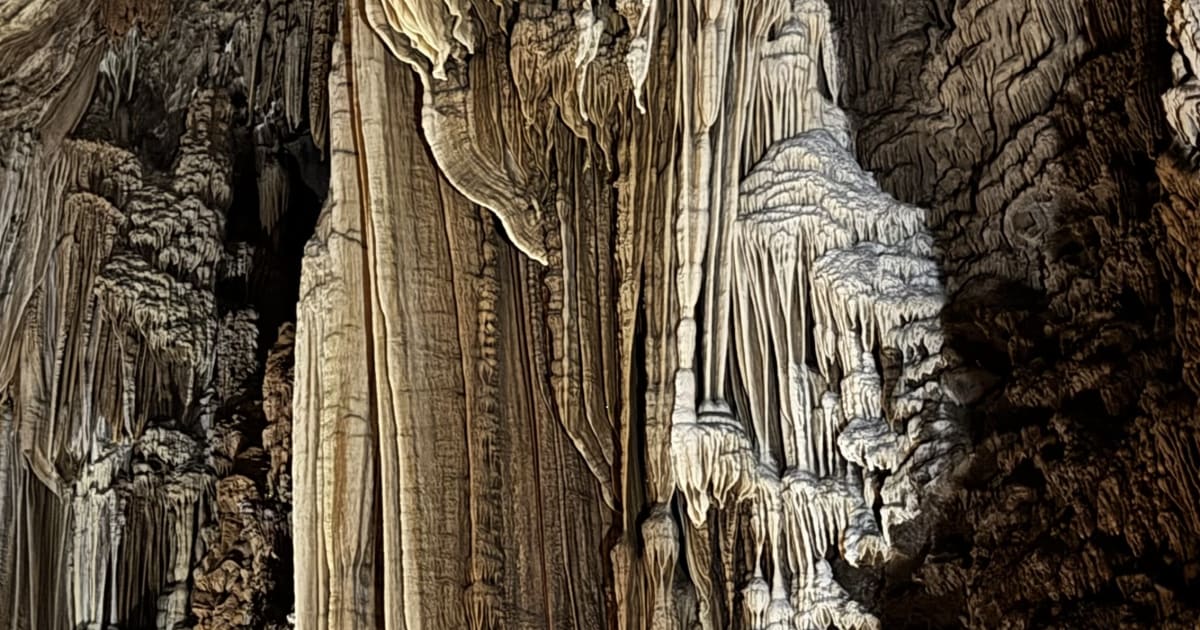
Lùng Khúy Cave in Quản Bạ is often called the most beautiful cave on the Đồng Văn Karst Plateau - a 1.2 km uphill walk from a Hmông village leads to a huge, cool chamber of stalactites and stalagmites with a boardwalk loop, a quiet, uncrowded stop on the Hà Giang Loop.

Year-round
Mã Pí Lèng Pass
Mountain Pass

Mã Pí Lèng Pass

Mã Pí Lèng Pass - Vietnam's most dramatic mountain road, a 20km switchback carved into sheer limestone cliffs above the turquoise Nho Quế River canyon. Built 1959-1965 by over 2,000 workers from 16 ethnic groups who hung from ropes on the cliff faces for nearly a year.

Mar - Apr, Sep - Nov
Nho Quế River
River

Nho Quế River

Nho Quế River - a ribbon of impossible turquoise threading through Tu Sản Canyon, one of the deepest and most dramatic gorges in Southeast Asia - seen from above at Mã Pí Lèng Pass and explored by boat from one of two piers near Đồng Văn and Mèo Vạc.

Sep - Apr
Quản Bạ Heaven Gate
Mountain Pass

Quản Bạ Heaven Gate

Quản Bạ Heaven Gate is the first dramatic viewpoint on the Ha Giang Loop - a mountain pass at 1,500 metres where the road crests and the entire Quản Bạ (Tam Sơn) Valley opens below, with the Twin Mountains rising from the valley floor and, in the right season, a sea of clouds filling the basin at dawn.

Aug - Apr
Quản Bạ Twin Mountains
Mountain

Quản Bạ Twin Mountains

The Quản Bạ Twin Mountains - Núi Đôi, also called Núi Cô Tiên ('Fairy Mountain') - are two symmetrical, rounded dolomite peaks rising from the Quản Bạ (Tam Sơn) Valley floor, an icon of the Ha Giang Loop tied to a well-known fairy legend.

Sep - Apr
Thẩm Mã Pass
Mountain Pass

Thẩm Mã Pass

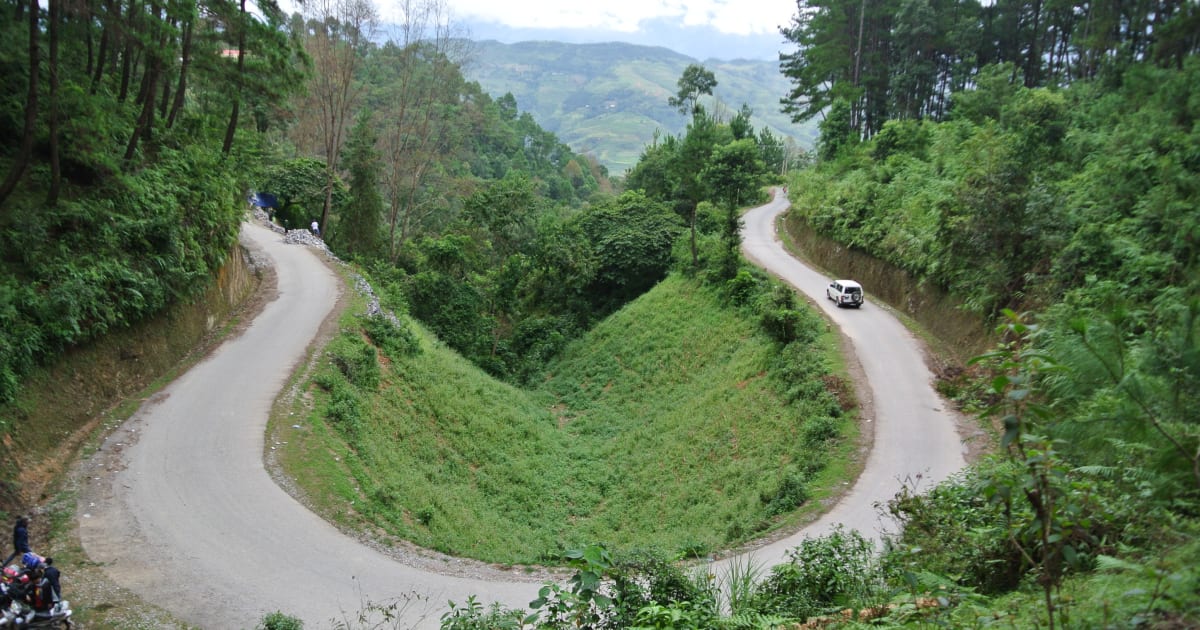
Thẩm Mã Pass (also called Dốc Chín Khoanh, the 'nine-bend slope') is a dramatic, historically named mountain pass on Highway 4C between Yên Minh and Đồng Văn on the Hà Giang Loop - one of the route's most famous photo stops, which also means it's one of its most crowded, especially during the Sep-Nov buckwheat flower season.

Mar - Apr, Sep - Nov
Yên Minh Pine Forest
Forest

Yên Minh Pine Forest

The Yên Minh Pine Forest is an unexpected stretch of man-made highland pine on the Ha Giang Loop, spanning Na Khê, Lao Và Chải, and Bạch Đích communes along Highway 4C - dense Pinus kesiya forest at around 1,200 metres, with morning mist threading between the trees and a completely different atmosphere from the surrounding karst landscape. Note: at the Cán Tỷ bridge fork before Yên Minh, only the longer 41km route passes through the forest - the shorter 22.6km route bypasses it entirely.

Mar - Apr, Sep - Nov
Hanoibus
6-7 hours200,000-350,000 VND

Sleeper buses and limousine vans leave almost hourly from My Dinh, Luong Yen, Yen Nghia and Gia Lam bus stations. Overnight buses arrive early in the morning, ready to pick up a bike and start the loop. Most drop off near the rental shops in Ha Giang city.

Hanoimotorbike
8-10 hoursPetrol only

Experienced riders only - about 300km before the loop even starts. Some rental shops let you drop the bike back in Hanoi for a fee instead.

Motorbike

150,000-250,000 VND/day (semi-automatic); 380,000-650,000 VND/day (manual clutch, e.g. Honda XR150)

Most shops include a helmet and raincoat, and ask for a passport rather than a cash deposit. Foreign riders need a valid licence (see FAQ). Some shops let you drop the bike in Dong Van, Meo Vac or even Hanoi for a fee.

Listed for reference - we're not affiliated. Compare reviews before you book.

Checked Sep 2026

Scooter

about 200,000 VND/day

An automatic like the Honda Air Blade 125 is fine for one rider; with a passenger, take a semi-automatic or manual instead.

Checked Sep 2026

  • 112Emergency (all services)
  • 113Police
  • 114Fire and rescue
  • 115Ambulance

Free from any phone. National emergency line since 2025, routes to police, fire or ambulance.

Yes. Foreign visitors need a border-area permit for the districts along the loop - about 10 USD. Police checkpoints can turn you back or fine you without it, and homestays also register your stay with the local police. If you book a tour or an Easy Rider, they usually arrange it. Travelling independently, get it yourself at the Immigration Office in Ha Giang city, 415 Tran Phu (ward Ha Giang 2) the day before you ride - bring your passport.

Explore the region

North Vietnam

View all destinations →