
Locations in Hà Nội · 22 found
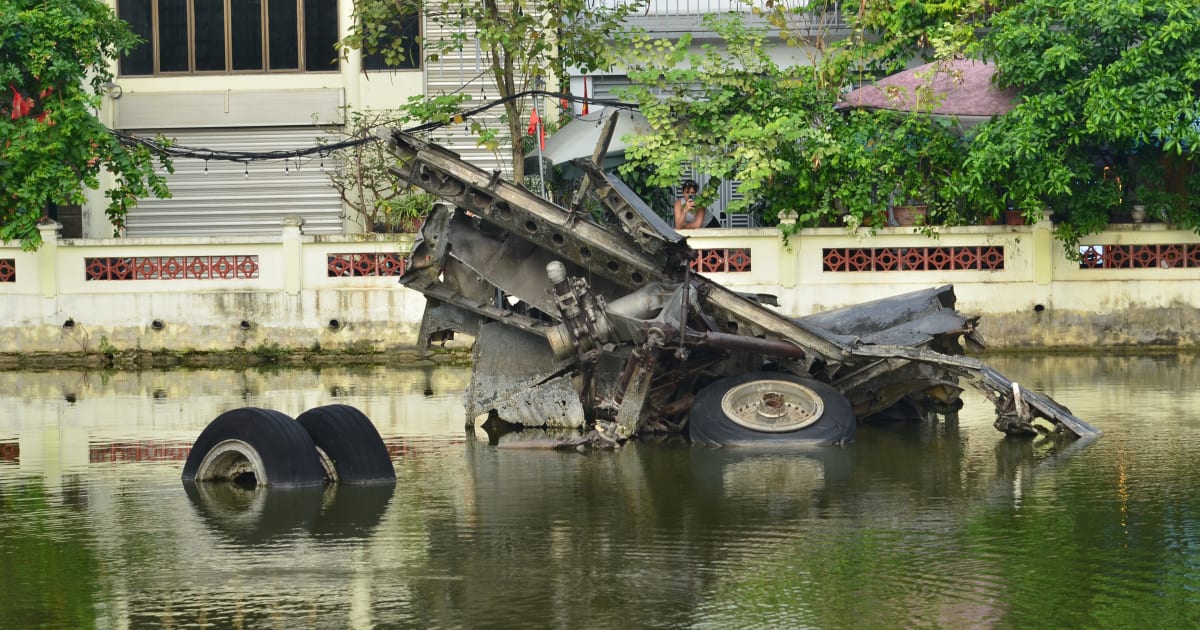
B52 Wreck - Hữu Tiệp Lake
The B52 wreck at Hữu Tiệp Lake in Hanoi's Ngọc Hà neighbourhood is one of the most striking remnants of the 1972 Christmas Bombing campaign - the fuselage of a downed US B-52 Stratofortress still partially submerged in a small residential lake, surrounded by houses.
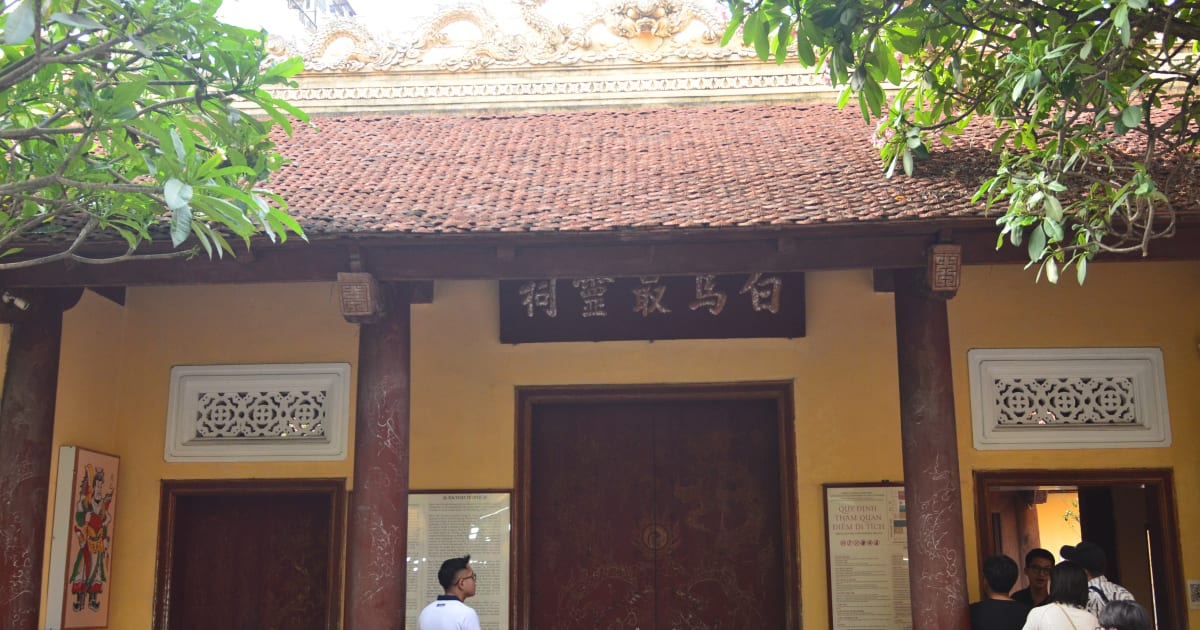
Bach Ma Temple
Bach Ma Temple (Đền Bạch Mã) on Hàng Buồm street in Hanoi's Old Quarter is one of the Thăng Long Tứ Trấn - the four guardian temples of the old citadel - dedicated to Long Đỗ, the tutelary spirit of ancient Hanoi, and tied to the legendary white horse said to have marked the path of the city walls when Lý Thái Tổ founded Thăng Long in 1010.
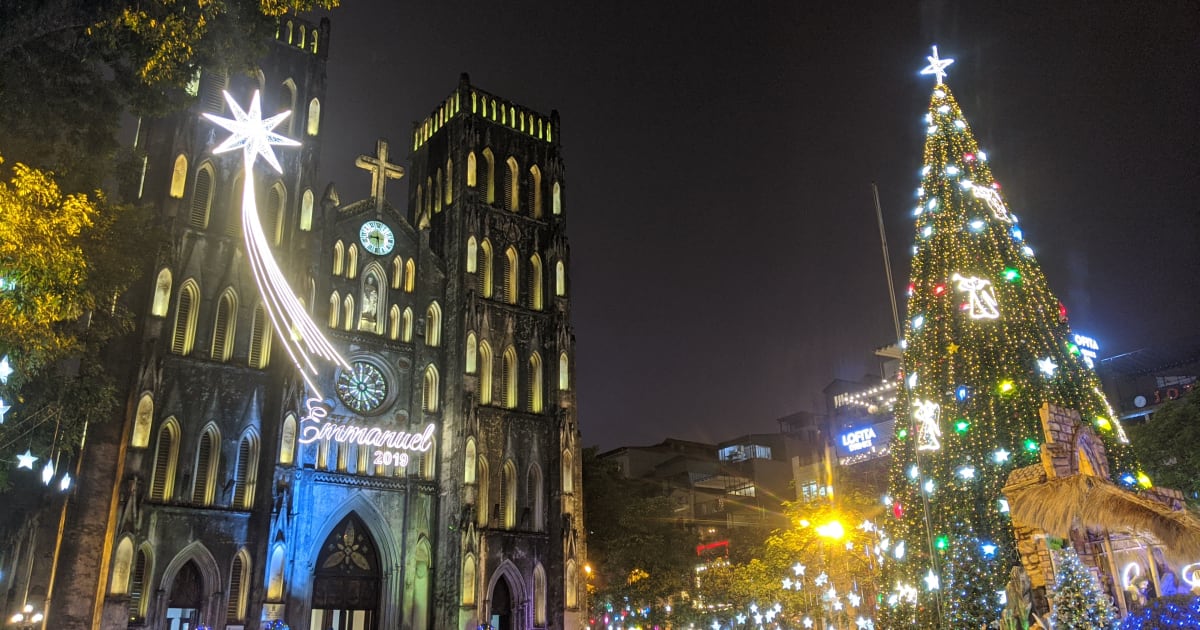
Hanoi St. Joseph's Cathedral
Hanoi St. Joseph's Cathedral is a neo-Gothic French colonial church built between 1884 and 1886 at the heart of the Old Quarter - the oldest church in Hanoi and one of the earliest Western-style buildings in Vietnam, its twin 31.5-metre towers a defining landmark of central Hanoi.

Hanoi Old Quarter
Hanoi's Old Quarter is a dense 36-street merchant district dating to the 13th century where each street historically traded a single craft - today it remains the commercial and cultural heart of the capital, with narrow lanes, ancient tube houses, street food, and the best urban walking in Vietnam.

Hanoi Train Street
Hanoi Train Street is a narrow residential alley where a working railway line passes within centimetres of cafes and houses - one of Hanoi's most photographed spots. Two sections: Old Quarter (5 Trần Phú, livelier, more atmospheric) and South Side (210 Lê Duẩn, calmer, easier to find a seat).
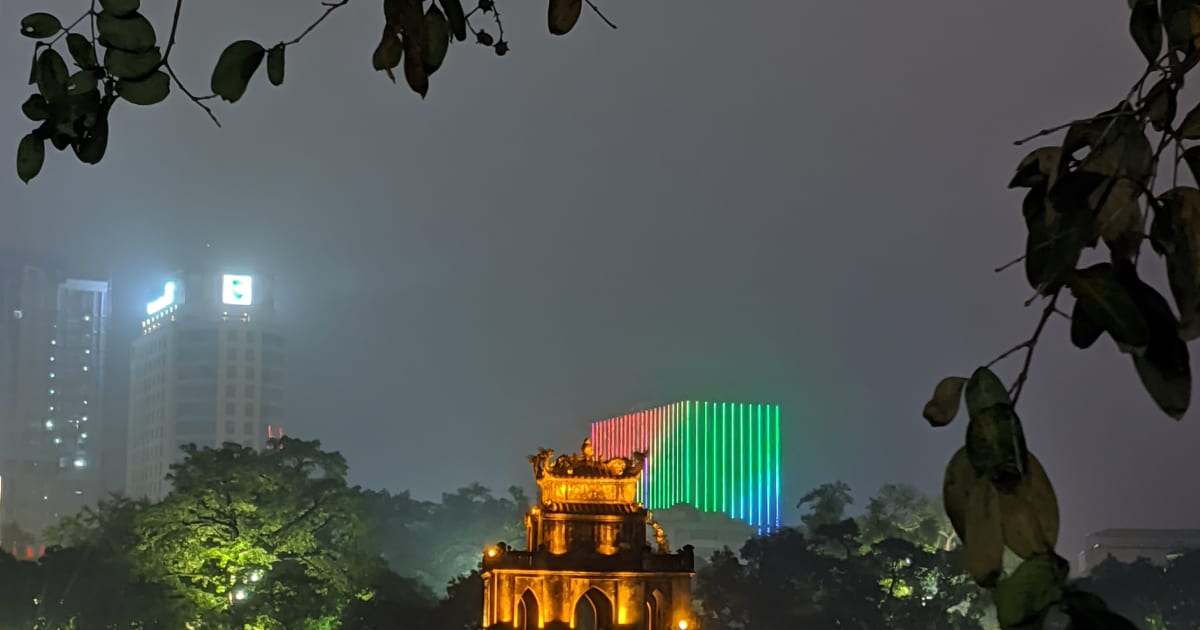
Hoan Kiem Lake
Hoan Kiem Lake is the symbolic heart of Hanoi - a 12-hectare lake in the Old Quarter named for the legend of Emperor Lê Lợi returning a magic sword to a golden turtle. Home to the Turtle Tower (built 1886, not ancient) and Ngọc Sơn Temple, surrounded by a weekend pedestrian zone filled with street life.
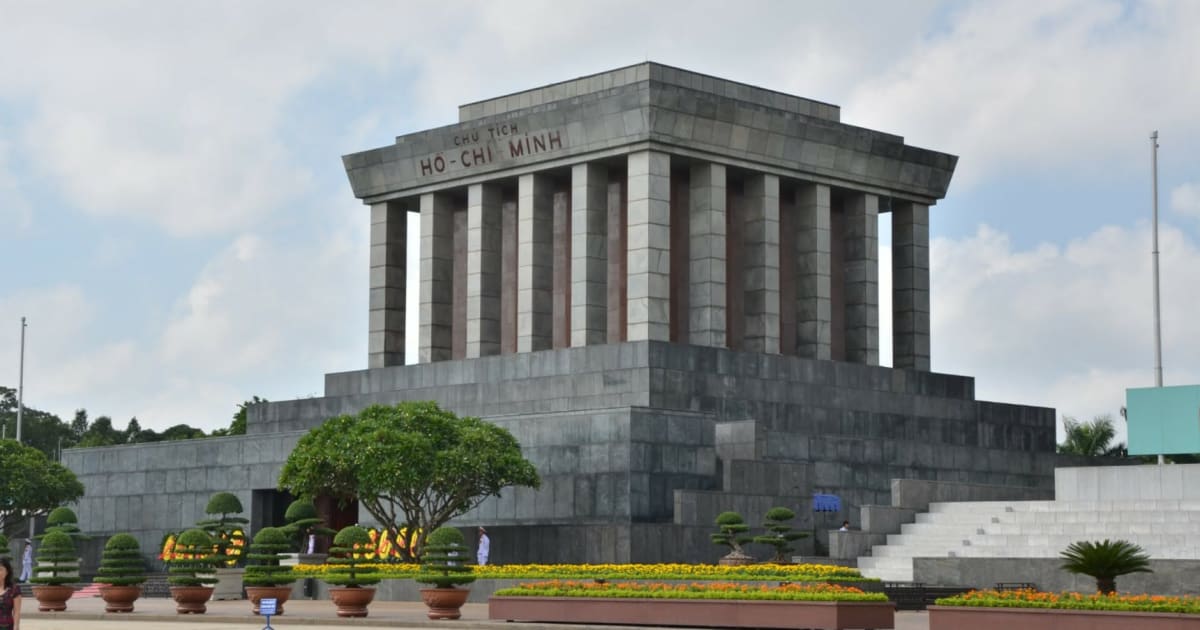
Ho Chi Minh Mausoleum Complex
The Ho Chi Minh Mausoleum Complex in Hanoi's Ba Dinh Square contains the preserved body of Vietnam's founding leader, alongside his former residence, presidential palace, and museum - the most significant political pilgrimage site in Vietnam. Note that the mausoleum closes annually for several weeks of maintenance, typically in autumn.

Hoa Lo Prison
Hoa Lo Prison - nicknamed the 'Hanoi Hilton' by American POWs - is a preserved French colonial prison in central Hanoi, used to incarcerate Vietnamese political prisoners before 1954 and American pilots during the Vietnam War. One of Hanoi's most historically significant sites.

Imperial Citadel of Thang Long
The Imperial Citadel of Thang Long in Hanoi is a UNESCO World Heritage Site and the former political centre of Vietnam for over 1,300 years - a layered archaeological complex spanning dynasties from the 7th century to the 20th century, with underground excavations, restored palace foundations, and a unique night tour experience.

Kim Lien Temple
Kim Lien Temple (Đình Kim Liên), also known as Đền Cao Sơn, is the southern guardian of the Thăng Long Tứ Trấn - the four sacred temples of old Thăng Long (Hanoi) - dedicated to Cao Sơn Đại Vương, and the youngest of the four, rebuilt in its present form in 1509.

Long Bien Bridge
Long Bien Bridge is Hanoi's iconic colonial-era steel bridge across the Red River, built by the Daydé & Pillé firm and completed in 1902 - still in active use by trains, motorcycles, and pedestrians more than 120 years after construction.

Ngoc Son Temple
Ngoc Son Temple is a 19th-century Taoist and Buddhist temple on a small island in Hoan Kiem Lake, reached via the iconic red Huc Bridge and housing a preserved specimen of the giant soft-shell turtle central to Hanoi's founding legend.
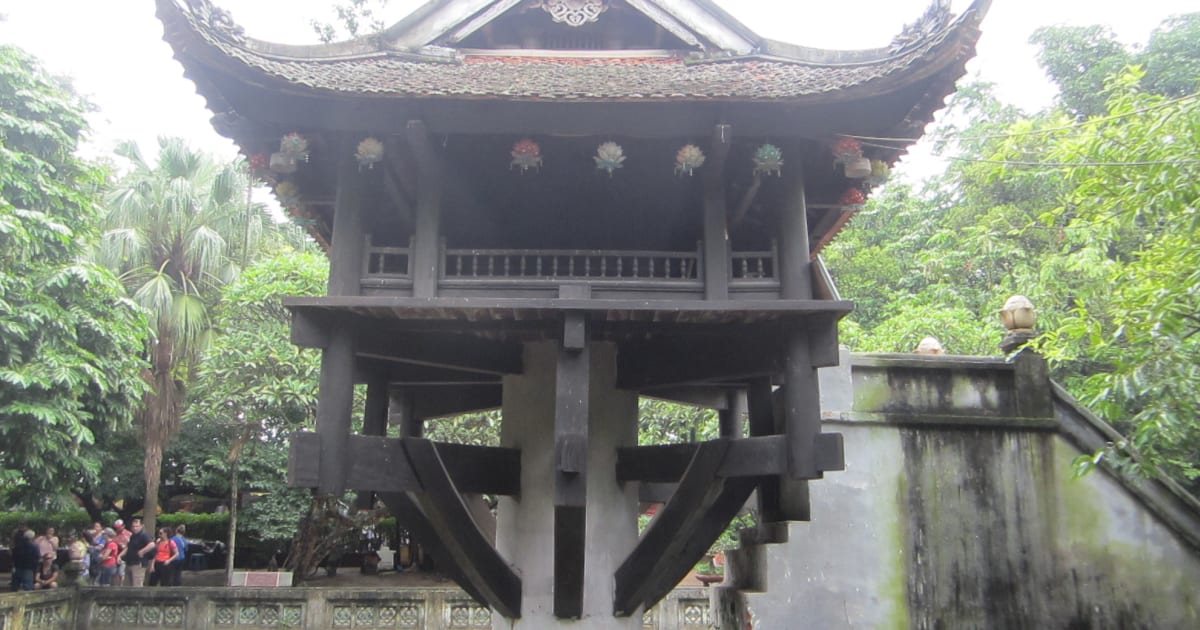
One Pillar Pagoda
The One Pillar Pagoda is one of Vietnam's most iconic structures - an 11th-century lotus-shaped Buddhist shrine rising from a square pond in central Hanoi, built by Emperor Lý Thái Tông and regarded as a symbol of the Vietnamese capital.
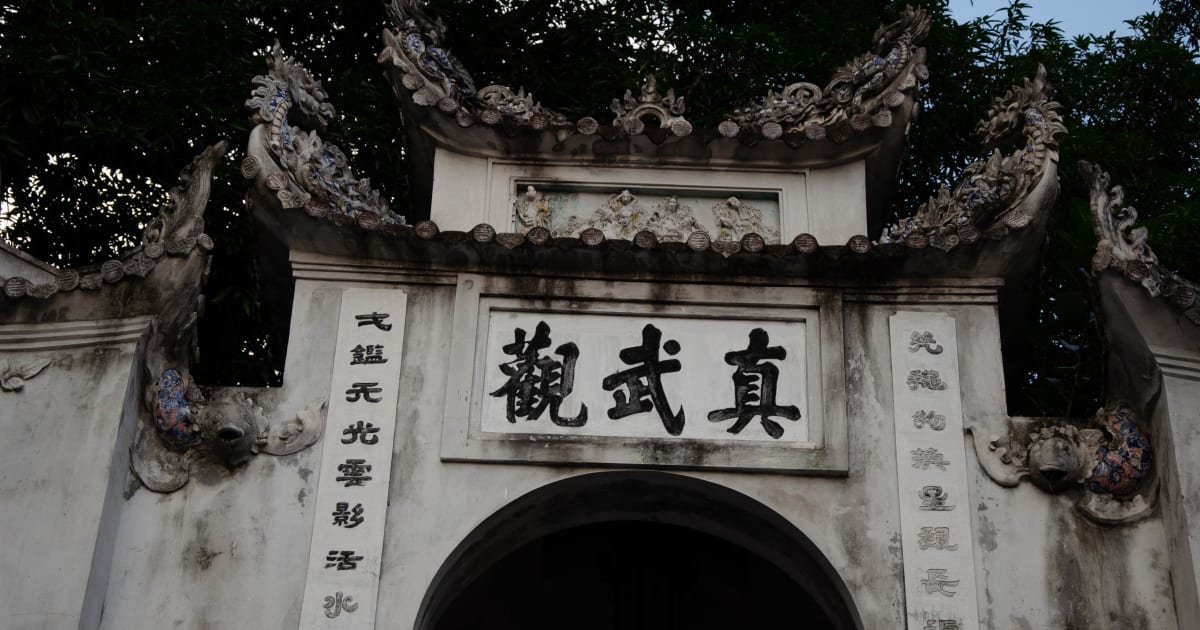
Quan Thanh Temple
Quan Thanh Temple (Đền Quán Thánh), formally Trấn Vũ Quán (鎮武觀), is the northern guardian of the Thăng Long Tứ Trấn - the four sacred temples of old Thăng Long (Hanoi) - dedicated to the Taoist deity Huyền Thiên Trấn Vũ, right beside West Lake, and home to one of Hanoi's largest bronze statues, cast in 1677.

Ta Hien Street
Ta Hien Street is Hanoi's most famous nightlife street in the Old Quarter - a narrow lane with colonial-era roots packed with bia hơi (fresh draft beer) stalls, street food vendors, and bars where locals and travellers share plastic stools on the pavement every evening.

Tây Phương Pagoda
Tây Phương Pagoda sits on Câu Lâu hill 40km west of Hanoi and contains dozens of remarkable wooden Buddhist statues from the 18th century (sources cite anywhere from about 60 to 76), including a set of 18 Arhat figures recognised as a National Treasure - some of the finest examples of traditional Vietnamese sculpture, carved with an expressiveness that sets them apart from anything else in the country.

Temple of Literature
The Temple of Literature in Hanoi is Vietnam's best-preserved example of traditional Vietnamese architecture - a Confucian temple complex built in 1070 that served as the country's first university for over 700 years, with five courtyards of pavilions, ponds, and stone steles recording the names of doctoral graduates.

Tran Quoc Pagoda
Tran Quoc Pagoda is Hanoi's oldest Buddhist pagoda, dating to the 6th century AD and situated on a small peninsula in West Lake - its 11-tier lotus stupa rising above the water is one of the most recognised images in Vietnamese Buddhism.

Vietnam Military History Museum
Vietnam Military History Museum - one of Vietnam's seven national museums - reopened at its new Thang Long Boulevard location in November 2024, covering 386,600 square meters of indoor galleries and outdoor displays tracing Vietnamese military history from ancient dynasties through the American War.

Vietnam Museum of Ethnology
The Vietnam Museum of Ethnology in Hanoi documents all 54 officially recognised ethnic groups through indoor galleries and a 2-hectare outdoor village of full-scale reconstructed traditional houses - the most comprehensive ethnology museum in Vietnam, with a water puppet show on weekends.

Voi Phuc Temple
Voi Phuc Temple (Đền Voi Phục), formally Đền Voi Phục Thủ Lệ, is the western guardian of the Thăng Long Tứ Trấn - the four sacred temples of old Thăng Long (Hanoi) - dedicated to Linh Lang Đại Vương and named for the two stone elephants kneeling at its gate. It's the largest and grandest of the four, next to Thủ Lệ Park. Note: don't confuse it with the separate, unrelated Đền Voi Phục Thụy Khuê elsewhere in Hanoi.
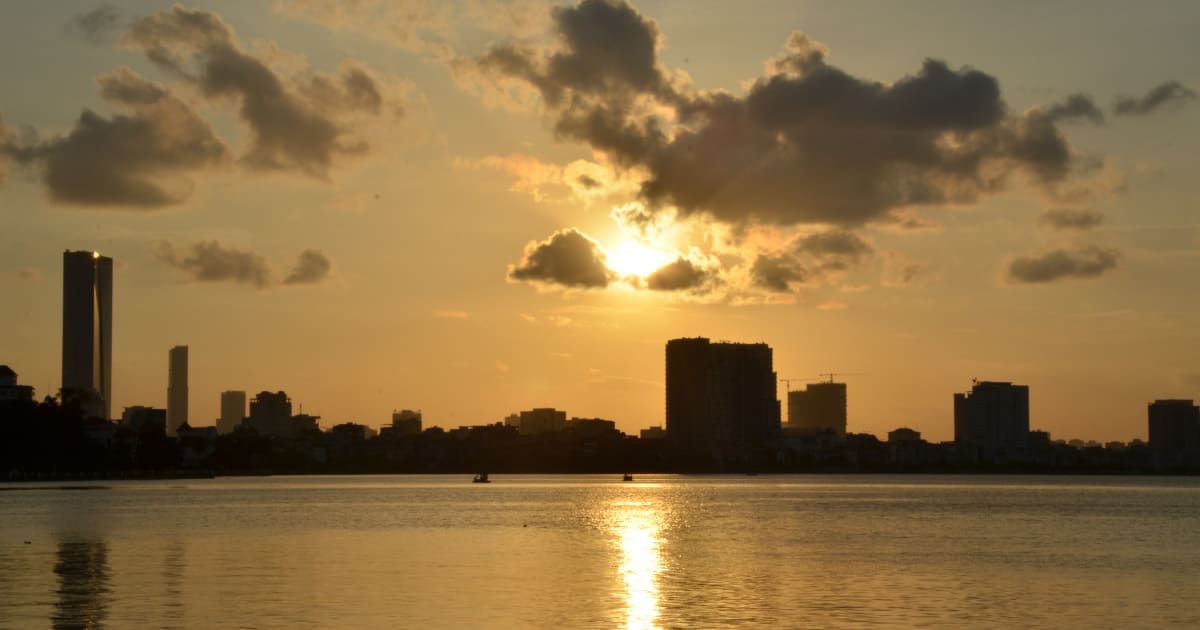
West Lake
West Lake is Hanoi's largest lake - a 500-hectare expanse in the Tây Hồ district ringed by upscale cafes, ancient pagodas, seafood restaurants, and a 17km cycling path that offers the most pleasant outdoor escape within the city limits.
Local Food You Must Try

Phở Hà Nội
The original pho - clear bone broth simmered for hours, flat rice noodles, thinly sliced beef, and just ginger and charred onion for aromatics, served with minimal garnish unlike the southern version

Bún thang
Delicate Hà Nội noodle soup with shredded chicken, pork floss, silky egg crepe strips, and dried shrimp in a clear chicken broth - traditionally made after Tết to use up leftover meats, finished with a drop of mắm tôm

Bún chả
Grilled pork patties and belly over charcoal served with cold rice vermicelli, fresh herbs, and a tangy dipping broth - Hà Nội's most iconic lunch dish, eaten only at midday at smoky street stalls

Bún đậu mắm tôm
Rice vermicelli with fried tofu, pork cuts, and fermented shrimp paste - eaten communally on a wooden tray, the pungent mắm tôm mixed with lime and chilli ties everything together, a Hà Nội street food institution

Bún riêu cua
Tomato and crab paste noodle soup - field crab pounded into a paste that forms fluffy dumplings in a tangy tomato broth, topped with fried tofu, pork, and shrimp paste, a Hà Nội breakfast staple

Bún ốc nguội
Rice vermicelli with freshwater snails in a sour, turmeric-tinged broth - the snails are chewy and briny, the broth sharp with vinegar and tomato, eaten at tiny women-run stalls in Hà Nội's Old Quarter since the French colonial era

Chè lam
Chewy glutinous rice candy with ginger and peanuts - a traditional Hà Nội sweet sold at temple fairs and Tết markets, sticky and warming with a sharp ginger bite that lingers

Ngan cháy tỏi
Muscovy duck crisped in hot oil and showered with fried garlic - the skin shatters like a chip while the meat stays juicy, a Hà Nội specialty eaten at family restaurants in the Old Quarter with steamed rice and pickled vegetables

Chả cá Lã Vọng
Turmeric-marinated snakehead fish fried tableside with dill and spring onion in a sizzling pan - served over vermicelli with roasted peanuts and shrimp paste, so iconic it gave its name to an entire street in Hà Nội's Old Quarter

Nem rán
Northern fried spring rolls - smaller and crispier than the southern chả giò, filled with pork, crab, glass noodles, and wood-ear mushroom, wrapped in thin rice paper and fried to a golden crunch, dipped in sweet and sour nước chấm

Kem Tràng Tiền
Soft-serve ice cream from the legendary Tràng Tiền parlour on Hoan Kiem Lake - a Hà Nội institution since the 1950s, eaten while walking along the lake at dusk, available in coconut, durian, and green bean flavours

Xôi khúc
Sticky rice balls coated in powdered khúc leaves and filled with mung bean paste and pork fat - a cold-weather Hà Nội breakfast sold by women carrying baskets through the Old Quarter at dawn, with an earthy green colour and fragrant herbal taste

Bánh cuốn Thanh Trì
The thinnest steamed rice rolls in Vietnam, made in Thanh Trì village since the 15th century - served without filling, just a paper-thin sheet of rice flour topped with dried shrimp and fried shallot oil, eaten cold with nem chua

Chả rươi
Omelette made with rươi - a seasonal polychaete worm harvested from Red River estuary mud in October and November - mixed with egg, pork, and citrus leaves then pan-fried, a rare seasonal delicacy eaten only in autumn in Hà Nội

Bánh giò
Pyramid-shaped steamed rice flour dumplings filled with pork and wood-ear mushroom - wrapped in banana leaves that perfume the soft, silky dough, sold from street carts as a quick breakfast or afternoon snack across Hà Nội